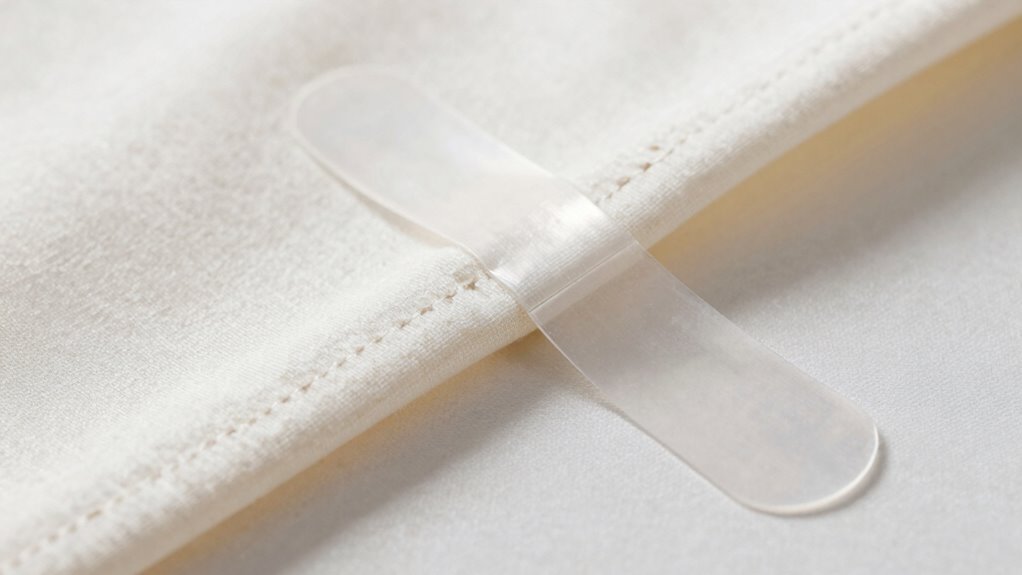
To stop stretch seams from growing overnight, you should use stay tape to reinforce and support your seams. Pick the right type for your fabric, and apply it carefully—sewing or fusing along the seam edge. Proper application helps prevent puckering and distortion while maintaining stretch. Regularly check and maintain your activewear to keep seams strong and long-lasting. Keep exploring for more tips on how stay tape can protect your activewear and extend its life.
Key Takeaways
- Use high-quality stay tape tailored for activewear fabrics to reinforce seams and prevent stretching overnight.
- Apply stay tape correctly by aligning it precisely along the seam and sewing with stretch stitches for durability.
- Avoid overstretching seams during wear and washing to reduce stress on the tape and fabric.
- Follow proper washing and drying practices, such as gentle cycles and air drying, to maintain seam integrity.
- Regularly inspect and repair seams promptly to prevent small issues from worsening and causing stretch.
Why Seams Stretch Overnight and How Stay Tape Prevents It
Have you ever noticed seams stretching or wrinkling after a night of wearing a garment? This happens because seams often lack the seam durability needed to withstand continuous tension and movement. When fabrics are not compatible with the seam construction, they can easily shift or stretch overnight, causing distortion. Fabric compatibility is essential—if the material is too stretchy or too stiff, seams won’t hold their shape well. Over time, this leads to puckering and loss of the garment’s fit. Stay tape helps prevent this by reinforcing seams and maintaining their integrity. It acts as an extra layer of support, ensuring seams stay smooth and durable throughout wear. Properly applied stay tape addresses both seam durability and fabric compatibility issues, keeping your clothes looking sharp. Additionally, understanding the fabric’s stretch recovery can help select the best reinforcement methods for long-lasting seams, especially when considering the fabric’s elastic properties for optimal support. Recognizing the fabric’s elastic behavior can further enhance seam stability and prevent unwanted stretching, especially when combined with techniques like fabric tension management during sewing. Incorporating knowledge of seam strength and how different fabrics respond to tension can also lead to more durable and professional results.
How to Pick the Best Stay Tape for Activewear
Choosing the right stay tape for activewear guarantees your garments stay sleek and durable through intense movement. To pick the best, consider these key factors:
Selecting the ideal stay tape ensures activewear remains sleek and durable during rigorous activity.
- Fabric types compatibility – verify the stay tape works well with your fabric, whether it’s spandex, nylon, or polyester. Ensuring compatibility prevents puckering or seam failure over time.
- Stay tape durability – choose tapes that can withstand frequent stretching without losing adhesion or tearing.
- Flexibility – select flexible tapes that move with your body without causing stiffness or discomfort.
- Ease of application – opt for stay tapes that are easy to sew or fuse, saving you time and effort during construction.
- AI-assisted selection – leverage AI tools to analyze product reviews and performance data, helping you choose the most effective stay tape for your needs. Additionally, understanding the material compatibility can prevent issues like puckering or seam failure over time. Ensuring the stay tape’s stretch resistance aligns with your activity level can extend the life of your activewear. Considering fabric stretchability can also improve the overall comfort and durability of your garments. Incorporating proper maintenance practices can also help preserve the stay tape’s effectiveness over the lifespan of your garments.
How to Apply Stay Tape for Seam Support
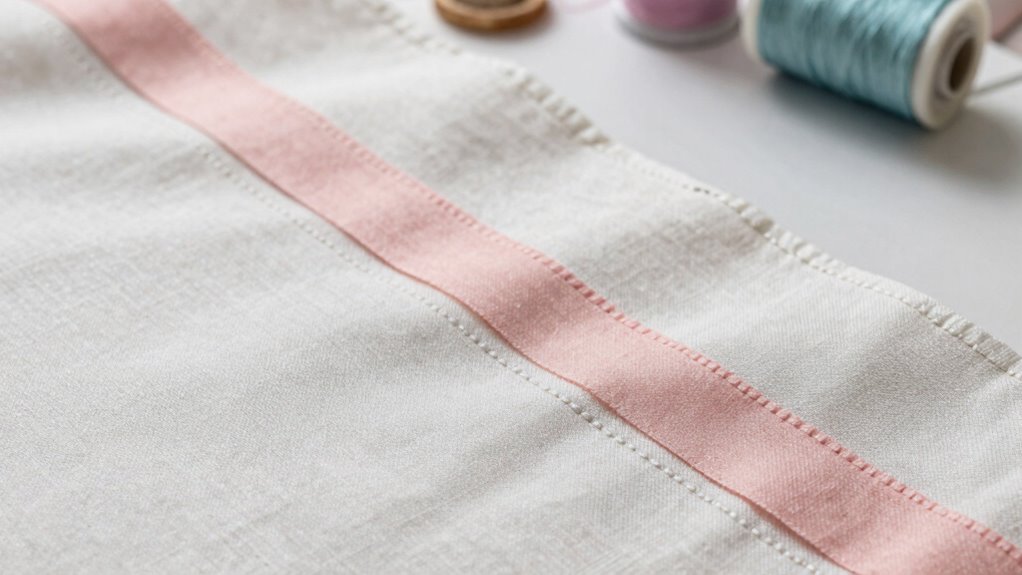
Wondering how to guarantee your seams stay strong and smooth during activewear construction? Applying stay tape properly is key for effective seam reinforcement and maintaining fabric compatibility. First, cut the tape slightly shorter than your seam to avoid puckering. Align the tape along the seam edge, then sew just over the tape using a zigzag or stretch stitch. Press the tape flat to ensure it adheres smoothly, avoiding wrinkles or bubbles. Ensuring proper fabric stretch compatibility is crucial for preventing seam distortion and maintaining comfort during wear. Using the correct adhesion techniques can significantly improve the durability of your seams over time. Proper tension adjustments in your sewing machine can also prevent puckering, leading to a cleaner finish and longer-lasting seams. When selecting stay tape, consider fabric elasticity to ensure it supports the fabric’s natural stretch. Use the following table to help select the right stay tape for your fabric:
| Fabric Type | Recommended Stay Tape |
|---|---|
| Lycra/Spandex | Stretch-compatible tape |
| Cotton/Polyester | Standard seam reinforcement tape |
| Nylon | Lightweight, flexible tape |
| Wool | Moderate elasticity tape |
| Blended fabrics | Match elasticity level |
This ensures ideal seam reinforcement and fabric compatibility for durable activewear. Proper application of stay tape also supports the integrity of connected equipment, enhancing your overall fitness experience.
Troubleshooting Common Stay Tape Problems
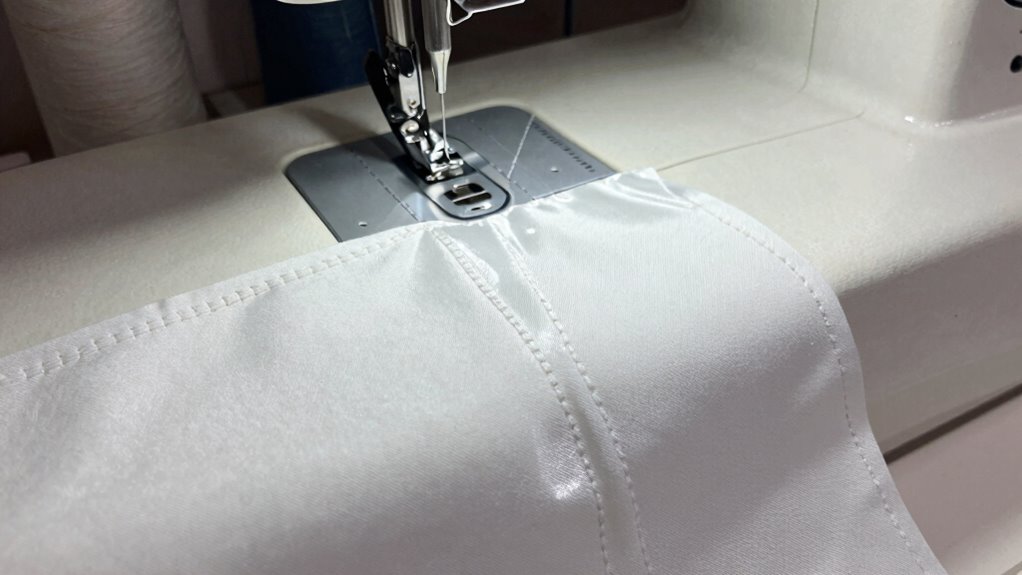
Even when you follow the proper techniques for applying stay tape, issues can still arise that compromise your seams’ strength and appearance. Fabric shrinkage after washing can cause stay tape to loosen or puckering. Incorrect sewing machine tension often leads to uneven stitches or skipped stitches, weakening the bond. Proper fabric preparation before application, such as pre-washing and pressing, can significantly improve adhesion and reduce problems. Here are common problems to troubleshoot:
Proper stay tape application prevents issues like puckering and loose seams, but fabric shrinkage and tension problems can still occur.
- Seam puckering – often caused by fabric shrinkage or tight tension. Using appropriate fabric types and pre-washing can help mitigate this issue.
- Stay tape peeling off – may result from improper adhesion or washing too soon.
- Seams growing overnight – usually due to fabric shrinkage or inadequate stay tape application. Ensuring proper adhesion techniques can help prevent this problem.
- Uneven stitches – caused by incorrect sewing machine tension settings.
Address these issues by adjusting tension, allowing fabric to settle, and ensuring proper application techniques. Additionally, understanding fabric properties can help you select the right stay tape and washing methods to prevent these problems.
Maintenance Tips to Keep Your Activewear Fitting Like New

To keep your activewear fitting like new, proper maintenance is essential. Start by paying attention to fabric types—synthetic blends like polyester and nylon require gentle washing, while natural fibers like cotton benefit from cooler water. Use the right washing techniques: turn your gear inside out, avoid fabric softeners, and opt for cold water to prevent stretching and fading. Always follow care label instructions to preserve elasticity and stay tape adhesion. Air-drying is best; avoid high heat in dryers, which can weaken fibers and cause seams to grow. Additionally, avoid overloading your washing machine to reduce friction. Regularly inspecting your activewear for signs of wear and promptly repairing small issues will extend its lifespan and keep it fitting snugly, time after time. Incorporating proper laundry routines can also help maintain fabric integrity and prevent seam growth over time. To further protect your gear, consider using gentle washing techniques that minimize stress on delicate seams and stays. Implementing fabric-specific care can also significantly prolong the life of your activewear, especially when combined with safe drying methods that avoid damaging heat. Being mindful of at-home maintenance practices will help you keep your activewear looking and fitting like new for longer.
Frequently Asked Questions
Can Stay Tape Be Removed Easily Without Damaging the Fabric?
Yes, you can remove stay tape easily without damaging the fabric. To do so, gently lift the edges and use a bit of warm, soapy water or an adhesive remover designed for fabrics to loosen the adhesive. Avoid pulling too hard, as this can cause fabric damage. Take your time, and you’ll be able to remove the stay tape cleanly and safely, preserving your garment’s integrity.
Is Stay Tape Suitable for All Types of Activewear Fabrics?
Stay tape isn’t suitable for all types of activewear fabrics because fabric compatibility varies, and some materials like delicate or textured fabrics may not adhere well. You should consider the adhesive strength needed for your specific fabric to guarantee it stays in place without damaging it. Always test on a small area first, and choose a stay tape designed for your fabric type to get the best results.
How Long Does Stay Tape Typically Last Before Needing Replacement?
If you’re worried about stay tape losing its grip, expect it to last around 3 to 6 months, depending on wear and washing. For example, Sarah used stay tape on her activewear, and after six months, she noticed some edges lifting. The durability lifespan and adhesive longevity vary with fabric and care, so check periodically. Replacing it guarantees your seams stay secure, especially during intense workouts.
Will Stay Tape Affect the Breathability of My Activewear?
Stay tape generally doesn’t substantially affect the fabric breathability or moisture control of your activewear when applied properly. It is designed to be lightweight and flexible, so you can move comfortably without feeling restricted. However, if the tape covers large areas or is applied too tightly, it might slightly reduce airflow and moisture escape. To maintain ideal breathability, choose a breathable stay tape and apply it carefully, avoiding over-tightening.
Can Stay Tape Be Reused After Washing or Does It Lose Adhesion?
Stay tape generally loses adhesion durability after washing, so it’s not recommended to reuse it. Washing effects, like water and detergent, weaken the adhesive, causing it to peel or come off. If you want a longer-lasting fix, consider replacing the stay tape with new strips after washing. Always follow manufacturer instructions to maintain the tape’s effectiveness and guarantee your activewear stays in place.
Conclusion
Next time you slip into your activewear, imagine the stay tape working silently like a guardian angel, preventing those pesky seams from stretching overnight. Just like how your favorite pair of leggings stays snug after a wash, proper application keeps your seams in check. With a little care and the right tape, your workout gear stays fitting perfectly, almost as if it’s made just for you—seamless and ready for your next move.