Pressing between construction steps helps guarantee each layer is dense and stable, which is essential for the structure’s durability. It removes air pockets, controls moisture, and creates a firm base for the next layer. This process prevents cracks, shifting, and future repairs, saving you time and money. By properly compacting each stage, you improve overall quality and strength. Keep exploring how this simple step can make a big difference in your construction projects.

Get business pricing on tools and workshop supplies
- Business-only prices and quantity discounts
- Tax-exempt purchasing
- Multiple users, one account, clear invoices
Key Takeaways
- Ensures each layer is stable and properly compacted, preventing future settling or cracking.
- Removes excess moisture for enhanced material strength and long-term durability.
- Detects and addresses issues early, reducing errors and costly repairs.
- Improves overall construction efficiency by reducing rework and delays.
- Reinforces foundation integrity, increasing the longevity and load-bearing capacity of structures.
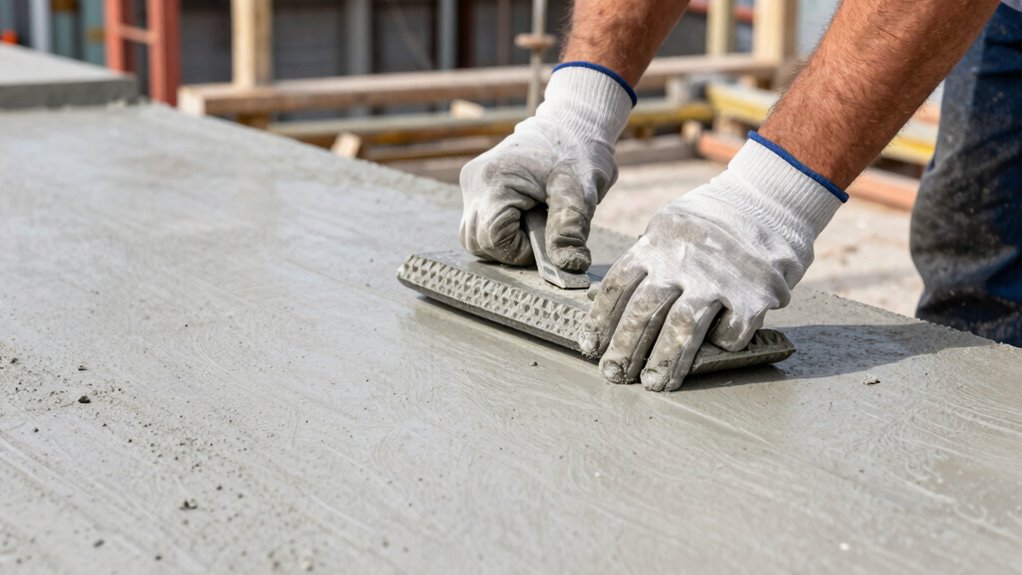
Have you ever wondered why construction projects sometimes face delays or quality issues? One key reason is that the process isn’t always as methodical as it should be. When you press between steps, you’re essentially giving each stage the attention it needs to guarantee the next one builds on a solid foundation. This approach greatly improves overall quality by reducing the chances of structural problems later on. For example, proper material compaction is vital because it eliminates air pockets and increases the stability of the substrate. When you press after laying a layer of soil or aggregate, you guarantee it’s densely packed, which minimizes settling or shifting down the line. This not only strengthens the structure but also prevents future cracks or uneven surfaces, saving you time and money on repairs. Additionally, compactness plays a crucial role in enhancing the overall durability of the construction. Achieving consistent compaction often requires precise control of equipment and techniques, which further underscores the importance of pressing between steps.
Pressing between construction steps ensures a solid foundation, reducing future cracks and structural issues.
Moisture control is another essential aspect that benefits from pressing between construction steps. When you press and compact materials, you also help remove excess moisture or evenly distribute it throughout the material. This is especially important with materials like soil, gravel, or concrete, where moisture content can drastically influence strength and durability. Too much moisture leads to weak spots or even failure, but pressing helps you achieve the ideal moisture level for each material. By controlling moisture early in the process, you prevent issues like swelling, shrinking, or mold growth, which could compromise the entire project later on.
Pressing between steps isn’t just about making the work easier; it’s about guaranteeing each layer is properly prepared for the next. When you compact and press, you create a stable, uniform base that can support heavier loads and withstand environmental pressures. This is particularly important for foundations, pavements, and other load-bearing elements. It also helps you detect potential problems early—if a layer isn’t compressing as expected, it’s a sign you need to adjust your approach before moving forward. Proper layer preparation ensures the longevity of the structure and reduces the likelihood of costly repairs.
Furthermore, pressing between steps enhances the overall efficiency of the construction process. When each layer is well-compacted and moisture levels are controlled, you reduce the need for rework or corrections later on. This keeps your project on schedule and within budget. Overall, incorporating deliberate pressing between steps guarantees higher quality, longer-lasting structures, and fewer surprises down the line. It’s a simple yet powerful technique that makes a substantial difference in the integrity and durability of your construction work.
As an affiliate, we earn on qualifying purchases.
Frequently Asked Questions
How Does Pressing Between Steps Reduce Construction Time?
Pressing between steps speeds up construction by optimizing timing and improving process efficiency. When you press after each step, you reduce delays caused by waiting for materials to set or cure. This continuous workflow minimizes downtime, allowing you to move swiftly from one phase to the next. As a result, overall project completion time decreases, and productivity increases, making the entire construction process more streamlined and effective.
What Tools Are Needed for Effective Pressing Between Steps?
To press effectively between steps, you need tools like a hydraulic press or manual pressing devices, which should be properly calibrated to guarantee consistent pressure. Before pressing, perform surface preparation by cleaning and smoothing surfaces for ideal contact. Regular tool calibration guarantees precise force application, while thorough surface prep prevents imperfections, resulting in better adhesion and stronger construction quality. Proper tools and preparation are key to successful pressing.
Can Pressing Between Steps Prevent Future Structural Issues?
Yes, pressing between steps can prevent future structural issues by enhancing the structural integrity of your construction. When you press correctly, you guarantee materials are properly compacted and bonded, which strengthens the overall structure. This practice also boosts long-term durability, reducing the risk of cracks or shifts over time. By focusing on proper pressing techniques, you’re actively contributing to a safer, more resilient build that lasts for years.
How Do Different Materials Respond to Pressing During Construction?
Different materials respond uniquely to pressing techniques, affecting material deformation. For example, clay easily molds under pressure, allowing for precise shaping, while concrete requires specific pressing methods to prevent cracking. Wood may deform if pressed too forcefully, risking structural integrity. You should adjust your pressing techniques based on the material’s properties, ensuring proper pressure application to optimize strength and minimize damage, resulting in a durable, high-quality structure.
Is Pressing Between Steps Suitable for All Construction Types?
Pressing between steps isn’t suitable for all construction types, especially when considering construction site safety and project budget management. You need to assess the materials used and the specific project requirements to determine if pressing is appropriate. While it can enhance quality in some cases, improper use might cause safety hazards or escalate costs. Always evaluate each project’s unique needs before deciding whether pressing between steps will benefit your construction process.
Conclusion
Think of each step as a foundation stone; pressing between them is like sealing that stone tightly, preventing cracks from forming. When you take that extra moment to press, you’re not just smoothing surfaces—you’re anchoring your work, ensuring stability and strength for what’s to come. Like a gardener gently pressing soil, your careful attention nurtures a sturdy, lasting structure. Remember, small presses today build the grandest arches tomorrow.
Fall Picks
fall essentials
As an affiliate, we earn on qualifying purchases.