Sewing outdoor gear with technical fabrics means adjusting your techniques to handle specialized materials like waterproof membranes and breathable textiles. You need to manage fabric stretch carefully and use precise sewing methods to prevent puckering and maintain waterproof integrity. Proper handling guarantees your gear remains durable, flexible, and weatherproof. If you keep exploring, you’ll discover key tips to elevate your craftsmanship and fully harness the potential of these advanced fabrics.

Get tools and workshop supplies delivered free — and shop member deals
- Fast, free delivery on millions of items
- Access to Prime Big Deal Days deals on October 6–7
- Prime Video, Amazon Music and more included
Key Takeaways
- Sewing with technical fabrics requires precise techniques to maintain waterproof and breathable properties.
- Proper handling and tension management prevent puckering and preserve fabric integrity.
- Seams often need specialized sealing or taping to ensure water resistance.
- Fabric choice influences flexibility, weight, and overall performance of the finished gear.
- Skilled craftsmanship enhances gear durability, functionality, and customization options for outdoor use.
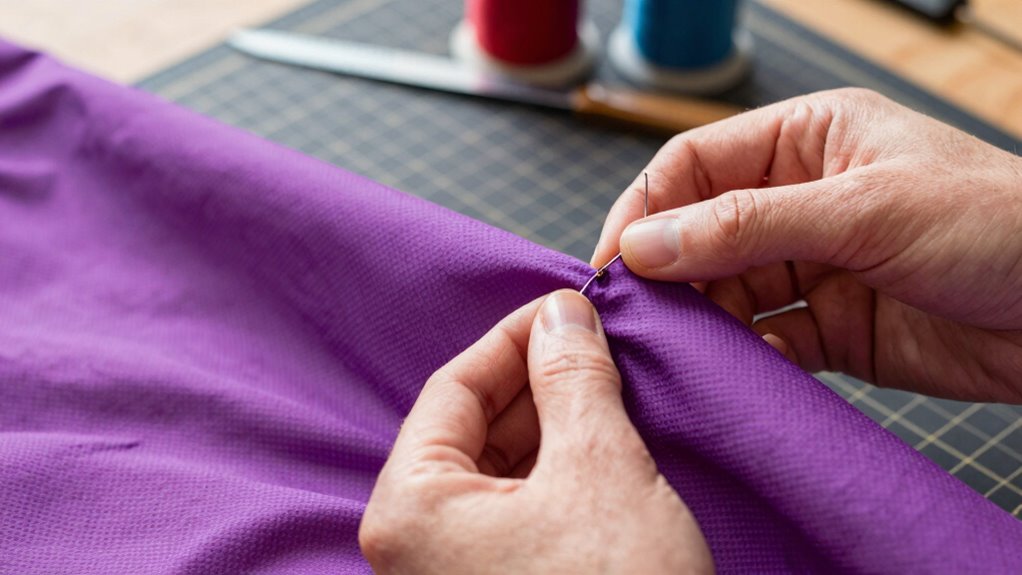
Have you ever wondered how makers are pushing the boundaries of creativity with advanced materials? It’s all about understanding how technical fabrics transform outdoor gear from simple covers into highly functional, durable equipment. When you start sewing with these fabrics, you’ll notice how the right combination of waterproof membranes and breathable textiles makes a significant difference. Waterproof membranes act as a barrier against rain and snow, ensuring your gear keeps moisture out while still allowing sweat to escape. This balance prevents you from feeling clammy inside your jacket or tent, which is essential during intense outdoor activities. Breathable textiles, on the other hand, are designed to wick moisture away from your body, promoting ventilation and keeping you comfortable over long periods. When you sew outdoor gear with these fabrics, you’re effectively creating equipment that adapts to changing conditions, offering both protection and comfort.
Using waterproof membranes isn’t just about adding a layer of water resistance; it involves selecting materials that are lightweight yet highly effective at blocking moisture. You’ll find that modern waterproof membranes are flexible, so they don’t compromise your sewing project’s comfort or mobility. When integrated properly into your design, they provide a reliable shield against the elements without adding bulk. Meanwhile, breathable textiles are engineered to allow vapor transfer, which means sweat and heat can escape, preventing overheating and moisture buildup inside the gear. This feature is especially important for active outdoor pursuits like hiking, climbing, or skiing, where body temperature regulation becomes crucial. Understanding how these fabrics interact is key to creating gear that performs exceptionally well in real-world environments.
Modern waterproof membranes are lightweight, flexible, and effective, ensuring comfort and protection without added bulk.
When you combine waterproof membranes with breathable textiles in your sewing projects, you craft gear that balances protection with ventilation. This synergy lets you create jackets, tents, or backpacks that withstand harsh weather while keeping the user dry and comfortable. It’s a game-changer for makers who want to push the limits of traditional outdoor gear. These advanced fabrics also open up opportunities for customization, allowing you to tailor the gear to specific conditions or user needs. You’ll find that sewing with technical fabrics demands precise techniques, but the end result is gear that performs exceptionally well in real-world environments. Additionally, understanding fabric handling techniques is crucial to ensure the durability and effectiveness of your finished project.
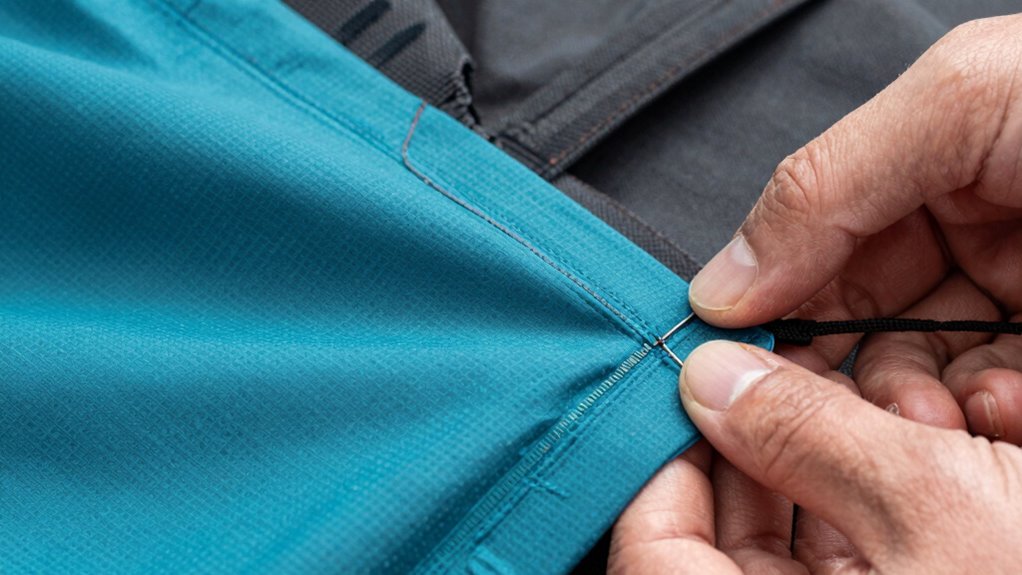
Working with technical fabrics also requires understanding how to properly handle and sew these materials, which can differ significantly from traditional textiles. Properly managing fabric stretch and tension during sewing can prevent puckering and ensure a smooth finish, which is vital for maintaining waterproof integrity. Ultimately, working with waterproof membranes and breathable textiles elevates your craftsmanship. It transforms your projects from basic covers into reliable, high-performance outdoor equipment. Whether you’re designing for extreme weather or just seeking everyday comfort, understanding how these fabrics interact is key to creating gear that truly stands out. As a maker, you get to innovate, blending function with design to meet the demands of outdoor adventurers everywhere.
As an affiliate, we earn on qualifying purchases.
Frequently Asked Questions
How Do Technical Fabrics Affect Sewing Machine Settings?
When sewing technical fabrics, you need to adjust your sewing machine tension to prevent puckering or skipped stitches, as these fabrics can be thick or slippery. Choose a sharp needle, like a microtex or denim needle, to pierce the tough material cleanly. These adjustments help guarantee strong, even seams, and prevent damage to your fabric, making your outdoor gear durable and professional-looking.
Are Technical Fabrics Eco-Friendly or Sustainable?
Of course, technical fabrics are all about saving the planet—said no one ever. But if you’re eco-conscious, you’ll be pleased to know many use eco-conscious fibers and are crafted through sustainable manufacturing. These fabrics aim to reduce environmental impact, making your outdoor gear not just functional but also kind to Mother Earth. So, yes, some technical fabrics are turning green, even if they still make your sewing machine groan!
Can I Use Regular Sewing Patterns With Technical Fabrics?
You can use regular sewing patterns with technical fabrics, but you need to take into account pattern compatibility and fabric versatility. Technical fabrics often require adjustments because their stretch, weight, and texture differ from standard fabrics. Check for pattern modifications, like seam allowances or special linings. With some tweaks, your existing patterns become versatile tools, allowing you to craft outdoor gear that’s both functional and stylish without needing entirely new patterns.
How Do I Care for and Clean Technical Outdoor Fabrics?
You should follow specific care instructions for technical outdoor fabrics to maintain their waterproof coatings and breathability features. Generally, you’ll want to wash them with cold water and a gentle detergent, avoiding fabric softeners and bleach, which can damage the coatings. Always air dry or tumble dry on low heat. Reapplying waterproof treatments periodically helps preserve the fabric’s water resistance, ensuring your gear stays effective and comfortable.
What Safety Precautions Should I Take When Working With These Fabrics?
When working with technical outdoor fabrics, you should always practice proper handling and wear protective gear like gloves and masks. For example, if you cut or sew the fabric, airborne fibers or chemicals might pose health risks. To stay safe, handle fabrics carefully, avoid inhaling dust, and use gloves to prevent skin irritation. These precautions help protect you while ensuring your outdoor gear is safely and effectively made.
Conclusion
As you explore the world of technical fabrics, you open a subtle shift in your sewing journey—like discovering a hidden pathway in a familiar forest. These fabrics gently encourage your creativity to flourish, offering new possibilities for outdoor gear that’s both functional and enjoyable to make. Embrace the nuances they bring, and you’ll find your projects not only perform better but also feel more rewarding. Happy sewing, and may your outdoor creations inspire many adventures ahead.
Halloween Picks
halloween
As an affiliate, we earn on qualifying purchases.