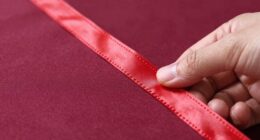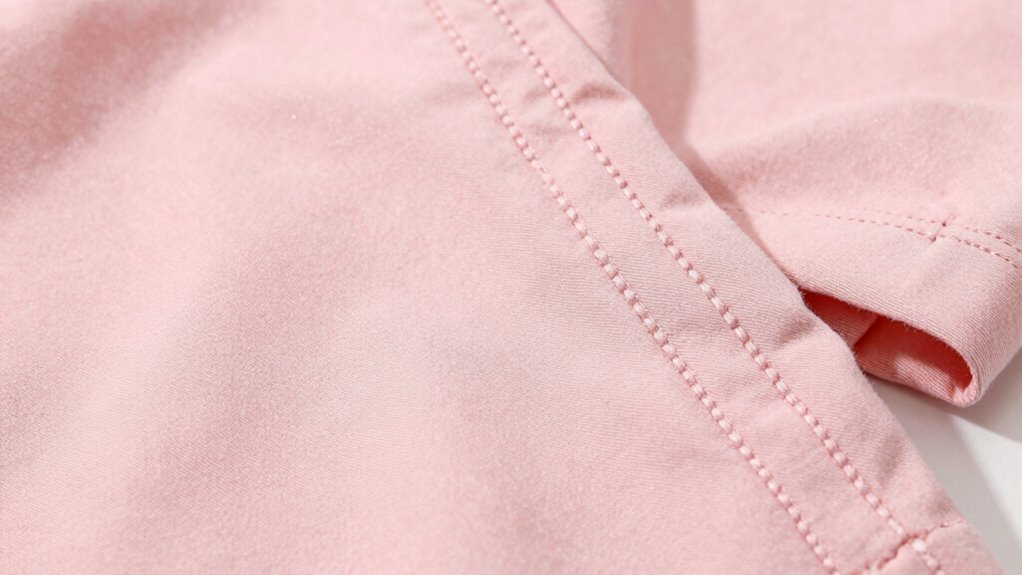

A top cover stitch is a simple technique that gives your casual garments a professional, polished look. It works best on stable fabrics like denim, jersey, and cotton knits, adding a clean finish to hems, edges, and seams. You can also add decorative touches with contrasting threads or double rows. By adjusting your machine’s settings and practicing on scrap fabric, you’ll soon master this versatile stitch. Keep exploring to learn more tips and tricks!

Get tools and workshop supplies delivered free — and shop member deals
- Fast, free delivery on millions of items
- Access to Prime Big Deal Days deals on October 6–7
- Prime Video, Amazon Music and more included
Key Takeaways
- The top cover stitch creates a clean, professional finish ideal for casual hems and edges with minimal effort.
- It works best on stable, medium-weight fabrics like denim and cotton knits for smooth, consistent results.
- Using contrasting threads or double rows adds decorative, stylish touches to casual garments.
- Adjust machine settings like stitch length, width, and tension to suit different fabrics and achieve a polished look.
- Practice on scrap fabric to master tension and technique for neat, durable casual clothing finishes.
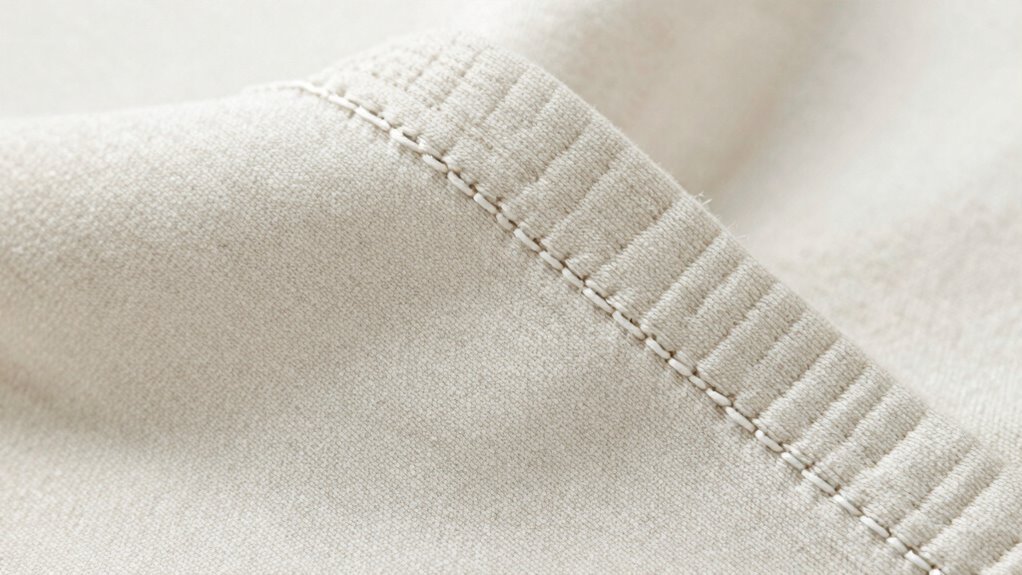
Are you looking for a clean, professional finish for your casual sewing projects? If so, understanding the top cover stitch can really elevate your work. This stitch is a versatile tool, perfect for creating neat hems, finishing edges, and adding subtle embellishment techniques that make your garments look polished without needing complex techniques. Since you’re focused on casual clothes, the key is to keep things simple but effective, and the cover stitch delivers just that. It’s especially valuable when you want a professional look without the fuss of more advanced sewing methods.
Achieve a polished, professional look effortlessly with the versatile top cover stitch for casual sewing projects.
To get the most out of the cover stitch, start by considering your fabric selection. Not all fabrics respond equally well to this stitch, so choose those that are stable and medium-weight, like denim, jersey, or cotton knits. These fabrics hold the stitch well and give a smooth, consistent finish. Lightweight or stretchy fabrics might require a bit more care, but with the right settings and techniques, you can still achieve great results. The fabric selection directly impacts how your cover stitch will look and perform, so choose wisely depending on your project’s purpose. Additionally, understanding the sewing machine features that support cover stitching can help you fine-tune your work for optimal results.
Embellishment techniques are another aspect where the cover stitch shines. While its primary purpose is finishing seams, it can also serve decorative functions. For example, you can use contrasting thread colors to add a pop of color along hems or seams, giving your casual outfits a personalized touch. Double rows of cover stitches can create textured effects or mimic topstitching, which is common in jeans or sporty wear. These embellishments are subtle but add a professional flair that makes your garments stand out, even if you’re going for a relaxed, casual style. Additionally, practicing machine tension adjustments can help you achieve the most polished look for your stitches. Remember, consistent tension is key to achieving a uniform appearance.
Getting comfortable with the cover stitch involves understanding your machine’s settings and practicing on scrap fabric first. Adjust the stitch length and width according to your fabric and desired look. For example, a narrower stitch works well on lightweight fabrics, while a wider stitch can give a more substantial finish on thicker materials. Practice will help you develop an eye for tension and stitch consistency, ensuring your finished project looks neat and uniform. Don’t rush; with a little patience, you’ll find that the cover stitch becomes an invaluable part of your casual sewing toolkit.
As an affiliate, we earn on qualifying purchases.
Frequently Asked Questions
Can I Use a Cover Stitch Machine for Quilting Projects?
Yes, you can use a cover stitch machine for quilting projects, especially for adding embellishment techniques and finishing edges. It’s great for sewing fabric layering together securely and creating professional-looking decorative stitches on quilt tops. However, keep in mind that cover stitch machines are primarily designed for stretch fabrics and lighter layers, so for heavy quilting, a sewing or quilting machine might give you more control and durability.
What Fabrics Are Best Suited for Cover Stitching?
Think of fabric choices for cover stitching like selecting the right dance partner—you want flexibility and grace. You should opt for fabrics with good stretchability, such as knits or jersey, as they move smoothly under the stitch. Avoid thick fabrics like denim or canvas, which can be stiff and challenging to sew with a cover stitch. Lightweight, stretchy fabrics work best, allowing the stitch to glide effortlessly and look professional.
How Do I Troubleshoot if the Stitches Are Skipping?
To troubleshoot skipping stitches, first check your thread tension adjustments—loose tension can cause skips. Next, review your needle positioning techniques; confirm the needle is properly aligned and not bent. Also, verify you’re using the correct needle size and type for your fabric. Sometimes, rethreading the machine or changing the needle helps. These steps help keep your stitches even and prevent skipped stitches during your sewing projects.
Is a Cover Stitch Machine Suitable for Beginners?
A cover stitch machine can be suitable for beginners if you start with simple projects and learn basic functions. You’ll want to pay attention to thread tension and stitch width to get even, professional-looking seams. Although it might seem complicated initially, many models are user-friendly and come with clear instructions. Practice on scrap fabric first, and you’ll gradually become comfortable handling the machine for casual clothes and hems.
Can I Perform Decorative Stitches With a Cover Stitch Machine?
You can absolutely perform decorative stitches with a cover stitch machine, and it’s a delightful coincidence that these machines offer a surprising stitch variety. With some practice, you’ll create beautiful decorative patterns that elevate your casual clothes. The versatility of your cover stitch machine opens up new creative possibilities, allowing you to add unique touches to your projects. Embrace the chance to explore decorative stitches and make your sewing truly stand out.
Conclusion
Now that you understand the basics of cover stitch for casual sewing, you’re ready to give it a try! Don’t worry if your first attempt isn’t perfect—think of it like a friendly handshake with your fabric. Picture a double row of neat, stretchy stitching along your hem or neckline, adding both durability and a professional look. Keep practicing, and soon your casual clothes will have that polished, homemade touch you’ll love.
Fall Picks
fall essentials
As an affiliate, we earn on qualifying purchases.