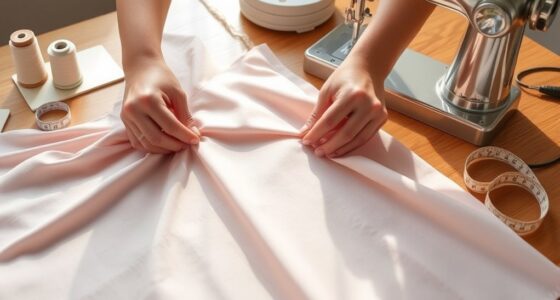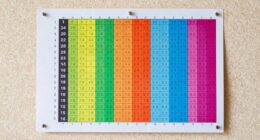
To measure yourself for patterns accurately, use a flexible, non-elastic tape and stand straight. Measure key areas like bust, waist, and hips snugly but not tight, keeping the tape level and at the correct points. Record each measurement carefully and double-check for consistency. Avoid measuring over bulky clothing and re-measure if you notice discrepancies. Proper measurements help you pick the right pattern size—stick with me to learn more about perfect fitting.
Key Takeaways
- Use a flexible, snug measuring tape and keep it level and horizontal for accurate body measurements.
- Measure key areas—bust, waist, hips, back length, and shoulder width—over fitted, unbulky clothing or directly on skin.
- Cross-check each measurement by taking it twice in different positions to ensure consistency.
- Compare your measurements to pattern size charts and choose the closest match, making adjustments as needed.
- Re-measure if pattern pieces do not match your measurements, checking for errors or fabric distortions.
Why Accurate Body Measurements Matter for Sewing
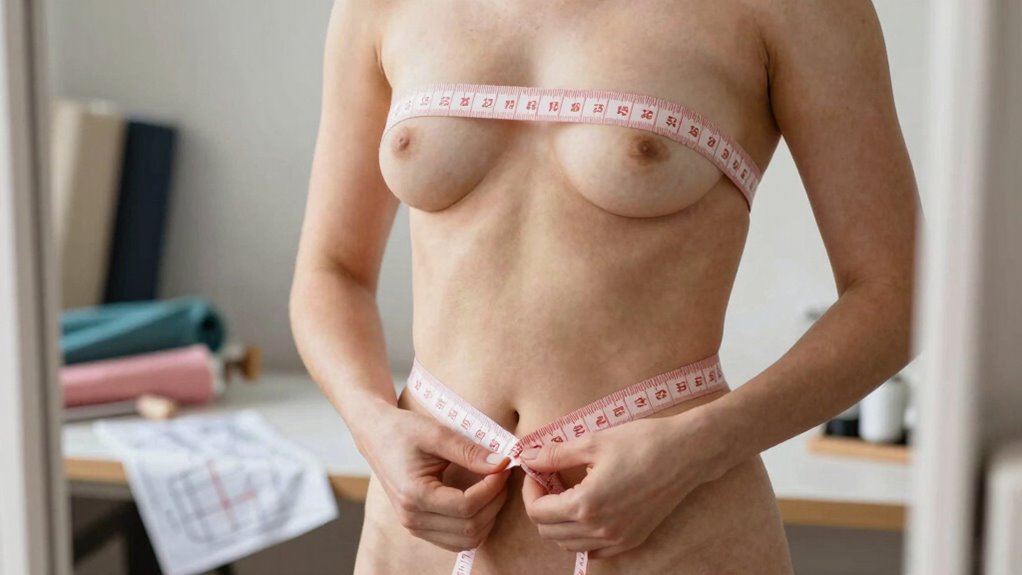
Accurate body measurements are vital for creating well-fitting sewing patterns because they guarantee your finished garment fits comfortably and looks professional. When you know your exact measurements, you can select the right fabric—choosing a material that complements your size and drape preferences. This ensures the final piece feels good to wear and maintains its shape. Additionally, precise measurements help you plan for proper seam allowances and pattern adjustments. Proper sewing machine maintenance is also essential; a well-maintained machine produces even stitches, preventing fit issues caused by uneven seams or puckering. Recognizing the importance of fabric selection and its impact on fit and drape can further enhance your sewing success. Understanding body proportion measurements allows for more accurate pattern adjustments tailored to your unique shape. Taking accurate measurements is the foundation for achieving a perfect fit, leading to garments that feel comfortable and look polished. Overall, taking accurate measurements combined with good fabric choices and a reliable machine results in sewing success, giving you garments that fit perfectly and look polished.
What Tools You Need to Measure Yourself Correctly

To measure yourself correctly, you’ll need a few essential tools that guarantee accuracy and consistency. The right measuring tools help you identify key body landmarks precisely. A flexible measuring tape is your primary tool—choose one that’s sturdy yet pliable. Keep a mirror nearby to ensure the tape stays level and snug without being tight. Additionally, having a notepad and pen allows you to record measurements immediately. Here’s a quick overview:
| Tool | Purpose | Tip |
|---|---|---|
| Flexible tape | Measuring body landmarks | Use it snug but not tight |
| Mirror | Checking tape placement | Keep it at eye level |
| Notepad & pen | Recording measurements | Write down immediately |
Using precise measurements aligns with innovative cloud solutions, emphasizing the importance of accuracy in achieving optimal results. Ensuring consistent measurement techniques can help prevent sizing errors that lead to ill-fitting garments, which is crucial for proper fitting patterns. Incorporating accurate measurement methods can significantly improve fitting outcomes.
How to Measure Your Bust, Waist, and Hips for Pattern Fit
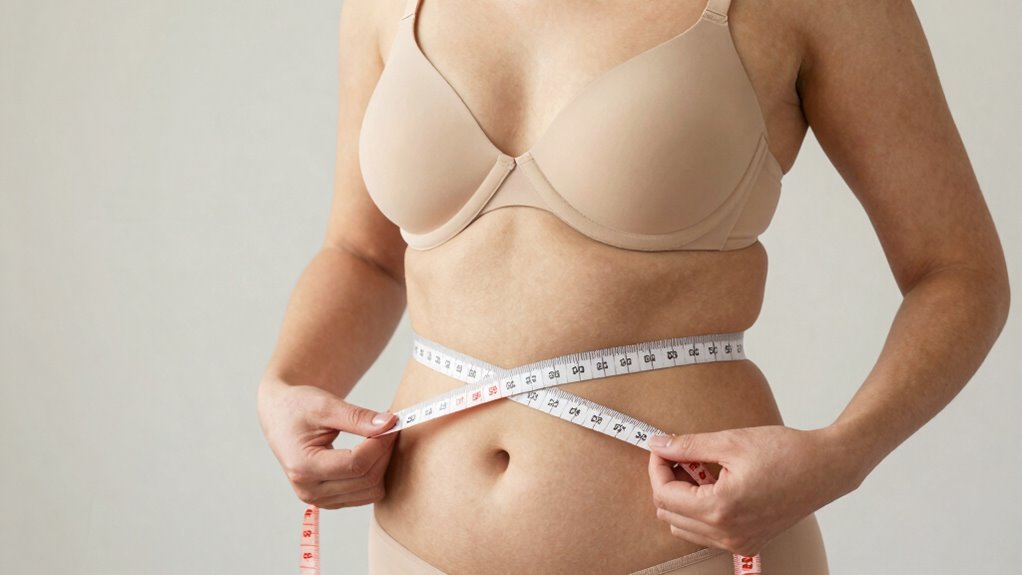
Getting accurate measurements is vital for a perfect fit, so make sure you follow proper techniques. Watch out for common mistakes like measuring too tightly or loosely, which can throw off your results. By paying close attention, you’ll ensure your pattern fits just right.
Accurate Measurement Techniques
Measuring yourself correctly is essential for creating well-fitting patterns, and doing it precisely can make all the difference. Use a flexible measuring tape, keep it snug but not tight, and stand straight. Ensure your fabric selection is suitable for accurate measurements, avoiding bulky or stretchy fabrics. Take measurements at the fullest part of your bust, waist, and hips, keeping the tape level. Double-check your measurements for consistency. Proper sewing machine maintenance ensures your stitches stay even, helping you sew accurately based on your measurements. Record each measurement carefully, noting the exact points to avoid confusion later. For clarity, review the table below:
| Body Part | Measurement Point | Tips | Notes |
|---|---|---|---|
| Bust | Fullest part | Keep tape level and snug | Use a well-fitted bra |
| Waist | Narrowest point | Stand straight, tape parallel | Avoid holding breath |
| Hips | Widest part | Keep tape horizontal | Measure over undergarments |
Additionally, understanding body proportions helps achieve better fitting patterns by tailoring measurements to individual shapes. Knowing how to accurately measure each area will lead to more consistent and professional results in your sewing projects. Developing an awareness of body shape analysis can further optimize pattern adjustments for a perfect fit. Becoming familiar with pattern fitting techniques can also greatly improve your sewing success. Paying attention to measurement accuracy can significantly impact your overall sewing experience and results.
Common Mistakes to Avoid
Even with the right tools and techniques, it’s easy to make common mistakes that affect your pattern fit. One mistake is choosing the wrong fabric selection, which can distort your measurements once sewn. Make sure to pick fabrics with stable, predictable drape, and avoid overly stretch or flimsy materials. Another error is rushing through measuring without double-checking your numbers or being consistent with your measuring tape placement. Additionally, neglecting sewing machine maintenance can lead to uneven stitches that distort your fabric, impacting fit. Always ensure your machine is properly maintained and tension is correct. Finally, avoid measuring over bulky clothing or accessories—these can give false readings. Taking accurate measurements and paying attention to your fabric choice and piercing care can also help prevent distortion and ensure the best pattern fit. Incorporating proper measuring techniques and verifying your measurements regularly can further improve your accuracy. Remember, developing measurement consistency is key to achieving reliable results every time.
How to Record and Interpret Your Measurements for Sewing Patterns
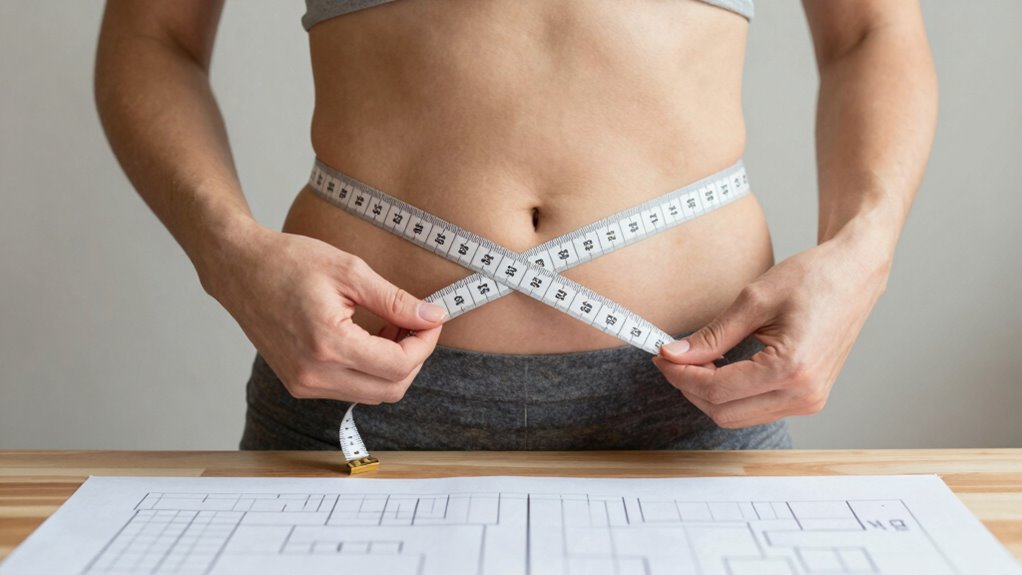
To accurately record your measurements, it’s essential to keep clear and consistent notes. Use a dedicated notebook or digital document to track each measurement, noting the exact spot and whether you’re measuring over clothing or bare skin. When interpreting your measurements, compare them with the pattern’s size chart, paying attention to the ease and fit you want. Remember, fabric selection influences final size, so choose fabrics that match your pattern’s recommendations. Also, keep your sewing machine well-maintained; smooth stitching ensures your pattern pieces stay true to measurements. Record measurements in inches or centimeters, whichever you prefer, and double-check for accuracy. Clear, consistent notes help you make informed decisions, reducing guesswork and ensuring your finished garment fits just right. Additionally, understanding the best garage door openers can be a helpful skill if you want to upgrade your home security system. Paying attention to measurement techniques, such as how to take accurate bust, waist, and hip measurements, will further improve your sewing results. Proper data recording methods ensure you maintain reliable measurement records for future projects. Incorporating a systematic approach to your recording process can minimize errors and streamline your sewing workflow.
How to Adjust Pattern Sizes Based on Your Measurements

Start by identifying your key measurements and comparing them to the pattern sizes. This helps you see where adjustments are needed for a better fit. Then, make precise changes to the pattern to match your measurements accurately. Paying attention to pattern fitting techniques ensures a more professional and comfortable result. Additionally, understanding body shape considerations can guide you in customizing the pattern for optimal comfort and style. Recognizing passive voice detection can also improve your overall clarity and precision in pattern instructions. Incorporating measurement accuracy practices can further enhance the fit and reduce the need for multiple adjustments. Being aware of pattern alteration methods can help you make effective modifications to achieve the perfect fit.
Identify Key Measurements
Knowing your key measurements is essential for accurately adjusting pattern sizes to fit your body. These measurements guide you in choosing the right size and ensuring a professional finish. To get started, focus on these four critical points:
- Bust, waist, and hip measurements for overall fit.
- Shoulder width to ensure proper garment drape.
- Back length to match your torso.
- Armhole and sleeve measurements for comfort and mobility.
Keep your fabric selection in mind, as some fabrics may require slight size adjustments. Also, maintaining your sewing machine ensures precise stitches, which affects how well your pattern adjustments translate into the final piece. By identifying these key measurements, you’ll confidently adapt patterns to your body, avoiding guesswork and ensuring a perfect fit every time. Understanding how body measurements influence pattern grading can further refine your fit adjustments.
Compare to Pattern Sizes
When comparing your measurements to pattern sizes, it’s important to remember that patterns often differ from ready-to-wear sizing charts. Pattern drafting varies between brands and styles, so don’t assume your measurements directly match a pattern size. Instead, use your key measurements as a guide to select the closest pattern size. Consider how your fabric selection might affect fit—stiff or stretchy fabrics can change how a pattern fits, so adjustments may be needed. If your measurements fall between sizes, decide whether to grade up or down based on the garment’s intended fit. Always check the pattern’s size chart and notes, and be prepared to make small adjustments during fitting to achieve the best result.
Make Precise Adjustments
To make precise adjustments to your pattern based on your measurements, begin by comparing your key measurements—such as bust, waist, and hips—to the pattern’s size chart. Once you identify needed changes, consider these steps:
- Adjust for fabric selection: Thicker fabrics may require larger seam allowances, while lightweight fabrics need precise fitting.
- Modify the pattern accordingly: Use pattern paper and a ruler to add or subtract width at key points like the bust or hips.
- Use sewing techniques like dart manipulation: Fine-tune fit by adjusting darts or seam lines for better shaping.
- Test with muslin: Sew a test garment to evaluate fit and make small tweaks before cutting your final fabric.
- Be aware of pattern grading techniques: These methods help you smoothly adjust pattern sizes to better match your measurements, leading to a more accurate fit.
These steps ensure your fit is accurate, and your sewing techniques result in a professional-looking garment.
Common Measuring Mistakes and How to Avoid Them
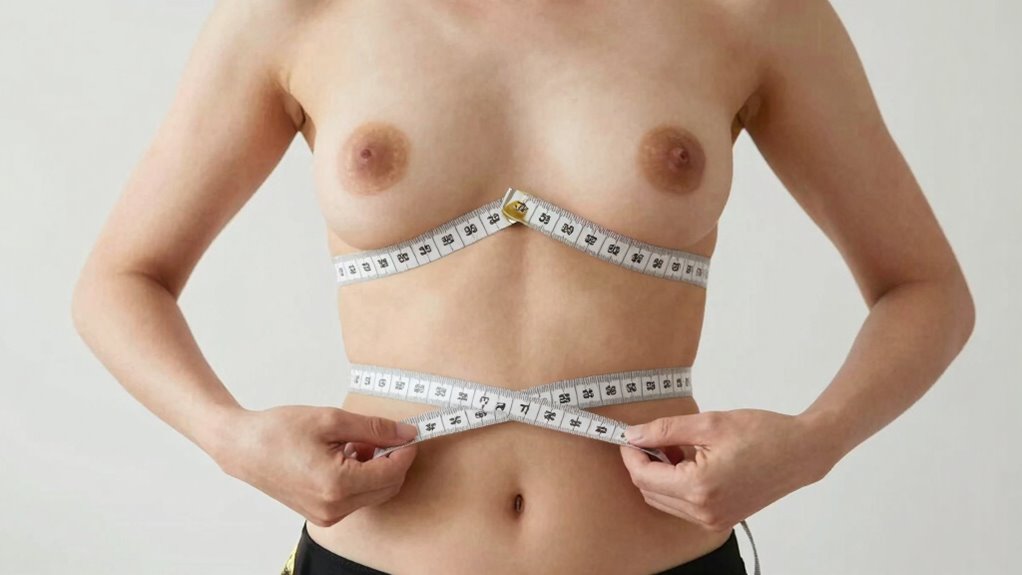
Are you making common mistakes when measuring yourself for patterns? One mistake is rushing through the process, leading to inaccurate measurements. Confirm your fabric selection is appropriate, as some fabrics stretch or shrink, affecting your measurements. Additionally, neglecting sewing machine maintenance can cause inconsistent stitching, which impacts the fit of your finished garment. Always double-check your measurements with a flexible tape measure and keep it snug but not tight. Avoid pulling the tape too tight or leaving it too loose, as both result in incorrect sizing. Also, don’t measure over bulky clothing or accessories—these can distort your true measurements. Taking your time and paying attention to details helps prevent errors that could lead to ill-fitting patterns and wasted fabric.
Tips for Double-Checking Your Measurements and Maintaining Accuracy
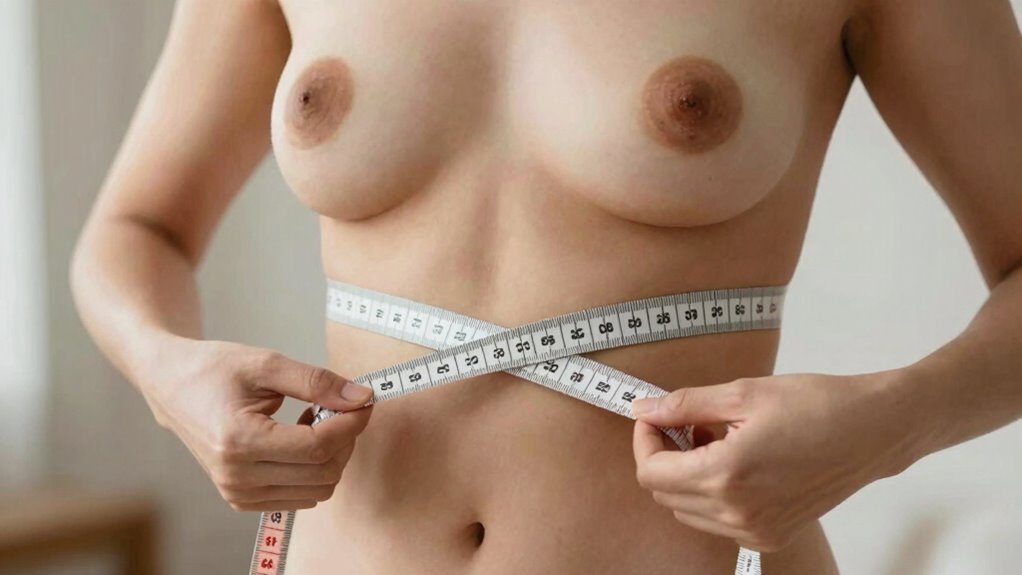
Double-checking your measurements is essential to guarantee your pattern fits perfectly. To maintain accuracy, consider these tips:
- Always measure on the same fabric type, accounting for fabric stretch, which affects fit.
- Use a flexible, non-elastic measuring tape, ensuring it stays snug but not tight.
- Cross-check key measurements, like bust and waist, by measuring twice in different positions.
- When pattern grading, verify that your measurements align with the pattern’s size range, especially for fabric stretch and drape.
- Keep in mind that Youngster Choice tips can help you stay consistent with measurements and avoid sizing errors.
Troubleshooting Inconsistent Measurements and Pattern Fit Issues
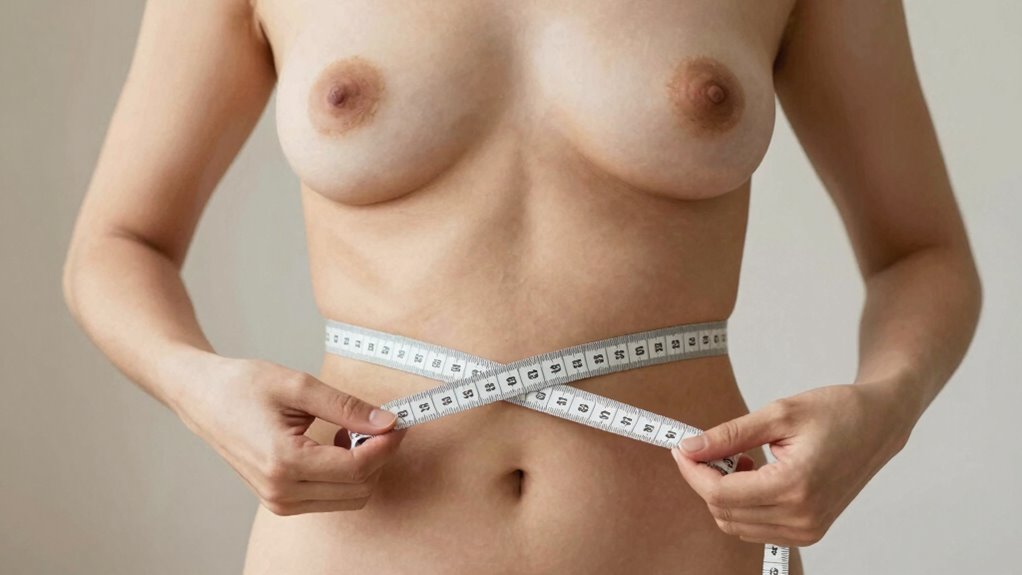
Inconsistent measurements often stem from small errors during the measuring process or changes in fabric handling, which can lead to fitting issues. To troubleshoot, double-check your measurements with a flexible tape and ensure you’re not pulling tight or leaving slack. Fabric choice plays a role—stretchy or slippery fabrics can cause measurement shifts, so select stable, non-stretch textiles for better consistency. Also, maintain your sewing machine properly; a well-maintained machine stitches evenly, preventing irregular seams that affect fit. When pattern pieces don’t match your measurements, re-measure and compare with the pattern’s instructions. Taking these steps helps identify whether measurement errors, fabric behavior, or sewing machine issues are causing fit problems, allowing you to adjust your approach and achieve more consistent, accurate results.
Frequently Asked Questions
How Often Should I Re-Measure Myself Before Sewing a New Project?
You should re-measure yourself before starting each new project, especially if some time has passed or your body has changed. Use reliable measurement tools like a flexible tape measure for accuracy. It’s best to check your measurements every few months or if you notice weight fluctuations. Accurate measurement frequency guarantees your pattern fits well, preventing sewing frustration and ensuring a perfect fit every time.
Can I Use My Clothing Size Instead of Body Measurements?
You can try using your clothing size instead of measurements, but don’t be surprised if the sizing chart accuracy leaves you puzzled. Clothing sizes vary wildly across brands, making them unreliable for pattern fitting. Sizing charts are often inconsistent, so relying solely on your usual size may lead to ill-fitting projects. To get perfect results, it’s smarter to trust your body measurements—they’re the true key to a flawless fit.
What’s the Best Way to Measure for Plus-Size or Petite Patterns?
To measure for plus-size or petite patterns, focus on size consistency by taking precise body measurements like bust, waist, and hips. Use a flexible ruler and keep it snug but not tight. Remember, pattern adjustments are often necessary to guarantee a perfect fit, especially for different body shapes. Always compare your measurements to the pattern’s sizing chart and make minor tweaks for comfort and style.
How Do I Measure Myself if I Don’T Have Someone to Help?
Think of measuring yourself solo as sailing a ship alone—you’re the captain steering through unfamiliar waters. Use self-measurement tools like a flexible tape measure, a mirror, and a notebook. Follow measurement tips such as standing straight, keeping the tape snug but not tight, and recording multiple readings. With patience and precision, you’ll navigate your measurements confidently, ensuring your pattern fits perfectly even without extra help.
Should I Measure Over Undergarments or Bare Skin for Accuracy?
You should measure over your undergarments for accuracy, especially if you plan to wear the finished garment with similar layers. Choose lightweight, well-fitting fabric to avoid distortion. Make certain your measurements are snug but not tight. This helps with precise pattern adjustments and ensures your final fit matches your body’s true size. Avoid bulky clothing, as it can give you inaccurate measurements, leading to fitting issues later.
Conclusion
Getting your measurements right is like finding the hidden key to perfect sewing fit. When you pay close attention and double-check, you gently guide your patterns to hug your curves just right. Remember, small adjustments can make a big difference. Embrace the process with patience, and you’ll discover that every stitch brings you closer to garments that feel truly yours. Trust your measurements—they’re your secret to sewing success.