
To make a small drawstring bag, start by selecting lightweight, sturdy fabric like cotton or canvas, then pre-wash it to prevent shrinking. Cut two rectangles for the body and strips for drawstrings. Sew side seams, finish raw edges, and create a casing at the top by folding and stitching the edge, leaving small openings for the drawstrings. Insert the drawstrings, reinforce stress points, and add decorative touches to personalize your bag. Keep following for detailed steps and tips to perfect your project.

Get business pricing on tools and workshop supplies
- Business-only prices and quantity discounts
- Tax-exempt purchasing
- Multiple users, one account, clear invoices
Key Takeaways
- Select lightweight fabrics like cotton or canvas, pre-wash, and cut two rectangular pieces for the bag body and strips for drawstrings.
- Sew side seams with a straight stitch, finish raw edges with zigzag or serger, and fold the top edge inward to create the casing.
- Sew the casing’s edges, leaving small openings on each side for the drawstrings, and insert drawstrings using a safety pin or bodkin.
- Reinforce stress points, press seams neatly, and add decorative elements to personalize the small drawstring bag.
- Ensure even seams and secure finishing for a durable, stylish bag suitable for everyday use or gifts.
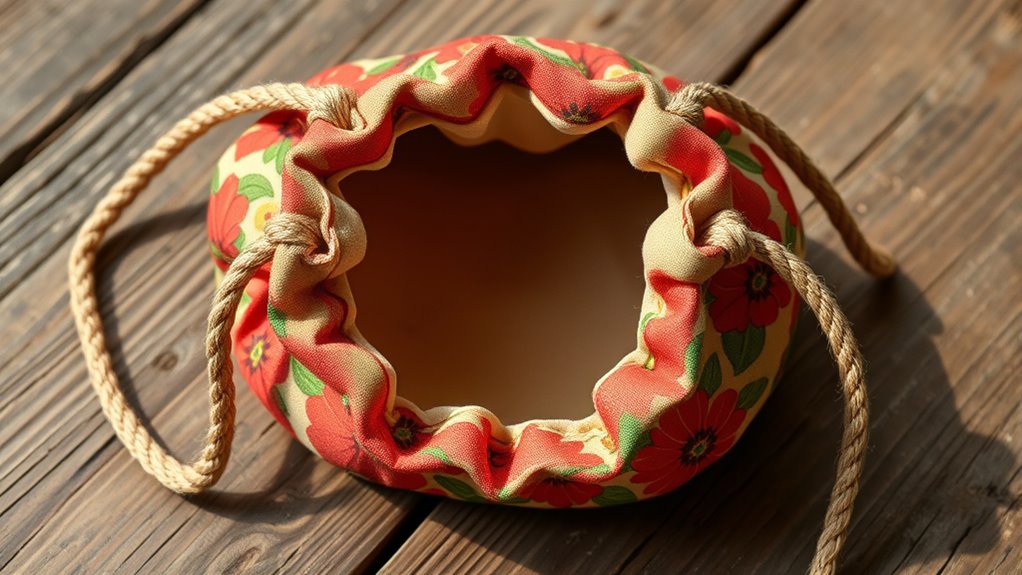
Looking to create a simple yet stylish bag? A drawstring bag is perfect for beginners and offers plenty of room for customization. The first step is choosing the right fabric. Your fabric selection will set the tone for your bag’s look and durability. For a lightweight, casual feel, go with cotton or canvas. If you want something more luxe, consider silk or velvet. Think about how heavy or structured you want your bag to be and choose fabrics accordingly. Once you’ve picked your fabric, check that it’s sturdy enough for a drawstring bag but also easy to sew. Pre-wash your fabric to prevent shrinking later, and iron out any wrinkles to ensure smooth sewing. When selecting your fabric, also consider its tensile strength to ensure it can withstand regular use without tearing.
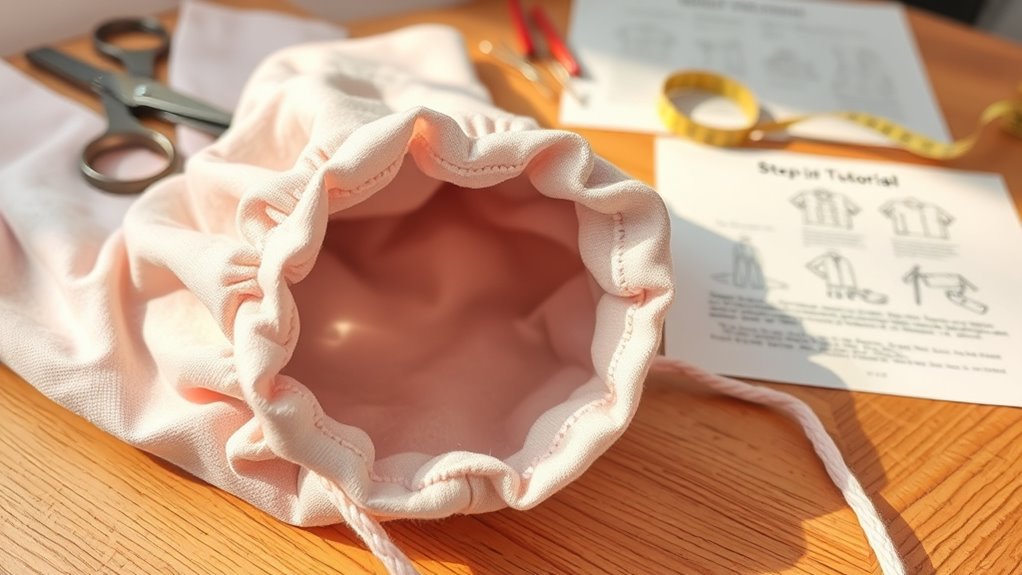
When it comes to sewing techniques, precision is key. Start by cutting your fabric pieces—usually two rectangles for the body and smaller strips for the drawstrings. To sew these pieces together, use a straight stitch and set your sewing machine to a medium stitch length. Sew the side seams first, leaving the top open for the drawstring casing. To create a professional finish, consider zigzag stitching or using a serger along the raw edges to prevent fraying. When sewing the casing for the drawstrings, fold the top edge inward about half an inch, then fold again to enclose the raw edge. Sew close to the edge, leaving small openings at each side to thread the drawstrings through later. Using a safety pin or bodkin, insert the drawstrings through these casings. Be patient and work slowly to ensure the drawstrings slide smoothly through the casing.
Throughout the process, pay attention to seam allowances and ensure seams are even. Reinforce stress points, like the corners and where the drawstrings exit, to improve durability. Press your seams as you go to keep everything tidy and flat. When attaching the drawstrings, pull them gently to evenly distribute the fabric around the casing. Finish by adding any decorative touches, like appliqués, embroidery, or contrasting fabrics for the casing. Your fabric choice combined with careful sewing techniques will give you a sturdy, attractive drawstring bag. With some patience and attention to detail, you’ll end up with a small, functional, and stylish bag that’s perfect for everyday use or as a thoughtful handmade gift.
As an affiliate, we earn on qualifying purchases.
Frequently Asked Questions
What Type of Fabric Is Best for a Drawstring Bag?
You should choose durable fabrics like canvas, nylon, or denim for your drawstring bag. Fabric selection is vital because it impacts the bag’s durability and how well it holds up over time. Opt for sturdy materials that resist wear and tear, especially if you’ll carry heavier items. Consider water-resistant options if you want extra protection. Ultimately, selecting the right fabric guarantees your bag stays functional and looks great longer.
How Long Does It Take to Complete This Project?
You can complete this drawstring bag project in about 2 to 4 hours, depending on your sewing skills and fabric selection. If you choose simple, lightweight fabrics and stick to basic sewing techniques, it’ll go faster. Take your time with more detailed fabrics or complex techniques, and the project may take longer. Planning ahead and organizing your materials will help you finish efficiently and enjoy the creative process.
Can I Customize the Size of the Bag?
Yes, you can customize the size of your drawstring bag through size adjustment and pattern customization. Simply alter the pattern dimensions to make it larger or smaller, depending on your needs. Adjust the length and width of the fabric before cutting, and modify the pattern pieces accordingly. This way, you can create a personalized bag that fits your style and storage requirements perfectly.
What Tools Are Essential for This Tutorial?
Imagine wielding your tools like a painter with a brush. You’ll need a sewing machine, scissors, pins, and a measuring tape to craft your bag. Pay attention to sewing machine tips for smooth stitches. For fabric selection, choose sturdy, lightweight fabrics that glide easily through your machine. These essential tools and tips help you bring your vision to life, turning fabric into a charming, functional drawstring bag.
How Do I Add a Lining to the Bag?
To add a lining, choose a fabric that complements your pocket design and suits your fabric selection. Cut the lining pieces to match your bag’s dimensions, then sew the sides together. Attach the lining to the bag’s top edge, right sides facing, and sew around the opening. Turn the bag right side out, and press the top edges for a clean finish. This process enhances durability and aesthetic appeal.
Conclusion
Now that you’ve completed your drawstring bag, you’ve created something as satisfying as a puzzle piece fitting perfectly. With just a few simple steps, you’ve turned fabric into a functional, stylish accessory. Keep experimenting with different fabrics and designs to make your bags more unique. Remember, each stitch is a step toward mastering your craft. So, wear your newfound skills proudly—like a badge of creativity—and enjoy your beautifully handmade bag!
Fall yard work Picks
leaf blowers
As an affiliate, we earn on qualifying purchases.