To test colorfastness before prewashing, select a hidden fabric area like inside a hem. Dampen it with water, then press a white cloth firmly against it to check for color transfer. Alternatively, submerge the fabric in cold water for 15-30 minutes and observe any dye bleeding into the water. For more reliable results, use a commercial colorfastness kit or test with mild detergent. If you keep exploring, you’ll find even more helpful tips.

Get business pricing on tools and workshop supplies
- Business-only prices and quantity discounts
- Tax-exempt purchasing
- Multiple users, one account, clear invoices
Key Takeaways
- Test a hidden fabric area with a damp white cloth to check for color transfer.
- Submerge fabric in cold water for 15-30 minutes and observe water color for dye leakage.
- Use a commercial colorfastness testing kit for more accurate results.
- Wash fabrics separately or with similar shades initially to prevent dye bleeding.
- Always test at the intended washing temperature to ensure accurate assessment.
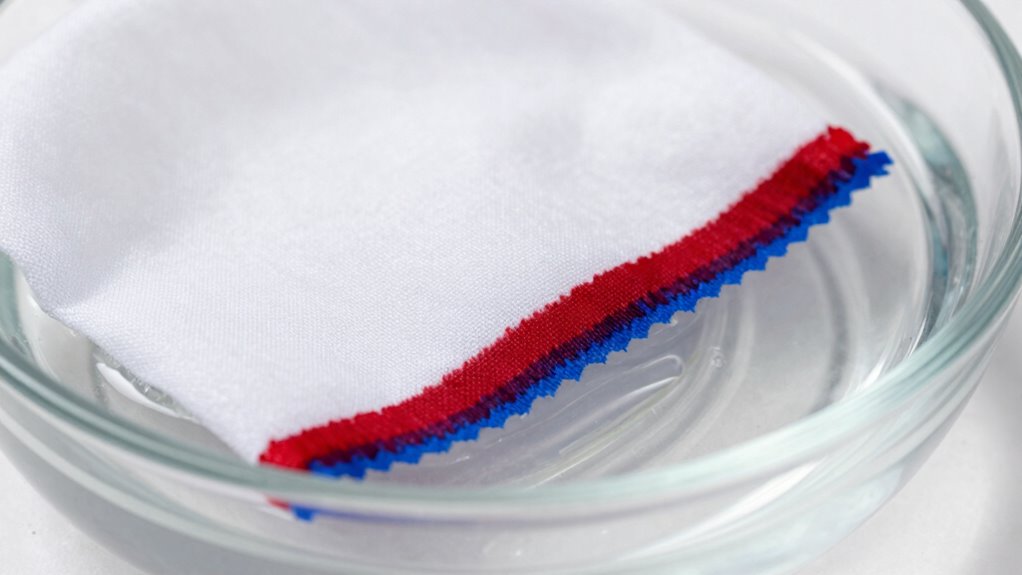
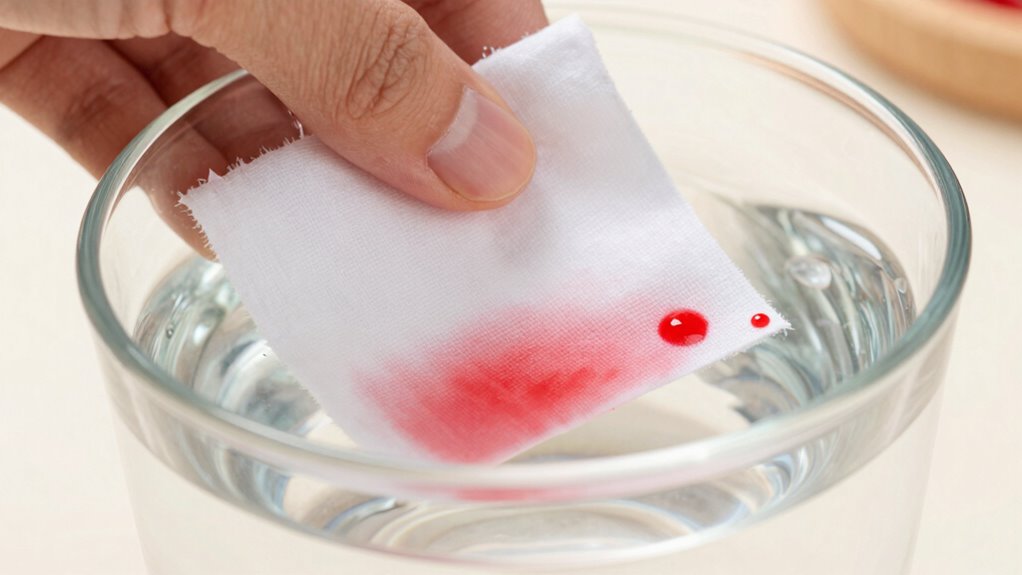
Ever wondered how to guarantee your fabric won’t bleed or fade during washing? This process helps you identify potential issues like dye migration and fabric bleeding, saving you from ruined clothes or stained garments. To start, gather a small, hidden section of the fabric—an inside seam or hem works best—and dampen it with water using a clean cloth or sponge. Then, press a white cloth or paper towel firmly against the dampened area. If any color transfers onto the white cloth, it’s a sign that your fabric isn’t colorfast. This simple test detects dye migration, which occurs when excess dye leaches out during washing, leading to fabric bleeding.
Test fabric with a white cloth before washing to prevent dye bleeding and preserve vibrant colors.
Another way to check involves a more thorough approach: submerge a small piece of the fabric in cold water for about 15-30 minutes. After soaking, remove it carefully and observe the water. If the water turns a noticeable color, it indicates that dye migration is happening, and the fabric is likely to bleed during regular washing. If the water remains clear, your fabric probably has good colorfastness. Keep in mind, some dyes are more prone to bleeding in warm or hot water, so always test with water at the temperature you plan to wash the fabric. Understanding the fabric composition can also help you anticipate how dyes will behave during washing, as different materials react differently.
If you’re uncertain or want extra assurance, perform the test with a mild detergent or a commercial colorfastness testing kit. These kits include special dyes that mimic washing conditions and help you assess how your fabric will react over time. Remember, some fabrics, like denim or brightly colored textiles, are more susceptible to dye migration. For these, it’s wise to wash them separately or with similar shades at first, to prevent accidental dye transfer to other garments. Additionally, proper fabric care practices can extend the lifespan of your clothing and help maintain its color integrity over time.
Understanding fabric bleeding and dye migration is vital because it directly impacts your clothing’s longevity and appearance. By testing before prewashing, you avoid surprises like color transfer or fading, which can ruin your favorite pieces. Additionally, fabric care practices can influence how dyes behave during washing, so knowing your fabric type can guide your testing and washing choices. Taking these simple steps ensures you’re aware of your fabric’s behavior and helps you choose the best washing method. Whether you decide to wash your fabric by hand or machine, knowing its colorfastness allows you to preserve its vibrancy and avoid costly mistakes. So, before you prewash, test your fabric thoroughly—it’s a small effort that makes a big difference in maintaining your clothes’ color integrity.
colorfastness testing kit for fabrics
As an affiliate, we earn on qualifying purchases.
As an affiliate, we earn on qualifying purchases.
Frequently Asked Questions
Can Colorfastness Vary Between Different Fabric Types?
Yes, colorfastness can vary between fabric types because different fabrics absorb and hold fabric dye differently. Natural fibers like cotton and silk tend to have better color retention, while synthetics like polyester might bleed or fade more easily. To guarantee your fabric maintains its color, test for colorfastness first. This helps you avoid surprises during washing and preserves the fabric’s vibrant appearance over time.
How Often Should I Test for Colorfastness?
You should test for colorfastness whenever you buy new fabric, especially if it has vibrant or dark fabric dyes. Conduct a test before each wash to check for color bleeding. Regular testing helps you catch issues early, preventing color bleeding from ruining other clothes. If you notice any dye transfer, wash the fabric separately or treat it to preserve its color and protect your wardrobe.
What Tools Are Best for Testing Colorfastness?
Think of testing tools as your detective’s kit in uncovering dye transfer and fabric fading issues. You’ll want a white cloth or cotton swab to gently press against the fabric, checking for color transfer. Additionally, pH test strips help identify dye stability. These tools are simple yet effective in revealing if your fabric will hold its vibrant hue through washing, ensuring your prewashing process keeps colors bold and fade-free.
Does Washing With Detergent Affect Colorfastness?
Washing with detergent can affect colorfastness by causing dye migration, which leads to fading and color bleeding. Detergents contain chemicals that can loosen dyes, especially if the fabric isn’t colorfast. To protect your clothes’ fading resistance, use gentle, color-safe detergents and wash in cold water. Always test for colorfastness beforehand, and consider handwashing or using a gentle cycle to minimize dye migration and preserve vibrant colors.
Can Environmental Factors Impact Colorfastness Over Time?
Environmental factors like sunlight, humidity, and pollution can impact colorfastness over time. You should consider environmental exposure when caring for your fabrics, as prolonged sun exposure can cause fading, and high humidity may weaken dyes. To enhance fading prevention, store fabrics in cool, dark places and avoid direct sunlight. Regularly inspecting and protecting your textiles helps maintain their vibrant colors and extends their lifespan.
Conclusion
By testing for colorfastness, you protect your fabric, preserve its vibrancy, and prevent unwanted surprises. By testing for colorfastness, you guarantee your prewashing process is safe, effective, and confident. By testing for colorfastness, you take control of your laundry, safeguard your clothing, and enjoy peace of mind. Remember, a simple test today can save you from costly mistakes tomorrow—so always test for colorfastness before prewashing your fabric.
Halloween Picks
halloween
As an affiliate, we earn on qualifying purchases.