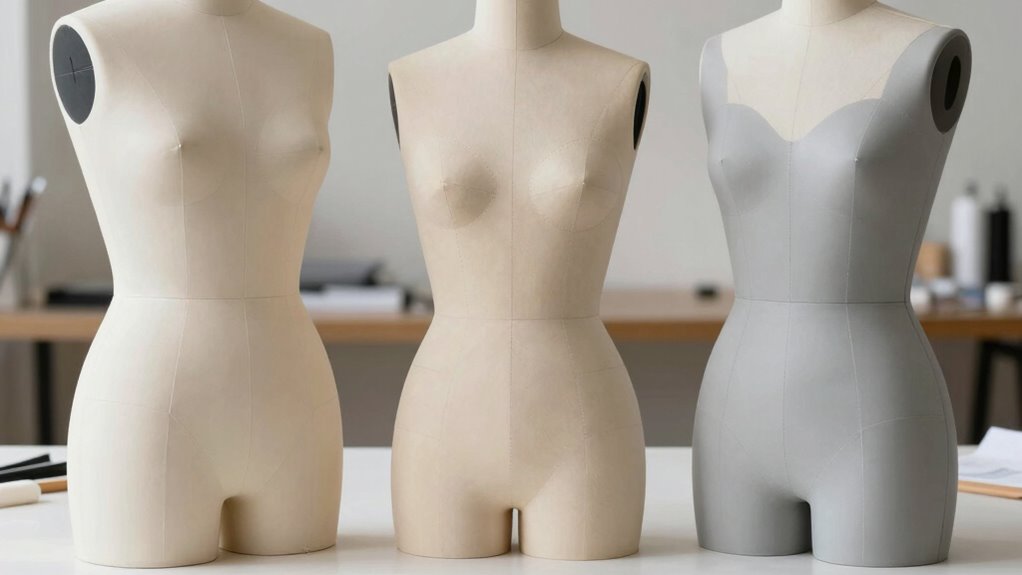
To choose a dress form that matches your sewing style, consider the fabrics you work with—light fabrics need smooth, pin-friendly surfaces, while heavier fabrics require sturdy forms. Look for adjustable features that let you customize measurements for different projects or body types, and opt for quality, durable materials that suit your frequent tasks. Matching the form’s flexibility and surface to your sewing habits makes your work easier and results more professional. Keep exploring how these tips can help you find the perfect fit.

Get business pricing on tools and workshop supplies
- Business-only prices and quantity discounts
- Tax-exempt purchasing
- Multiple users, one account, clear invoices
Key Takeaways
- Match the dress form’s surface material to your fabric type for easier pinning and marking.
- Choose adjustable forms to accommodate your body measurements and sewing projects.
- Select durable, high-quality materials for stability and longevity, especially for frequent use.
- Consider the form’s functionality, such as height adjustment and precise sizing options, for complex garments.
- Ensure the form’s features align with your sewing style and typical projects for better fit and efficiency.
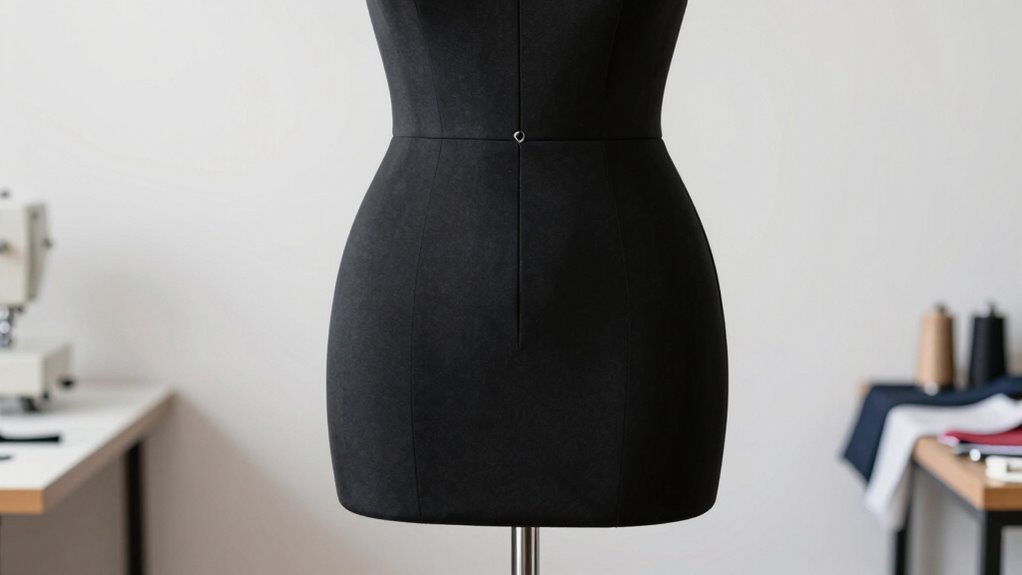
Selecting the right dress form is a crucial step in creating well-fitting garments, whether you’re a professional designer or a home sewist. The key is to find a form that closely matches your body shape and sewing style, guaranteeing your projects turn out exactly as you envision. One of the first considerations is understanding the fabric types you’ll be working with, as this influences the choice of dress form. For example, if you mainly sew lightweight fabrics like chiffon or silk, you might prefer a form with a smooth surface that allows for easy pinning and marking. On the other hand, if your projects involve heavy or textured fabrics like denim or wool, a sturdier, more durable form will help you handle the bulk without compromising accuracy. Additionally, consider the fabric types you work with most often, as this will guide you toward the appropriate surface material of the form to ensure ease of use. It’s also helpful to think about how the fabric surface impacts pinning and marking, especially for intricate design details. Adjustable features are another essential aspect to contemplate. Many dress forms come with adjustable components that allow you to modify the bust, waist, and hip measurements. If your body size fluctuates or if you sew for different body types, these features give you the flexibility to tailor the form precisely to your needs. For home sewists, an adjustable dress form can be a cost-effective choice, saving you from purchasing multiple fixed-size forms. Professional designers often prefer models with more refined adjustments, sometimes even with removable padding or customizable surfaces, to mimic the exact contours of a client’s body. When selecting a dress form, think about how you plan to use it. If you’re working on complex fitted garments, you want a form that can be fine-tuned to mirror specific body measurements. For simpler projects or display purposes, a basic adjustable form may suffice. Material quality also plays a role; foam-filled forms are lightweight and easy to maneuver, but they might not hold pins as well as metal or fiberglass models, which tend to be more stable and durable for detailed fitting. Considering the adjustability features can also help you determine how often you might need to modify the form as your body or projects change. It’s worth noting that some forms include height adjustment features, which can be particularly beneficial for working on different sewing stations or achieving optimal ergonomics. Ultimately, matching your sewing style with the features of the dress form helps streamline your process and improves the fit of your finished garments. Focus on the fabric types you frequently work with and guarantee the form’s adjustable features align with your needs. By selecting a form tailored to your specific sewing habits, you’ll create better-fitting, professional-looking pieces with greater ease.
Popular right now

De'Longhi Linea Classic Espresso Machine with Adjustable Milk Frother

Breville Bambino Espresso Machine, Brushed Stainless Steel

KitchenAid Classic Series 4.5 Quart Tilt-Head Stand Mixer K45SS, Onyx Black
As an affiliate, we earn on qualifying purchases.
Frequently Asked Questions
Can I Use a Dress Form for Sewing Different Sizes?
Yes, you can use a dress form for sewing different sizes, especially if it offers size flexibility. Look for adjustable dress forms that let you change measurements easily. Material options matter too—foam or duct-tape dress forms can be customized to multiple sizes, making them versatile for different projects. Keep in mind, adjustable forms may not be as precise as fixed sizes, but they’re great for experimenting with multiple sizes.
Are Adjustable Dress Forms Suitable for Professional Use?
Yes, adjustable dress forms are suitable for professional use because they allow you to easily modify fabric selection and fit for different clients or projects. They also offer flexible storage solutions, keeping your workspace organized. You can quickly adapt the form to various measurements, saving time and effort. Just make certain the adjustable features are sturdy and precise so your sewing remains accurate, no matter the size or style you’re working on.
How Do I Maintain and Clean My Dress Form?
Think of your dress form as a delicate garden that needs nurturing. To maintain it, regularly wipe the surface with a damp cloth and use gentle cleaning methods to avoid damage. Protect the fabric by covering it when not in use and avoid harsh chemicals. Keep it dust-free and store it in a cool, dry place. Proper fabric protection and careful cleaning guarantee your dress form stays in prime shape for your sewing projects.
What Materials Are Best for a Durable Dress Form?
For a durable dress form, opt for materials offering excellent fabric durability and material flexibility. Heavy-duty fiberglass or molded plastic provide strength and longevity, resisting wear over time. Foam-filled forms with a sturdy outer shell also work well, offering flexibility for pinning and adjustments. These materials withstand frequent use, maintain their shape, and are easy to clean, ensuring your dress form remains reliable through continuous sewing projects.
Can a Dress Form Be Customized to My Unique Body Shape?
Yes, you can customize a dress form to match your unique body shape through custom body shaping. Many dress forms allow you to adjust measurements or add padding for a precise fit. When selecting a dress form, consider fabric compatibility, ensuring the material can handle alterations or coverings you plan to use. Customization helps you sew with confidence, knowing your dress form accurately reflects your body’s contours.
Conclusion
So, you’ve finally picked your perfect dress form—congratulations! Now, go forth and sew like a pro, or at least look the part while pretending to. Remember, if your form doesn’t match your style, you’re just a person with a fancy mannequin. But hey, who needs fit when you’ve got attitude? Just don’t forget to keep your form updated—after all, fashion—and your skills—are always a work in progress. Happy sewing!