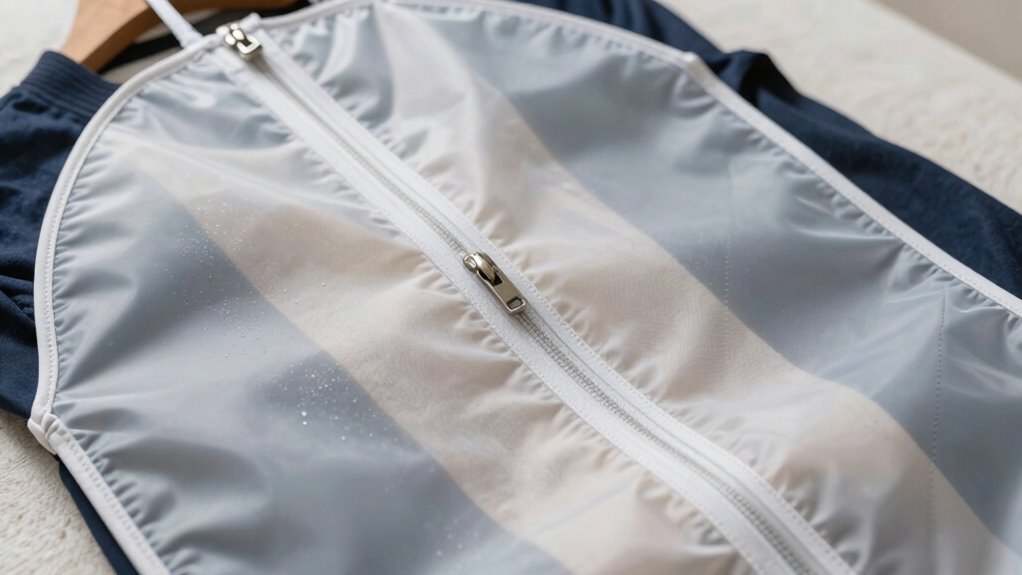

Garment bags protect your handmade clothes by shielding them from dirt, moisture, and damage during travel or storage. However, if you choose bags made from non-breathable materials or don’t allow proper ventilation, they can trap moisture, leading to mold and mildew growth. Opt for breathable fabrics like cotton or mesh to keep air flowing and prevent dampness. To discover how to maximize protection and avoid trapping moisture, keep exploring for more tips.

Get business pricing on tools and workshop supplies
- Business-only prices and quantity discounts
- Tax-exempt purchasing
- Multiple users, one account, clear invoices
Key Takeaways
- Breathable garment bags prevent moisture buildup, protecting handmade clothes from mold and mildew during storage.
- Non-breathable or plastic bags can trap humidity, leading to fabric damage and unpleasant odors.
- Proper ventilation and periodic airing help maintain fabric integrity and prevent moisture accumulation.
- Using moisture-absorbing materials alongside breathable bags enhances protection against excess humidity.
- Choosing the right fabric, like cotton or mesh, ensures adequate airflow and reduces the risk of trapping moisture.
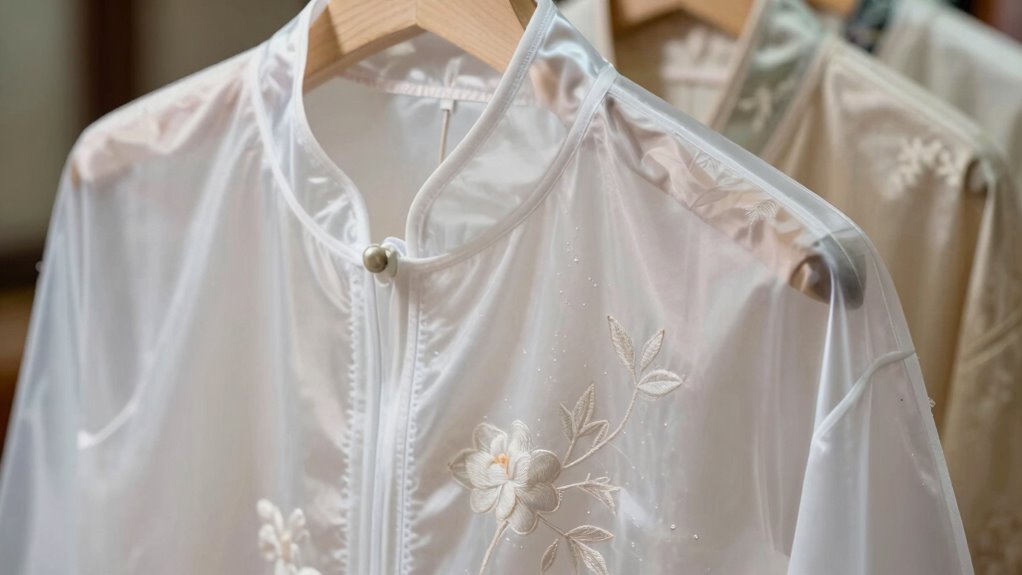
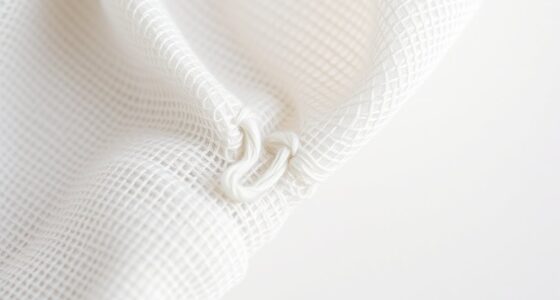
When you invest time and effort into creating handmade clothes, protecting them becomes a top priority. A good garment bag isn’t just about keeping your pieces clean; it’s about ensuring they stay in perfect condition, whether you’re storing them at home or taking them on the go. When you choose a garment bag for your handmade clothes, consider its role in travel storage and dust protection. Travel storage is one of the primary reasons for using a garment bag, especially if you plan to carry your clothes with you. A well-designed bag keeps your garments wrinkle-free and prevents them from shifting during transit. It also shields your clothes from dirt, spills, or accidental snags when packed in a suitcase or carried in a car. Dust protection is equally essential, especially if you keep your handmade garments in a closet or storage space for extended periods. A sturdy garment bag acts as a barrier against dust, pet hair, and other airborne particles that could settle on your delicate fabrics. This layer of protection helps preserve the quality and appearance of your clothes, so they’re ready to wear whenever you need them. However, it’s essential to select the right type of garment bag, as some can inadvertently trap moisture, leading to problems like mold or mildew. When you store your handmade clothes in a poorly ventilated bag, moisture from humidity or washing residues can become trapped inside. Over time, this creates an environment ripe for mold growth, which can stain or damage your fabric. To avoid this, opt for breathable garment bags made from materials like cotton or mesh, which allow air circulation and help keep your clothes dry. Proper ventilation is crucial to preventing moisture buildup and maintaining the integrity of your garments. Additionally, incorporating moisture control techniques in your storage practices can further protect your delicate textiles from damage. If you’re frequently traveling or storing clothes for long periods, it’s wise to periodically air out the garment bag and your handmade garments to prevent moisture buildup. Using proper storage techniques can further extend the lifespan of your handmade garments by reducing exposure to damaging elements. Additionally, choosing fabric care practices can help you select the most suitable garment bag for delicate textiles. When you take care of your garments by selecting the right garment bag, you’re investing in their longevity and your craftsmanship’s integrity. Ultimately, a well-chosen garment bag becomes an indispensable tool in your wardrobe, protecting your handmade creations from damage while ensuring they stay fresh and ready to wear whenever you want.
Popular right now

De'Longhi Stilosa Compact Manual Espresso Machine with Milk Frother

Shark Navigator Robot Vacuum with Self-Empty Base, Dark Grey (RV2120AE)

LG 85-inch QNED75B Mini LED Smart TV Bundle with HDMI and CPS Protection Plan
As an affiliate, we earn on qualifying purchases.
Frequently Asked Questions
Are There Eco-Friendly Garment Bag Options for Handmade Clothes?
Yes, there are eco-friendly garment bag options for your handmade clothes. You can choose bags made from sustainable materials like organic cotton, hemp, or recycled fabrics, which reduce environmental impact. These sustainable options help protect your garments without harmful chemicals or plastics. Look for products labeled as eco-friendly or biodegradable, ensuring your wardrobe aligns with your commitment to sustainability while keeping your handmade clothes safe and protected.
How Often Should I Air Out My Garment Bag?
You should air out your garment bag every couple of weeks to prevent moisture buildup, which many believe leads to mold and odors. Good air circulation helps keep your handmade clothes fresh and dry, especially if they’re stored in a breathable bag. If you notice any dampness or musty smell, increase the frequency. Regular airing guarantees your clothes stay protected without trapping excess moisture inside the bag.
Can Garment Bags Prevent Color Fading in Handmade Garments?
Garment bags can help prevent color fading in handmade garments if you choose the right one. Look for bags made from breathable, material-compatible fabrics that allow air circulation while protecting against UV rays and dust. Properly storing your clothes in a suitable garment bag maintains color preservation, reducing fading over time. Just avoid plastic bags that trap moisture, which can cause color deterioration and damage your handmade pieces.
Do Garment Bags Work Equally Well for All Fabric Types?
Garment bags don’t work equally well for all fabric types. You need to take into account fabric breathability and material compatibility. For delicate or breathable fabrics, choose a breathable garment bag that allows air circulation, preventing moisture buildup. For sturdy, non-breathable materials, a standard bag might suffice. Always match the bag’s material to your garment’s needs to protect your handmade clothes effectively without trapping moisture or causing damage.
What Are Signs My Garment Bag Is Trapping Moisture?
Think of your garment bag as a guardian, but sometimes it becomes a silent threat. If you notice mold growth or a musty smell, your bag’s trapping moisture. Signs include dampness, condensation, or a lingering odor. This indicates trapped moisture is creating a perfect environment for mold. Check regularly, and if you spot these signs, air out the bag and consider using moisture absorbers to keep your handmade clothes safe.
Conclusion
In the end, choosing the right garment bag means balancing protection with breathability—think of it as wielding a sword and shield wisely. Don’t let your handmade clothes become like a Victorian ghost, trapped and musty, just because you didn’t consider moisture. Remember, even in the age of chivalry, proper storage mattered. So, pick your bag carefully, and keep your creations fresh and ready for their next adventure!