
To resize a dress down a size without distortion, start by evaluating your fabric type—stretch fabrics are easier to adjust, while non-stretch ones need careful seam work. Use precise techniques like taking in side seams, adjusting darts, and working gradually to maintain the original shape. Test the fit often and avoid drastic changes. Paying attention to fabric properties ensures a smooth, natural result—if you want to master this process, you’re in the right place to learn more.
Key Takeaways
- Identify and work with stretch fabrics like jersey or spandex for easier resizing without distortion.
- Gradually take in side seams and darts, testing fit frequently to maintain the dress’s shape.
- Use precise sewing techniques and seam rippers to carefully adjust seams without damaging the fabric.
- Add small panels or gussets if fabric is non-stretch, ensuring the fit is reduced smoothly.
- Consult a professional tailor for complex alterations to preserve the dress’s original style and silhouette.
Reducing the size of an image or design without sacrificing quality can be challenging, but with the right techniques, you can achieve a crisp, distortion-free result. When it comes to clothing, especially dresses, the goal is similar: to make a garment fit smaller without warping its shape or appearance. To do this effectively, understanding fabric stretch and tailoring techniques is essential. These elements help you resize a dress while maintaining its original silhouette and comfort.
Resizing clothing without distortion relies on fabric type and precise tailoring techniques.
First, consider the fabric type. Fabrics with stretch, such as spandex blends, jersey knits, or elastane-infused textiles, are more forgiving when it comes to resizing. They naturally expand and contract, making them easier to take in without losing shape. For fabrics without stretch, you’ll need to be more precise with your tailoring. You might need to add darts, take in seams, or adjust the side panels to achieve a smaller fit. The key is to work gradually and test the fit as you go, avoiding drastic changes that could distort the design.
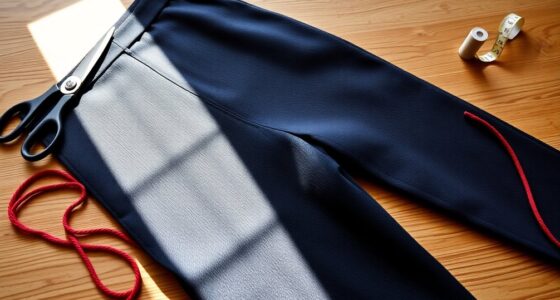
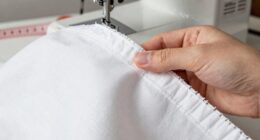
When tailoring a dress to a smaller size, start by turning it inside out and pinning or chalking the areas you plan to alter. Focus on the side seams, waistline, and darts, which are the most common areas to adjust. Use a seam ripper to carefully open the seams if necessary, then resew them to a narrower width. For fabrics with some stretch, you may only need to take in the seams slightly, as the fabric will adapt easily. For non-stretch fabrics, you might need to add small panels or gussets to maintain the original shape and avoid distortion. Additionally, learning about fabric properties can help you choose the best approach for resizing.
Incorporating tailored techniques like strategic dart placement can also help you achieve a more fitted look without changing the overall design. Darts add shape and contour, allowing you to reduce fabric excess in specific areas. When adjusting, always keep in mind the fabric’s natural stretch and drape, ensuring the alterations complement the original pattern. If you’re not confident in your sewing skills, consulting a professional tailor can be invaluable; they know how to manipulate fabric and utilize tailoring techniques to size down a dress while preserving its integrity.
Ultimately, resizing a dress without distortion hinges on understanding fabric properties and employing precise tailoring techniques. By respecting the fabric stretch and making careful adjustments, you ensure the dress fits perfectly and retains its original style. Whether you’re working with stretchy materials or more rigid fabrics, patience and attention to detail will lead to a successful, distortion-free result.
Frequently Asked Questions
Can Sizing Down Cause Permanent Fabric Distortion?
Sizing down can cause permanent fabric distortion if you use improper sizing down techniques or stretch the fabric too aggressively. When you pull or alter clothing beyond its natural elasticity, it risks losing its original shape. To avoid this, follow proper sizing down techniques like careful steaming or tailored alterations. Always be gentle, and consider professional help if you’re unsure, to prevent permanent fabric distortion and maintain your garment’s fit.
Does Sizing Down Work the Same Across All Clothing Fabrics?
Think of clothing fabrics as different musical instruments—each responds uniquely to tuning. Sizing down works differently depending on fabric elasticity and sizing accuracy. Stretchy fabrics like spandex adapt easily, while delicate silks require gentle handling. So, your approach needs to match the material. Always check labels and test small adjustments to avoid distortion. Remember, understanding fabric behavior helps you achieve a perfect fit without damage.
How Does Sizing Down Affect Garment Longevity?
Sizing down can impact your garment’s longevity, especially depending on fabric elasticity and washing effects. When you go a size smaller, the fabric endures more stress, which can lead to quicker wear or distortion, particularly if it’s delicate or has limited elasticity. Frequent washing amplifies these effects, causing potential shrinkage or loss of fit. To preserve your clothes, choose the right size and follow care instructions carefully.
Are There Specific Brands Better Suited for Sizing Down?
Ever wonder if some brands are secretly designed for your smaller self? You’ll find that brands with high compatibility and consistent sizing are your best bet for sizing down. They tend to keep their measurements steady, making it easier to go down a size without distortion. Look for brands known for reliable sizing consistency, and you’ll avoid the surprise of a dress turning into a squeeze, turning your wardrobe into a comedy of errors.
Can Sizing Down Improve Fit Without Altering Comfort?
Sizing down can improve the fit without compromising comfort if you use fabric stretching and size adjustment techniques carefully. You might find that a smaller size offers a snugger fit, but be mindful of how fabric stretches over time. Focus on gentle adjustments, like stretching the fabric strategically or using steaming methods, to ensure your dress fits better without feeling tight or uncomfortable.
Conclusion
Sizing down doesn’t have to distort your dress or compromise style. With the right techniques, you can achieve a perfect fit and feel confident. Did you know that over 60% of women find that tailoring their clothing improves comfort and appearance? By carefully selecting your size and using simple adjustments, you’re empowered to look great without sacrificing shape or style. Embrace these tips, and enjoy dressing in a way that truly fits your body.