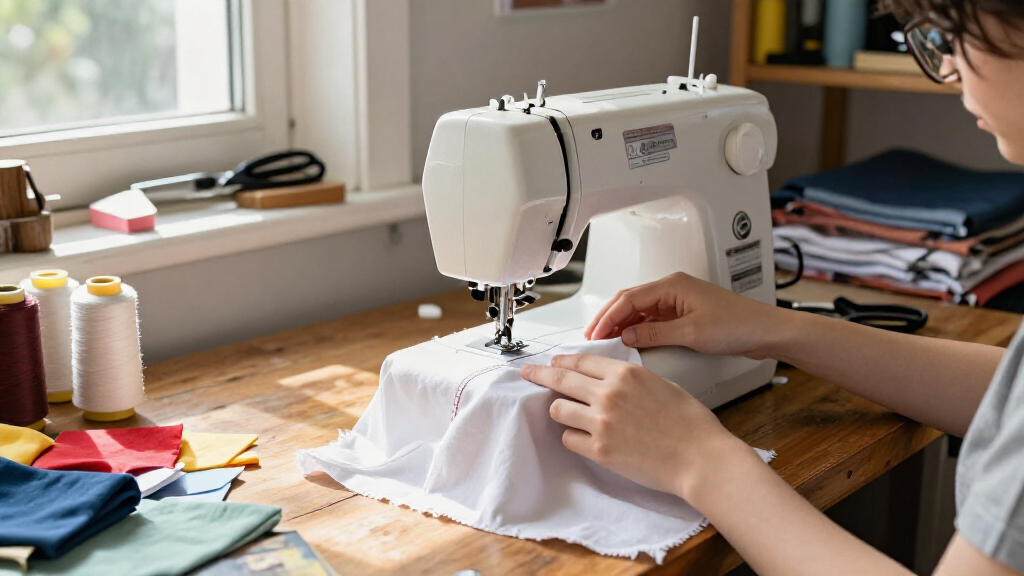
The best sewing machines for beginners pair straightforward controls with dependable stitch quality and room to grow. I’d choose the Brother CS7000X as the best overall for its computerized controls and quilting-friendly features; the Brother XM2701 is a simpler, portable alternative, while the Janome Arctic Crystal appeals to learners who value clear setup guidance. The main tradeoff is between easy operation and extra features: basic machines can feel less flexible as skills grow, while feature-heavy models may take longer to learn. Heavy-duty machines suit thicker materials better but may be more machine than a first-time sewer needs. Read on for the full breakdown of all 15 options and how I’d match them to different sewing plans.

Get business pricing on tools and workshop supplies
- Business-only prices and quantity discounts
- Tax-exempt purchasing
- Multiple users, one account, clear invoices
Complete the kit


Key Takeaways
- The Brother CS7000X is the strongest all-rounder in this lineup: its computerized interface and quilting-oriented design make it more versatile than the simpler mechanical picks.
- The Janome Arctic Crystal puts beginner guidance first: its bobbin diagram and tutorial videos address setup hurdles that stitch-count comparisons often miss.
- Brother’s XM2701, XM3700, and GX37 offer different paths to a mechanical machine: the right choice depends on the controls and included features you prefer, not stitch count alone.
- The SINGER 4452 and 4423 stand apart for heavier sewing: their heavy-duty positioning makes them more relevant for thick materials than the mini and lightweight options.
- Mini and low-power portable models are specialized choices: they can suit light fabrics and occasional repairs, but they are less versatile than full-size machines for regular projects.


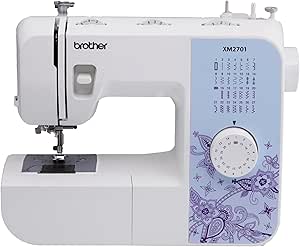


| sewing machines for beginner | Built-in stitches | Weight | Model | Included accessories |
|---|---|---|---|---|
| SINGER 4452 Heavy Duty Sewing | 32 | — | 4452 | Six presser feet, clearance plate, seam ripper, spool caps, screwdriver, quilting guide, bobbins, needles, auxiliary spool pin, felt washer |
| Brother XM3700 Sewing Machine | 37 | 12.5 pounds | XM3700 | Five sewing feet, three-piece needle set, twin needle, four bobbins, user manual |
| Small Sewing Machine for Begin | 12 | 4.2 pounds | — | — |
| Brother XR3774 Sewing and Quil | 37 | 15 pounds | — | Darning plate, twin needle, four bobbins, extra spool pin, screwdriver, power cord, instruction manual, DVD |
| Janome Arctic Crystal Easy-to- | 15 | 13 pounds | 001crystal | — |
| Sewing Machine for Beginners w | — | 3.7 pounds | SM-520A | — |
| Portable Sewing Machine for Be | — | 3.3 kg | — | — |
| Brother CS7000X Sewing and Qui | 70 | — | — | Quilt guide, hard case, wide table |
| Sewing Machine for Beginners w | — | 3 pounds | FHSM-201 | — |
| Brother XR9550 Computerized Se | 165, including utility, decorative, and heirloom stitches | — | — | Hard cover case, wide table |
| Brother XM2701 Portable Sewing | 27 | — | XM2701 | — |
| SINGER M1500 Lightweight & Por | 6 | 9.7 lb | — | All-purpose, zipper, and buttonhole feet; darning plate; needles; bobbins; screwdriver; seam ripper |
| Brother GX37 Sewing Machine wi | 37 | 10.1 lb | GX37 | Needle set, bobbins, manual, quick-start guide |
| SINGER 4423 Heavy Duty Sewing | — | — | — | 4 presser feet |
| Brother CS5055 Computerized Se | 60 | 10.5 lb | CS5055 | — |
More Details on Our Top Picks
SINGER 4452 Heavy Duty Sewing Machine with Accessories
For a beginner who expects to sew denim, canvas, or several fabric layers, the SINGER 4452 offers more muscle than the light-duty machines in this group. Its motor is described as providing 50% more power for thick fabrics, while the full metal frame helps keep the machine steady. The 1100-stitch-per-minute speed and 32 built-in stitches also leave room to build skills beyond basic repairs. Compared with the Janome Arctic Crystal, this SINGER is better suited to heavier materials, but it has more features to learn and is less convenient to move. The included feet and quilting guide add flexibility, though beginners focused on simple mending may not need such a large accessory set. Choose it for fabric capacity, not the lightest learning curve.
Pros:- Motor is specified as 50% more powerful for thick fabrics.
- Full metal frame provides a stable base for sewing.
- 32 built-in stitches cover a range of basic and decorative tasks.
- Six presser feet and a quilting guide support different project types.
Cons:- Heavier build makes it less convenient to move and store.
- Its stitch options and accessory set may add unnecessary learning steps for basic mending.
Best for: Beginners planning to sew denim, canvas, or layered projects who want a sturdy machine with room to expand their skills.
Not ideal for: New sewists focused on occasional light-fabric repairs who want a compact, simple machine that is easy to carry.
- Model:4452
- Built-in stitches:32
- Stitch applications:110
- Maximum speed:1100 stitches per minute
- Motor:Described as 50% more power for thick fabrics
- Frame:Full metal
- Included accessories:Six presser feet, clearance plate, seam ripper, spool caps, screwdriver, quilting guide, bobbins, needles, auxiliary spool pin, felt washer
- Warranty:1 year
Our verdict“Choose the SINGER 4452 if sewing heavier fabrics matters more than portability or the simplest possible setup.”
Brother XM3700 Sewing Machine with 37 Built-in Stitches
The Brother XM3700 is a practical middle ground for a beginner who wants to try garments, small quilting projects, and decorative stitches without stepping up to a specialized heavy-duty machine. Its automatic needle threader and drop-in bobbin simplify two setup tasks that can slow down a first project, while the free arm helps when hemming sleeves or working on cuffs. It offers 37 stitches—more than the Janome Arctic Crystal—but does not have the XR3774’s stated quilting focus and wide table. That makes the XM3700 a more general-purpose choice than either of those alternatives, rather than a dedicated quilting pick. It is still a corded, 120V machine, and its broad stitch selection may be more than a beginner needs for basic repairs. The supplied feet make it easier to explore different techniques without buying them separately.
Pros:- Automatic needle threader and drop-in bobbin simplify setup.
- 37 built-in stitches support varied beginner projects.
- Free arm makes cuffs, sleeves, and small tubular items easier to sew.
- Includes five sewing feet, bobbins, and a twin needle.
Cons:- 120V power specification limits use to compatible electrical systems.
- No computerized controls or embroidery features are specified.
- At 12.5 pounds, it is less convenient to carry than the 4.2-pound mini machine.
Best for: Beginners in the United States who want one machine for clothing repairs, simple garments, and occasional decorative sewing.
Not ideal for: Quilters who need the XR3774’s quilting-focused setup, or buyers who need a machine for heavy materials or non-120V power.
- Model:XM3700
- Built-in stitches:37
- Threading:Automatic needle threader
- Bobbin:Drop-in
- Power source:Corded electric
- Input voltage:120 volts
- Weight:12.5 pounds
- Included accessories:Five sewing feet, three-piece needle set, twin needle, four bobbins, user manual
Our verdict“Pick the XM3700 for an approachable all-purpose machine when your projects extend beyond basic mending but do not require a quilting-focused setup.”
Small Sewing Machine for Beginners, Portable Sewing Kit for Light Fabrics
This mini machine is the easiest fit here for a beginner with limited storage and modest plans: think lightweight woven fabrics, simple upcycling, and small home projects. At 4.2 pounds, it is far easier to carry or tuck away than the 12.5-pound Brother XM3700, and its included 32-piece kit gives a new sewist basic supplies to get started. The tradeoff is fabric range. The product data specifies light fabrics only, so this is not the pick for denim, canvas, or bulky seams; the SINGER 4452 is the more suitable option for those jobs. Its 12 stitches offer fewer choices than the Brother models with 37, but the smaller selection may be less distracting for straightforward projects. Treat it as a compact entry point, not a machine for growing into heavy or demanding work.
Pros:- Light 4.2-pound design is easy to carry and store.
- Includes 32 thread spools and basic sewing supplies.
- 12 built-in stitches provide options for simple projects.
- Product data identifies cotton, linen, and lightweight woven fabrics as suitable materials.
Cons:- Limited to light fabrics, excluding heavy materials such as denim and canvas.
- Plastic construction and compact format are less suited to demanding, repeated use.
- A 12-stitch selection offers less variety than the Brother XM3700 and XR3774.
Best for: First-time sewists in small homes or dorm rooms who want a lightweight machine for light-fabric repairs and simple DIY projects.
Not ideal for: Beginners who expect to sew denim, canvas, thick seams, or larger projects that demand a more capable full-size machine.
- Product size:10.3 × 9.5 × 4.4 inches
- Weight:4.2 pounds
- Built-in stitches:12
- Material:Plastic
- Designed for:Light fabrics, including cotton, linen, and lightweight woven materials
- Included thread:32 colorful thread spools
- Included components:Foot pedal, power cord, bobbins, needles, threader
Our verdict“Choose this compact machine for light-fabric practice and easy storage, but move up to a full-size model if you plan to sew heavier materials.”
Brother XR3774 Sewing and Quilting Machine with 37 Stitches
The Brother XR3774 makes the most sense for a beginner whose first projects include patchwork or quilting, rather than someone who only needs to hem clothes. It combines 37 built-in stitches with a wide table and quilting-oriented accessories, giving larger fabric pieces more support as they move through the machine. Automatic threading and a top-loading bobbin help keep routine setup manageable. Compared with the Brother XM3700, this model is the more purpose-built choice for quilting; the XM3700 is a better general-use fit if cuffs, sleeves, and everyday garment work are the priority. At 15 pounds, the XR3774 is also heavier than the XM3700, and its 120V specification limits electrical compatibility. Its feature set may feel excessive for a beginner who expects to sew only simple repairs.
Pros:- Wide table and included quilting accessories support larger fabric pieces.
- 37 built-in stitches offer options for utility and decorative sewing.
- Automatic threading and a top-loading bobbin ease setup.
- Includes a twin needle, four bobbins, darning plate, and extra spool pin.
Cons:- At 15 pounds, it is less portable than the Brother XM3700.
- 120V specification restricts use to compatible electrical systems.
- Quilting-oriented features may be unnecessary for basic mending.
Best for: Beginners who want to learn quilting or patchwork and need a wide work surface plus a useful range of stitches.
Not ideal for: Sewists focused on quick clothing repairs who want a lighter, simpler everyday machine, or buyers outside compatible 120V regions.
- Built-in stitches:37
- Threading:Automatic
- Bobbin:Top loading
- Buttonhole:1-step
- Voltage:120V
- Weight:15 pounds
- Dimensions:5.8 × 15.3 × 12 inches
- Included accessories:Darning plate, twin needle, four bobbins, extra spool pin, screwdriver, power cord, instruction manual, DVD
Our verdict“Choose the XR3774 if quilting is part of your beginner plan; for mostly garment repairs, the lighter and more general-purpose XM3700 is a better fit.”
Janome Arctic Crystal Easy-to-Use Sewing Machine with Interior Metal Frame, Bobbin Diagram, Tutorial Videos, Made for Beginners
The Janome Arctic Crystal is a strong fit for a beginner who values straightforward operation over a long stitch menu. Its 15 built-in stitches and bobbin diagram keep the basic choices approachable, while tutorial videos and a quick-start guide support early practice. The interior metal frame adds stability without the heavy-fabric emphasis of the SINGER 4452, so this Janome is better matched to garments, patchwork, and light quilting than thick canvas or repeated multilayer sewing. Compared with the 37-stitch Brother XM3700, it offers fewer stitch options but a simpler feature set and a stated 25-year limited warranty. Its four-step buttonhole is less streamlined than the XR3774’s one-step buttonhole, and experienced sewists may find the mechanical design limiting. This is a beginner-first choice, not a machine built around advanced features.
Pros:- Bobbin diagram, tutorial videos, and quick-start guide support learning the basics.
- Interior metal frame provides stability during sewing.
- 15 stitches cover common beginner tasks without an overly large selection.
- 25-year limited warranty is specified.
Cons:- Four-step buttonhole takes more steps than the XR3774’s one-step buttonhole.
- Best suited to light quilting and home projects, not demanding heavy-fabric sewing.
- Mechanical operation lacks the advanced features some experienced sewists may want.
Best for: New sewists who want clear setup guidance and a stable mechanical machine for clothing, patchwork, and light quilting.
Not ideal for: Beginners planning frequent heavy-fabric work, or experienced sewists seeking computerized controls and a broad stitch selection.
- Brand:Janome
- Model:001crystal
- Built-in stitches:15
- Buttonhole:4-step
- Frame:Interior metal frame
- Weight:13 pounds
- Warranty:25-year limited
- Included components:Four presser feet, bobbins, needles, seam ripper, darning plate, quick-start guide, instruction manual
Our verdict“Choose the Arctic Crystal if clear beginner guidance and simple mechanical controls matter more than extra stitches or heavy-fabric capacity.”
Sewing Machine for Beginners with Twin Needle and 12 Stitch Patterns
The Buvnatep SM-520A suits beginners who want a small machine for straightforward repairs and crafts rather than a broad sewing setup. Its pre-threaded setup, adjustable speeds, and reverse stitching reduce some early friction, while the twin-needle capability offers a way to sew parallel lines. At 3.7 pounds and just 10.6 inches deep, it is easier to store or carry than the sturdier, metal-frame portable machine in this group. The tradeoff is a narrow range of 12 stitch patterns and a plastic body, which make it less appealing for frequent use or projects that demand more stitch choices. I’d choose it for occasional small jobs, not as a long-term machine for expanding skills.
Pros:- Lightweight, compact body is convenient to store and carry.
- Pre-threaded setup and straightforward controls can ease first use.
- Reverse stitching and adjustable speeds help with basic seams and careful starts.
- Twin-needle capability adds a parallel-stitch option.
Cons:- The 12-pattern selection limits variety as skills and project types grow.
- Plastic construction may be less suited to heavy, frequent sewing.
- Product details do not specify a broad accessory selection beyond a basic sewing kit.
Best for: Beginners in small homes who want a lightweight machine for simple repairs, hems, and occasional crafts.
Not ideal for: Frequent sewers or learners planning varied garments and decorative projects who may outgrow 12 stitch patterns and want a sturdier frame.
- Model:SM-520A
- Stitch patterns:12
- Weight:3.7 pounds
- Dimensions:10.6 × 4.5 × 9 inches
- Material:Plastic
- Power source:AC
- Included components:Instructions, pedal, sewing kit, sewing machine, coil
Our verdict“Choose the Buvnatep for occasional mending in a tight space, but pick a more capable machine if you expect your sewing projects to grow.”
Portable Sewing Machine for Beginners with 16 Built-in Stitches, 12V 24W
Among the compact machines here, this model stands out for pairing a metal frame with a motor described as capable of sewing multiple denim layers. That makes it a more convincing choice for sturdier home repairs than the plastic-bodied Buvnatep SM-520A, though fabric thickness and results can still depend on the material and setup. Its top drop-in bobbin is intended to reduce jams, and dual-speed control gives beginners a slower setting for learning. A free arm also helps with sleeves and other tubular pieces. The 16 stitches offer a little more variety than the Buvnatep’s 12, but this remains a basic portable machine, not a broad quilting or garment-making workstation. I’d favor it for practical repairs and DIY projects over a first machine meant to support years of varied sewing.
Pros:- Metal frame offers a sturdier base than the plastic-bodied compact options in this group.
- Motor is described as capable of handling multiple denim layers.
- Top drop-in bobbin and dual-speed control can make setup and beginner practice easier.
- Free arm, storage drawer, and built-in light support practical home projects.
Cons:- The 16 stitch patterns may feel limiting for decorative sewing and varied garment work.
- At 3.3 kg, it is less lightweight than the smallest machines in this roundup.
- The product description positions it for basic projects rather than advanced sewing.
Best for: Beginners who need a portable machine for home repairs, including occasional work on denim or other thicker layers.
Not ideal for: Quilters and learners seeking extensive stitch options or a more feature-rich machine for complex, long-term projects.
- Power:12V, 24W
- Motor:DC motor
- Stitch patterns:16
- Weight:3.3 kg
- Bobbin system:Horizontal top drop-in
- Frame:Metal
- Additional features:Free arm, storage drawer, dual-speed control, LED light
Our verdict“Pick this portable model if a sturdier frame and occasional thicker-fabric repairs matter more than a large stitch library.”
Brother CS7000X Sewing and Quilting Machine LCD Display
The Brother CS7000X earns the lead for a beginner who wants room to take on quilting and varied sewing without starting with a bare-bones machine. Its 70 built-in stitches, LCD display, and automatic needle threader offer more guidance and choice than the portable models here, while the wide table and generous needle-to-arm workspace help keep larger pieces supported. That makes it a stronger growth pick than the Buvnatep SM-520A or the 16-stitch portable machine, which are better suited to smaller, simpler jobs. The added capability brings a learning curve: the controls may take time to get comfortable with, and this is a 120V US model. I’d choose it for a beginner with quilting ambitions, but a simpler mechanical machine may feel less busy for someone who only wants occasional mending.
Pros:- Seventy stitches provide broader utility and decorative options than the compact machines in this group.
- Automatic needle threader reduces a fiddly setup task for new sewers.
- Wide table and large needle-to-arm workspace better support quilts and bulky projects.
- Includes ten presser feet, a quilt guide, and a hard case.
Cons:- The larger feature set may take longer for a complete beginner to learn.
- 120V power specification limits suitability to US use.
- Its quilting workspace and accessories may be more than needed for basic mending.
Best for: New sewers in the US who expect to try quilting, larger projects, and a range of stitches as their skills develop.
Not ideal for: Buyers outside the US who need a different voltage, or beginners seeking the simplest possible controls for occasional repairs.
- Built-in stitches:70
- Display:LCD
- Needle threader:Automatic
- Included presser feet:10
- Included accessories:Quilt guide, hard case, wide table
- Workspace:Large needle-to-arm workspace
- Power voltage:120V (US only)
Our verdict“Choose the CS7000X if you want a beginner-friendly starting point with meaningful room to grow into quilting and varied projects.”
Sewing Machine for Beginners with Fabrics & Finger Guard, Mini Size
This mini machine is the most learning-oriented pick in the group: the finger guard, tutorial videos, fabric bundles, and sewing tools give a first-timer materials and guidance to start practicing, not just a machine. Its two speed settings let a beginner work more slowly at first, and the extension table gives small projects a little extra support. Compared with the Buvnatep SM-520A, the package puts more emphasis on instruction and included practice supplies; compared with the Brother CS7000X, it is far simpler and more limited. That simplicity comes with real boundaries: the mini size is best for small jobs, the body is plastic, and the product data does not list a stitch-pattern count. I’d treat it as an entry point for learning basics rather than a machine to grow into for larger or frequent projects.
Pros:- Finger guard adds a safety feature for new sewers learning to control fabric.
- Fabric bundles and tutorial videos provide practical materials and guidance for practice.
- Dual speed and foot pedal give beginners options for controlling sewing pace.
- Compact design includes an extension table and a set of sewing tools.
Cons:- Mini size restricts its usefulness for larger projects.
- Plastic construction may not suit frequent, long-term sewing.
- No stitch-pattern count is provided, making its range harder to compare with other models.
Best for: First-time learners, including families helping a beginner practice basic stitches with included fabric and tutorial support.
Not ideal for: Beginners who want to sew full-size garments, quilts, or frequently work through larger projects that need a roomier, more durable machine.
- Model:FHSM-201
- Dimensions:10 × 9 × 6.9 inches
- Weight:3 pounds
- Power source:AC adapter
- Material:Plastic
- Speed settings:Dual speed
- Included features:Foot pedal, US adapter, extension table
Our verdict“This is a practical first-learning kit for small projects, but choose a full-size machine if you want room to take on larger work.”
Brother XR9550 Computerized Sewing and Quilting Machine 165 Stitches
The Brother XR9550 is for a beginner who already knows they want a wide range of sewing and quilting options. Its 165 stitches and eight automatic buttonhole styles offer far more choice than the CS7000X’s 70, while the LCD display makes stitch selection more direct than on a basic mechanical model. A wide table, eight presser feet, and hard cover support larger projects and varied techniques. The tradeoff is that all this choice can add complexity at the start; for someone learning only hems and repairs, the CS7000X is the more restrained computerized option, and a compact machine is easier to store. This model also specifies US 120V power. I’d rank it for motivated beginners who want to explore many stitch types, not for buyers who prioritize the simplest setup.
Pros:- A 165-stitch selection gives more room to explore than the CS7000X.
- Eight auto-size buttonhole styles support different garment projects.
- LCD display helps with stitch selection.
- Wide table, eight presser feet, and hard cover support larger projects and storage.
Cons:- The large stitch selection and computerized controls may overwhelm a beginner seeking simplicity.
- 120V design limits suitability to US power systems.
- Its feature set may be unnecessary for users focused only on basic repairs.
Best for: Ambitious beginners in the US who plan to sew garments, try decorative stitches, and move into quilting with one machine.
Not ideal for: Casual menders or first-time users who prefer minimal controls, a smaller footprint, or a machine with fewer options to learn.
- Built-in stitches:165, including utility, decorative, and heirloom stitches
- Buttonholes:8 auto-size styles
- Display:LCD
- Included presser feet:8
- Included accessories:Hard cover case, wide table
- Warranty:25-year limited
- Technical support:Free technical support for life
Our verdict“Choose the XR9550 if you are a motivated US beginner who wants extensive stitch choices and quilting capacity, rather than the simplest learning machine.”
Brother XM2701 Portable Sewing Machine with 27 Stitches
The XM2701 keeps beginner setup approachable with an automatic needle threader and drop-in bobbin, while its 27 stitches leave room to try more than basic straight seams. Six included sewing feet add practical options for common tasks without pushing this machine into a complicated computerized setup. Compared with the Brother GX37, it offers fewer stitches, so the GX37 is the better fit if decorative and utility choices matter most. The XM2701 makes more sense for someone who values a lighter, straightforward machine for mending, simple garments, and occasional crafts. Its limits are real: the stitch selection may feel basic as skills grow, and its 120V-only power restricts use to compatible US outlets. I’d choose it for easy everyday sewing, not demanding specialty work.
Pros:- Automatic needle threading and a drop-in bobbin simplify two common setup tasks.
- Six included sewing feet support a range of basic project techniques.
- Lightweight design is easier to store or carry than a heavy-duty machine.
- 25-year limited warranty and lifetime support are listed.
Cons:- The 27-stitch selection is narrower than the Brother GX37 and computerized Brother CS5055.
- 120V US-only power limits where it can be used.
- No digital connectivity features are specified.
Best for: New sewists who want a portable machine for repairs, simple clothing projects, and learning several everyday stitches.
Not ideal for: Buyers who expect a broad decorative stitch library, computerized controls, or a machine that works on non-US voltage.
- Model:XM2701
- Built-in stitches:27
- Included sewing feet:6
- Other included accessories:Twin needle, bobbins, manual, DVD
- Power:120 volts, US only
- Warranty:25 years
Our verdict“Choose the XM2701 for approachable everyday sewing and portability, but pick the GX37 if you want more stitch variety.”
SINGER M1500 Lightweight & Portable Sewing Machine with Accessory Kit
At 9.7 pounds, the M1500 is the easiest pick here to carry to a class or tuck away between small projects. Its preset stitch length and width remove some early decision-making, while the listed 57 stitch applications describe combinations built around just six built-in stitches—a distinction worth knowing before buying. Unlike the Brother XM2701, it uses a four-step buttonhole and does not list an automatic needle threader, so setup and buttonholes involve more manual steps. The accessory kit covers useful basics, including zipper and buttonhole feet, but the compact workspace can feel limiting when handling larger fabric pieces. I’d favor it for straightforward mending and craft work where portability matters more than growth potential; sewists planning heavier fabrics should look at the SINGER 4423 instead.
Pros:- Light 9.7-pound build is convenient to carry and store.
- Preset stitch length and width reduce setup choices for beginners.
- Includes all-purpose, zipper, and buttonhole feet plus basic maintenance accessories.
- Four-step buttonhole function supports basic garment and craft projects.
Cons:- Six built-in stitches offer less variety than the Brother XM2701 or Brother GX37.
- Four-step buttonholes require more manual handling than automatic buttonhole systems.
- Small workspace and basic design are limiting for large or heavy-fabric projects.
Best for: Beginners in small homes or sewing classes who mainly need a light machine for mending, crafts, and modest projects.
Not ideal for: Sewists handling thick denim, large quilts, or projects that call for a roomy work area and more advanced convenience features.
- Stitch applications:57
- Built-in stitches:6
- Weight:9.7 lb
- Dimensions:14.57 x 7.12 x 11.34 in
- Buttonhole:Four-step
- Included accessories:All-purpose, zipper, and buttonhole feet; darning plate; needles; bobbins; screwdriver; seam ripper
- Warranty:One year
Our verdict“Pick the M1500 if easy carrying and basic sewing matter more than stitch range, workspace, or heavy-fabric capability.”
Brother GX37 Sewing Machine with 37 Built-in Stitches
The GX37 gives beginners a broader menu than the Brother XM2701 without adding an LCD interface to learn: its 37 built-in stitches cover utility and decorative options, and the automatic needle threader and drop-in bobbin keep routine setup familiar. That makes it a sensible step up for someone who wants to try different seams while staying with mechanical controls. Compared with the Brother CS5055, the GX37 has fewer stitches and no computerized display, but it avoids making screen-based selection part of the learning process. Its 10.1-pound weight remains manageable, though its 120V-only power is a firm limitation for international use. The included feet and quick-start guide help with first projects; advanced quilters may still want a machine with more specialized features and workspace.
Pros:- 37 stitches provide a wider choice of utility and decorative options than the Brother XM2701.
- Automatic needle threading and a drop-in bobbin ease routine setup.
- Six sewing feet and a quick-start guide support varied early projects.
- 10.1-pound weight is reasonably portable for a full-size machine.
Cons:- No computerized or touchscreen controls, unlike the Brother CS5055.
- 120V corded power limits use to compatible outlets.
- Its feature set may not meet the needs of advanced quilting projects.
Best for: Beginners who want more stitch choices than a basic starter machine but prefer familiar mechanical controls over an LCD interface.
Not ideal for: International buyers, advanced quilters seeking specialized controls, or anyone who specifically wants computerized stitch selection.
- Model:GX37
- Built-in stitches:37
- Included sewing feet:6
- Included accessories:Needle set, bobbins, manual, quick-start guide
- Power:120 volts, corded electric
- Dimensions:7 x 15 x 17 in
- Weight:10.1 lb
- Warranty:25-year limited
Our verdict“Choose the GX37 for a beginner-friendly mechanical machine with room to explore more stitches than the XM2701 offers.”
SINGER 4423 Heavy Duty Sewing Machine (Meltwater Blue) with Accessories
For a beginner whose first projects involve denim, canvas, or other thick material, the SINGER 4423 offers a different kind of headroom from the Brother XM2701: a heavy-duty metal frame, extra-high presser-foot lift, adjustable foot pressure, and a motor rated for up to 1,100 stitches per minute. Those features can help with bulky layers, but speed and strength do not automatically make a machine easier to learn. The XM2701 is the gentler choice for ordinary mending and lighter practice, while this model is better matched to sturdier materials and frequent work. Its 97 stitch options sound broad, though the supplied information does not explain their exact selection method. The tradeoff is a heavier, less portable machine and a more forceful setup for a complete novice; its four included feet also make the accessory kit comparatively lean.
Pros:- Metal frame and extra-high presser-foot lift suit thicker fabric layers.
- Adjustable presser-foot pressure offers control across different fabric weights.
- Up to 1,100 stitches per minute supports faster sewing as skills develop.
- Top drop-in bobbin with transparent cover makes bobbin monitoring easier.
Cons:- Heavier construction makes it less convenient to carry or store than the Brother XM2701.
- High speed and heavy-duty emphasis may feel like more machine than a first-time sewist needs.
- Only four presser feet are listed among the included accessories.
Best for: Beginners who already know they want to sew denim, canvas, or other thick fabrics and need a sturdy machine with adjustable presser-foot pressure.
Not ideal for: New sewists focused on light repairs, portability, or a gentle first machine with a simpler feature set; also skip if you need a detailed included foot kit.
- Stitch options:97
- Maximum stitch speed:1,100 stitches per minute
- Motor:Described as 50% more powerful than standard
- Frame:Heavy-duty metal
- Bobbin system:Top drop-in with transparent cover
- Presser-foot features:Adjustable pressure and extra-high lift
- Included accessories:4 presser feet
- Color:Meltwater Blue
Our verdict“Choose the 4423 if thick-fabric projects are your priority, but favor the XM2701 for lighter, more portable beginner sewing.”
Brother CS5055 Computerized Sewing Machine with LCD Display
The CS5055 is the strongest fit here for a beginner who wants guided stitch selection and expects projects to grow in variety. Its LCD display, 60 built-in stitches, and seven auto-size buttonholes reduce guesswork compared with the mechanically controlled Brother GX37, which has fewer stitches and no screen. The automatic needle threader also takes one fiddly setup step off the table. A large workspace and metal frame make the CS5055 more accommodating for larger pieces than the compact SINGER M1500, though it still weighs 10.5 pounds rather than being a true carry-anywhere machine. The main compromises are its 120V-only input and the possibility that basic included accessories will not cover more specialized techniques. I’d choose it for a learner who values clear controls and room to advance, not someone seeking the simplest possible machine.
Pros:- LCD display makes computerized stitch selection more direct than on the Brother GX37.
- 60 built-in stitches and seven auto-size buttonholes support varied sewing projects.
- Automatic needle threading reduces a common setup frustration.
- Large workspace and metal frame suit bigger projects better than the SINGER M1500.
Cons:- 120V input limits use to compatible power supplies.
- Basic included accessories may not cover specialized techniques.
- At 10.5 pounds, it is less convenient to carry than the lightweight SINGER M1500.
Best for: Beginners who want a clear LCD interface, multiple stitch choices, and automatic buttonholes for garments and varied home projects.
Not ideal for: Buyers outside the 120V supply range, those who want a very simple mechanical starter, or sewists needing specialized accessories included.
- Model:CS5055
- Built-in stitches:60
- Buttonholes:7 auto-size
- Display:LCD
- Power:Corded electric, 120 volts
- Dimensions:7 x 17 x 12 in
- Weight:10.5 lb
- Frame and material:Metal and plastic
- Warranty:25-year limited, free support
Our verdict“Pick the CS5055 if you want a beginner-friendly computerized machine with room to grow, and skip it if portability or non-US voltage compatibility comes first.”
How We Picked
I ranked these machines around the real obstacles beginners face: threading, bobbin setup, selecting a stitch, controlling speed, and keeping fabric moving evenly. I also weighed the usefulness of each machine’s features against the extra learning they may require. A clear setup aid or manageable mechanical control can matter more to a new sewer than a long stitch list.
The ranking favors machines that balance accessible operation with enough capability for common projects. I placed versatile full-size options ahead of narrowly targeted mini machines, while reserving higher positions for models with a clear beginner benefit rather than features alone. Heavy-duty machines rank as useful choices for thicker materials, but their specialization does not make them the best default for every first-time buyer. Models with similar stitch counts are differentiated by their stated design, portability, guidance, and quilting features.
Factors to Consider When Choosing Best Sewing Machines For Beginners
Before choosing from this lineup, I’d start with the projects you actually expect to sew. A machine that is easy to store or suited to repairs may not be the right tool for garments, quilting, or thicker fabrics. These broader checks can help prevent paying for features you will not use—or choosing a compact machine that limits your plans.
Match the Machine to Your First Projects
Think beyond the label “beginner” and list a few likely projects: hems, simple clothing, household repairs, or quilts. Most basic sewing starts with straight and zigzag stitches, while decorative options are useful only if you plan to use them. Quilting calls for room to handle larger fabric pieces and features suited to piecing, not just a high stitch count. Thick denim or layered materials call for a machine designed to handle heavier work. A common mistake is buying for an imagined future project rather than the work you will practice now. Choose enough capability for your next step, but do not let a long feature list decide for you.
Choose Controls You Can Learn Without Guesswork
Mechanical models typically use dials and switches, while computerized models show stitch selections on a display and may offer more guided control. Neither format is automatically easier: a dial can be direct, but a display can make stitch choices clearer once you learn the interface. Check whether the machine explains threading and bobbin placement, since setup errors often frustrate new sewers before they even begin stitching. A marked bobbin path or accessible tutorial can be more useful than several extra stitch patterns. If possible, compare the manual and setup instructions before buying. Pick the control style that feels understandable, not the one that sounds more advanced.
Treat Stitch Count as a Secondary Measure
A large stitch count can look like better value, but many beginners rely on a small group of stitches for most everyday sewing. Straight stitch, zigzag, and a practical buttonhole option usually matter more at first than numerous decorative designs. The larger count becomes useful when you already have projects that call for varied finishes or quilting patterns. Extra choices can also slow learning if the controls are hard to interpret. Compare how a machine selects and adjusts its stitches, not only how many it lists. Paying for capability you will use is sensible; paying for a number alone is not.
Decide How Much Portability You Really Need
Compact machines make sense when storage space is tight or you need a lightweight option for occasional repairs. Their smaller format and limited power can restrict fabric handling and project range, so they are not a direct substitute for a full-size machine. Think about where the machine will live and whether you will sew regularly at a table. Frequent use can make a stable, full-size design more comfortable, even if it takes up more room. Avoid choosing a mini model just because it seems less intimidating. Portability should solve a real space or transport need, not stand in for ease of learning.
Be Realistic About Heavy Fabrics
Denim, canvas, and multiple fabric layers place different demands on a machine than lightweight cotton. Heavy-duty models in this roundup are aimed more directly at thicker materials, while standard beginner machines are a more balanced fit for ordinary repairs and garments. Even a machine built for heavier sewing still benefits from appropriate needles, thread, and careful fabric feeding. Beginners sometimes expect a “heavy duty” label to make every difficult fabric effortless. If thick projects are occasional, a general-purpose model may make more sense. If they are central to your plans, prioritize that capability over decorative stitches or compact size.
Check What Support and Accessories Come With It
Included accessories can reduce the need to source basic tools separately, but a kit does not guarantee that every item suits your projects. Check which presser feet and setup aids are included, then compare them with the tasks you plan to tackle. Beginners benefit from clear manuals, diagrams, and reliable access to instructions when something goes wrong. These resources can save more time than a small difference in stitch count. Also look into routine care, such as lint removal and needle replacement, before buying. A machine that is easier to maintain can be a better long-term learning partner than one with a larger accessory bundle.
Frequently Asked Questions
Should I choose a computerized machine or a mechanical one as my first sewing machine?
Choose based on the controls you find easier to understand, not on the assumption that one type is always better for beginners. Mechanical models use direct dials, while computerized machines can make stitch selection more guided through a display. The Brother CS7000X and CS5055 offer computerized controls, whereas models such as the Brother XM2701 and GX37 keep to a mechanical format. If you want quilting features or a wider set of options, a computerized machine may justify the learning curve. For basic repairs and straightforward practice, a simpler interface may be all you need.
Is a mini sewing machine enough for learning to sew?
A mini machine can be enough for learning basic stitching on light fabrics or handling occasional repairs, provided its instructions and operation suit you. It may feel limiting once you move to garments, longer seams, layered fabric, or regular projects. This roundup includes small portable options alongside full-size models, and they are not interchangeable in capability. Before choosing a mini model, check its stated fabric suitability and power details rather than assuming it can handle any beginner project. If you expect to sew often or expand your skills, a full-size machine offers more room to grow.
Do beginners need a heavy-duty sewing machine?
Not unless thicker materials are part of the work you plan to do. The SINGER 4452 and 4423 are the lineup’s heavy-duty choices, which makes them more relevant for materials such as denim or canvas than compact machines designed for light fabrics. For simple clothing, repairs, and lightweight household sewing, a general-purpose model may be easier to match to everyday needs. Heavy-duty positioning does not remove the need for suitable needles and careful handling. Let your regular fabric choices—not the label alone—guide this decision.
How many built-in stitches do I need when I am starting out?
Most new sewers can begin with a small set of practical stitches, especially straight and zigzag, plus a buttonhole option if they plan to sew clothing. The Brother models with 27 or 37 stitches provide a different balance from the Brother XR9550 with 165 stitches, but the larger number does not automatically make it easier to learn. What matters is whether you can find and adjust the stitches your projects require. Decorative options may become useful later, but they should not outweigh clear controls or good setup guidance. Match the stitch range to planned projects rather than choosing the largest count.
Which beginner sewing machine is best if I want to quilt later?
Look for a machine designed with sewing and quilting in mind, rather than relying on stitch count alone. The Brother CS7000X, XR3774, and XR9550 are identified as sewing and quilting machines in this lineup, while the CS7000X offers a strong balance for buyers who want versatility from the outset. Your workspace, fabric handling, and comfort with the machine’s controls also matter as quilt pieces become larger. If quilting is only a distant possibility, a simpler general-purpose model can be a more straightforward starting point. Choose a quilting-focused machine when it fits a real plan, not just a hypothetical future project.
Conclusion
For most new sewers, I recommend the Brother CS7000X as the best overall: it balances accessible computerized controls with quilting-oriented versatility. The Brother XM2701 is my best value-style pick for straightforward sewing, while the Janome Arctic Crystal is my best choice for beginners who want setup guidance. For a more feature-rich premium direction, the Brother XR9550 offers the broadest stitch selection in this group, though many first projects will not need that range. If you expect to sew thick materials, compare the SINGER 4452 and 4423; for light repairs and tight storage, consider a compact model only after checking its limits. Choose the machine that fits your actual fabrics and projects, rather than the one with the longest feature list.
Fall Picks
fall essentials
As an affiliate, we earn on qualifying purchases.