Choosing the right natural dye kit with plant extracts depends heavily on your specific project needs. For those interested in textile dyeing, the Indigo & Shibori Natural Dye Kit offers a comprehensive start with a reusable vat, making it ideal for multiple projects. If you’re exploring a variety of colors for crafts or cosmetic use, the Natural Botanical Colorants Sampler provides a broad palette from pure botanicals. For beginners seeking quick, vibrant results on fabric, the Tulip One-Step Tie-Dye Kit simplifies the process with one-step dyeing. Each pick balances ease of use, color vibrancy, and project scope, but tradeoffs exist—such as limited color options or equipment needs.

Get tools and workshop supplies delivered free — and shop member deals
- Fast, free delivery on millions of items
- Access to Prime Big Deal Days deals on October 6–7
- Prime Video, Amazon Music and more included
Complete the kit


Key Takeaways
- The Indigo & Shibori Kit excels for those interested in natural indigo dyeing with reusable vats.
- The Botanical Sampler offers the widest variety of plant-based colors for multiple craft applications.
- The Tulip Tie-Dye Kit is perfect for beginners wanting quick, vibrant results on fabric.
- Mulberry Leaf Extract is ideal for small textile projects focused on jade green shades, but limited in scope.
- Tradeoffs include additional equipment requirements or limited color options, depending on the kit.
| Indigo & Shibori Natural Dye Kit |  | Best for Traditional Indigo Dyeing and Patterned Textiles | Includes: Indigo pigment, activation agents, gloves, cotton bandana, clamps, instructions | Dyeing Capacity: Up to 5 lbs of fabric or a dozen garments | Preparation Time: 24 hours for vat maturation | VIEW ON AMAZON | See Our Full Breakdown |
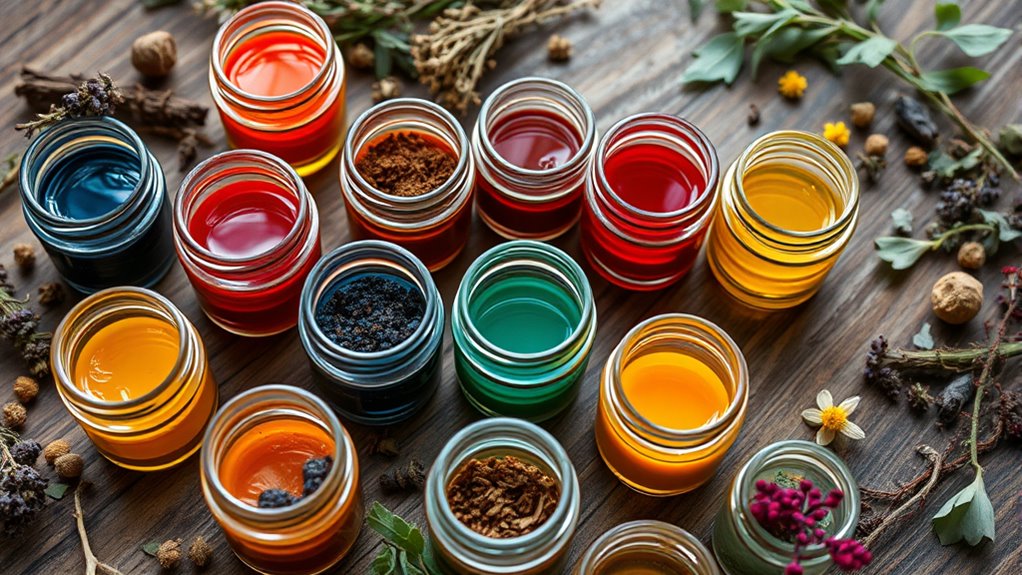
| Natural Botanical Colorants Sampler #2 for Soap Making, Cosmetics, and Textiles |  | Best for Versatility and Color Variety | Contents: 18 powders, clays, herbs | Uses: Soap, cosmetics, textiles, crafts | Ingredients: Indigo, walnut, charcoal, lemongrass, aloe, madder root, lavender, hibiscus, blue clay, annatto, Himalayan pink salt, rose petals, paprika, rosemary, alfalfa, mustard, pumpkin, ginger | VIEW ON AMAZON | See Our Full Breakdown |
| Fabric Tie Dye Kit – Olive Green, Sunflower Yellow, Turkey Red |  | Best for Quick, Vibrant Fabric Dyes | Colors: Olive Green, Sunflower Yellow, Turkey Red | Includes: Apron, tablecloth, gloves, elastic bands, instructions | Suitable Fabrics: Cotton, linen, silk, canvas | VIEW ON AMAZON | See Our Full Breakdown |
| Tulip One-Step Tie-Dye Kit Desert Set |  | Best for Beginners and Easy, Vibrant Projects | Number of Colors: 8 | Suitable Fabrics: Cotton, rayon, silk | Projects Included: Up to 12 | VIEW ON AMAZON | See Our Full Breakdown |
| natural dye kits with plant extract | Suitable Fabrics | Includes | Dye Type |
|---|---|---|---|
| Indigo & Shibori Natural Dye K | Cotton, linen, silk | Indigo pigment, activation agents, gloves, cotton bandana, clamps, instructions | — |
| Natural Botanical Colorants Sa | — | — | — |
| Fabric Tie Dye Kit | Cotton, linen, silk, canvas | Apron, tablecloth, gloves, elastic bands, instructions | Plant-based, one-step |
| Tulip One-Step Tie-Dye Kit Des | Cotton, rayon, silk | — | One-step, natural shades |
More Details on Our Top Picks
Indigo & Shibori Natural Dye Kit
This kit stands out for its comprehensive nature, including indigo pigment, activation agents, and accessories for creating durable, patterned fabrics. Its ability to produce a reusable dye vat that stays viable for weeks makes it suitable for ongoing projects. Compared with the dye sampler, it offers a more specific focus on indigo, making it a better choice for those interested in shibori or traditional dyeing techniques. However, the process requires patience, as it involves waiting 24 hours for vat maturation and additional equipment like buckets and hot water. This limits its convenience for casual users or quick projects. Overall, this kit suits those willing to invest in a more involved process for authentic indigo results.
Pros:- Complete set with high-quality ingredients
- Reusable dye vat for multiple projects
- Suitable for beginners and intermediate dyers
Cons:- Requires extra equipment like buckets and hot water
- Dyeing process involves a 24-hour waiting period
- Limited to natural fabrics with open weave
Best for: Dyers interested in authentic indigo textiles and patterned designs
Not ideal for: Casual crafters seeking quick results or those with limited space for additional equipment
- Includes:Indigo pigment, activation agents, gloves, cotton bandana, clamps, instructions
- Dyeing Capacity:Up to 5 lbs of fabric or a dozen garments
- Preparation Time:24 hours for vat maturation
- Suitable Fabrics:Cotton, linen, silk
- Reusable Vat:Yes
- Project Type:Textile dyeing with patterning
Our verdict“A versatile, detailed kit best suited for users committed to mastering indigo dyeing.”
Natural Botanical Colorants Sampler #2 for Soap Making, Cosmetics, and Textiles
This sampler set offers a wide array of 18 plant-based powders, clays, and herbs, making it an excellent choice for those who want to experiment across multiple crafts. Compared with the Indigo & Shibori Kit, this set provides less focus on a single dyeing technique but excels in versatility—suitable for soap, cosmetics, and textile projects alike. The natural ingredients ensure eco-friendliness and purity, appealing to eco-conscious crafters. The main tradeoff is that colors can vary depending on the application and material, and the small sampler sizes limit extensive testing. Some botanicals may stain or require careful handling, making it less suitable for absolute beginners without experience with plant-based powders.
Pros:- Includes a diverse range of natural colorants
- Made from pure, plant-based ingredients
- Suitable for both beginners and experienced crafters
Cons:- Colors vary depending on application
- Limited amount per set for extensive use
- Some botanicals may stain or require careful handling
Best for: Artists and crafters seeking a broad palette for multiple projects
Not ideal for: Those wanting a dedicated dyeing kit for textiles or quick results
- Contents:18 powders, clays, herbs
- Uses:Soap, cosmetics, textiles, crafts
- Ingredients:Indigo, walnut, charcoal, lemongrass, aloe, madder root, lavender, hibiscus, blue clay, annatto, Himalayan pink salt, rose petals, paprika, rosemary, alfalfa, mustard, pumpkin, ginger
- Form:Sampler set
- Size:Small portions for testing
- Eco-Friendly:Yes
Our verdict“A flexible, all-in-one set perfect for experimentation but less for large-scale projects.”
Fabric Tie Dye Kit – Olive Green, Sunflower Yellow, Turkey Red
This kit makes dyeing fast and accessible, especially for beginners. It includes three vibrant, long-lasting plant-based colors, designed for easy application on various fabrics. Compared with the Indigo & Shibori Kit, it offers less control over dyeing techniques but excels in delivering quick, bright results suitable for home projects or parties. The all-in-one package simplifies the process, but the color palette is limited to three shades, which may be restrictive for those seeking more variety. It’s ideal for casual users who want vibrant, eco-friendly dyes without fuss, but not for those interested in complex patterns or extensive color mixing.
Pros:- Vibrant, long-lasting colors
- Easy to use with minimal setup
- Suitable for a variety of fabrics
Cons:- Limited to three colors
- Not ideal for complex designs or color mixing
- Primarily for fabric projects
Best for: Home crafters and beginners seeking quick, colorful fabric projects
Not ideal for: Dyers wanting detailed control or a broader color palette
- Colors:Olive Green, Sunflower Yellow, Turkey Red
- Includes:Apron, tablecloth, gloves, elastic bands, instructions
- Suitable Fabrics:Cotton, linen, silk, canvas
- Dye Type:Plant-based, one-step
- Projects:Multiple, quick results
- Washable:Yes
Our verdict“A straightforward, vibrant kit perfect for quick projects and casual use.”
Tulip One-Step Tie-Dye Kit Desert Set
This kit offers a simple, one-step dyeing process with eight earthy shades, making it perfect for beginners or casual crafters. Its design emphasizes ease of use—just add water, shake, and dye—without complicated preparations. Compared with the other kits, it produces vibrant, fade-resistant results on natural fabrics like cotton, rayon, and silk, and is suitable for up to 12 projects. The main tradeoff is that colors can appear darker on damp fabric, and it’s limited to natural fiber fabrics for optimal results. While it’s less versatile for intricate or pattern-based dyeing, this kit shines for quick, colorful, and durable fabric projects.
Pros:- Easy-to-use with minimal effort
- Vibrant, fade-resistant colors
- Suitable for multiple projects on natural fabrics
Cons:- Colors may appear darker when damp
- Limited to natural fiber fabrics
- Fewer color options (8 shades)
Best for: Beginners wanting simple, vibrant, and fade-resistant dyeing on natural fabrics
Not ideal for: Advanced dyers or those seeking extensive color options or complex patterns
- Number of Colors:8
- Suitable Fabrics:Cotton, rayon, silk
- Projects Included:Up to 12
- Dye Type:One-step, natural shades
- Washability:Machine washable
- Color Range:Earth tones
Our verdict“A beginner-friendly, quick-dyeing kit with reliable, vibrant results for natural fabrics.”

How We Picked
Our selections focus on products that use plant extracts for natural dyeing, prioritizing versatility, ease of use, and project suitability. We evaluated the quality of ingredients, user-friendliness, and the breadth of applications—from textiles to cosmetics. Price point and kit completeness also factored into our choices, ensuring each option offers good value for its intended use. We compared how well each kit balances beginner friendliness with professional potential, while also noting any limitations like color range or equipment needs.
| natural dye kits with plant extract | Includes | Suitable Fabrics | Dye Type |
|---|---|---|---|
| Indigo & Shibori Natural Dye K | Indigo pigment, activation agents, gloves, cotton bandana, clamps, instructions | Cotton, linen, silk | — |
| Natural Botanical Colorants Sa | — | — | — |
| Fabric Tie Dye Kit | Apron, tablecloth, gloves, elastic bands, instructions | Cotton, linen, silk, canvas | Plant-based, one-step |
| Tulip One-Step Tie-Dye Kit Des | — | Cotton, rayon, silk | One-step, natural shades |
Factors to Consider When Choosing Natural Dye Kits With Plant Extracts
When selecting a natural dye kit with plant extracts, consider your project scope, experience level, and the types of materials you want to dye. Key factors include the range of colors, ease of use, and whether the kit supports specific techniques like indigo dyeing or simple tie-dyeing. Understanding the ingredients’ purity and the required equipment helps avoid surprises, especially for beginners. Matching the kit’s capabilities with your craft goals ensures satisfying results and minimizes frustration.Project Type and Experience Level
If you’re new to natural dyeing, look for kits that emphasize simplicity and quick results, like the Tulip One-Step Set. For more advanced or traditional techniques, the Indigo & Shibori Kit provides a comprehensive experience but involves more preparation. Textile-specific kits tend to be more focused, while sampler sets like the Botanical Colorants are better for exploration across mediums and colors.
Color Range and Versatility
Some kits prioritize a broad spectrum of shades, such as the Botanical Colorants, which suit those wanting experimentation across crafts. Others, like the Tie-Dye Kit, focus on a few vibrant shades for quick, colorful results. Think about whether you prefer a dedicated color like indigo or a palette of multiple botanicals—your choice impacts how much you’ll need to supplement with additional dyes.
Ease of Use and Equipment Needs
Ease of use varies widely. Kits like the Tulip Set require minimal effort, making them ideal for casual or family projects. Conversely, indigo dyeing demands patience and extra equipment, but offers authentic, long-lasting results. Consider your willingness to handle complex processes versus your desire for straightforward projects when choosing.
Frequently Asked Questions
Are natural dye kits safe for use on skin and clothing?
Most plant-based dyes in these kits are non-toxic and safe for skin contact, especially when used as intended on fabrics. However, some botanicals or powders may stain skin temporarily, so wearing gloves and protective clothing is recommended during application. Always check the ingredients for known allergens or irritants if you have sensitive skin.
Can I use these kits for dyeing other materials besides fabric?
Yes, many of these botanical dyes are suitable for multiple mediums, including paper, wood, and cosmetics, depending on the specific ingredients. The sampler set, in particular, offers versatility across crafts. However, some kits are tailored specifically for textiles, and their effectiveness on other materials may vary, so it’s best to verify compatibility before proceeding.
How long do natural dyes last after being prepared?
Natural dyes, especially indigo, can last for several weeks if stored properly in airtight containers. Reusable vats, like the one in the Indigo & Shibori Kit, can produce multiple dye baths over time, extending their usability. Dyes in powdered form, like those in the sampler set, are stable if kept dry and sealed, but their potency may diminish over years.
Do natural dye kits require mordants or fixatives?
Many plant-based dyes benefit from mordants, which help fix the color to fabric and improve colorfastness. For instance, certain botanicals like madder or indigo may need mordants like alum or iron. Some kits include mordants or instructions for their use, but not all. Always check the product details and consider whether you want to experiment with mordanting for more durable results.
What’s the biggest difference between beginner and advanced natural dye kits?
Beginner kits typically focus on ease of use, with minimal equipment and straightforward instructions, making them suitable for casual or first-time dyers. Advanced kits or techniques often involve more preparation, specialized equipment, and detailed processes like vat maturation or patterning. Your choice depends on how deep you want to go into natural dyeing and whether you’re comfortable with a more involved process.
Conclusion
If you’re new to natural dyeing or want quick, vibrant results, the Tulip One-Step Tie-Dye Kit offers an easy and fun way to experiment on fabrics. For those interested in traditional indigo dyeing with a reusable vat, the Indigo & Shibori Kit provides a comprehensive, authentic experience. Crafters seeking a wide variety of plant-based colors for different projects will find the Botanical Colorants Sampler most suitable. Advanced dyers focused on textile arts may prefer specialized kits like the Indigo & Shibori set, while casual hobbyists will appreciate the simplicity of the Tie-Dye Kit. Each option balances ease, versatility, and scope, so your choice should align with your craft goals and experience level.
Halloween Picks
halloween
As an affiliate, we earn on qualifying purchases.