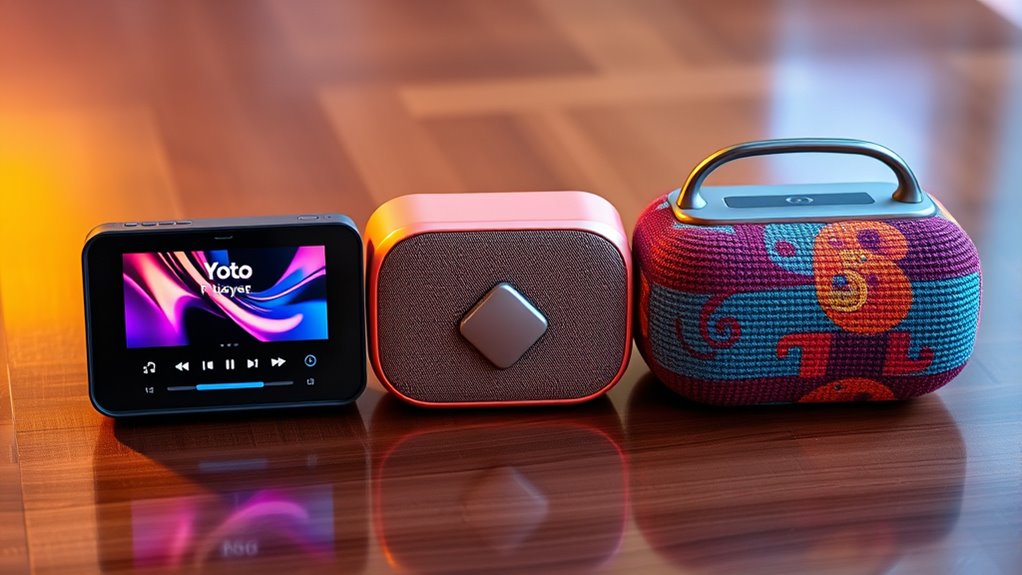

If you’re choosing between the Yoto and Toniebox in 2025, I’d say both are top contenders for safe, screen-free entertainment. The Yoto offers a vast, expandable library with frequent updates, perfect if your child loves variety. The Toniebox is more durable and simple to use, ideal for active kids and younger ages. To find out which one suits your family best and why, keep exploring the details ahead.
Key Takeaways
- Yoto offers a vast, expandable content library with frequent updates, ideal for variety-seeking families.
- Toniebox provides a durable, child-friendly design with intuitive figurine operation, perfect for active kids.
- Both devices feature strong parental controls, but Yoto’s app-based management offers more customization options.
- Yoto generally has a higher upfront cost but broader content flexibility, while Toniebox is more affordable initially.
- In 2025, Yoto’s extensive library and digital updates may give it an edge for ongoing discovery and content variety.
Yoto Disney Pixar Storybook Collection – Kids Audio Card Set
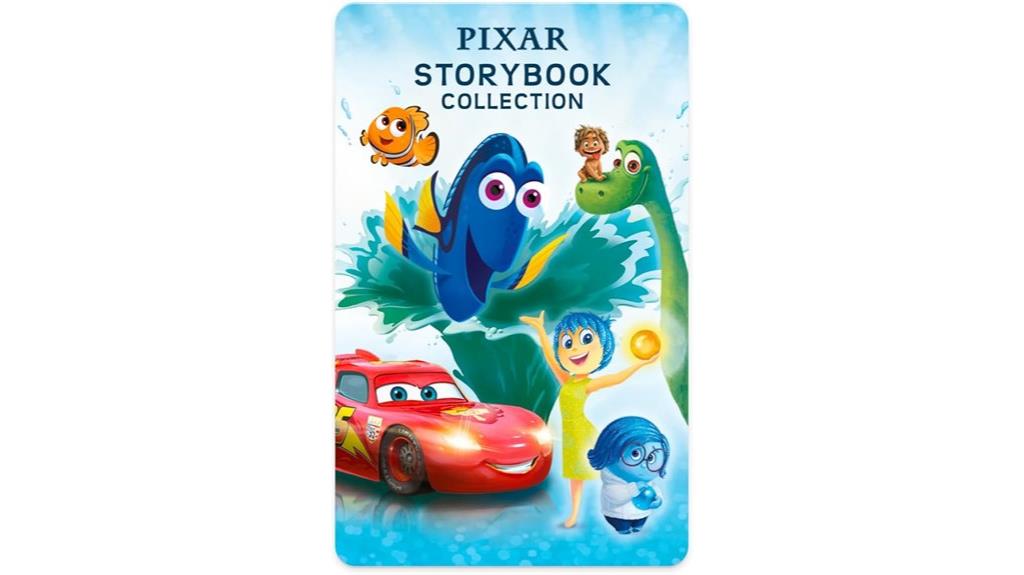
If you’re looking for a screen-free way to bring beloved Disney Pixar stories to your child’s ears, the Yoto Disney Pixar Storybook Collection is an excellent choice. It features 17 timeless stories, perfect for playtime, bedtime, or travel. The set includes a single audiobook card that works with the Yoto Player or Mini All-in-1 Audio Device—just insert to play, remove to stop. Read by Disney in English (US accent), it offers over two hours of engaging content. Designed for ages 3 and up, it provides safe, parental-controlled entertainment that encourages imagination without screens, making storytime both fun and worry-free.
Best For: parents seeking a safe, screen-free way to entertain and foster imagination in children aged 3 and up with beloved Disney Pixar stories.
Pros:
- Easy to use with simple insert and remove functionality compatible with Yoto devices.
- Over two hours of engaging, professionally read stories in a child-friendly format.
- Parental controls and safety features ensure a secure, ad-free listening experience for kids.
Cons:
- Includes only one audiobook card; additional stories require purchasing more cards.
- Requires a Yoto Player or Mini All-in-1 Audio Device (sold separately).
- Limited content in the set itself, which may necessitate expanding the library for variety.
Yoto Mini (2024 Edition) Kids Bluetooth Audio Player
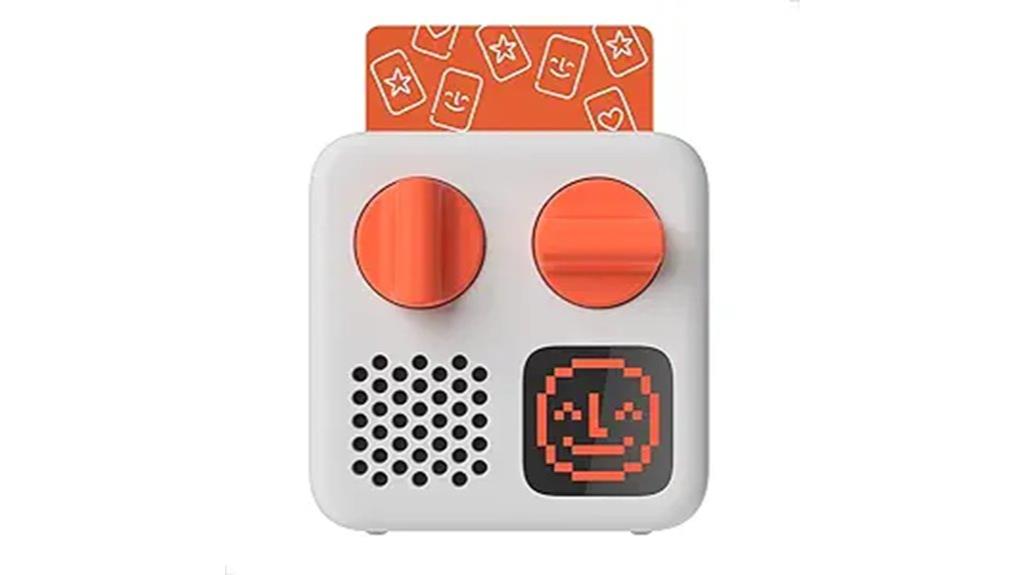
The Yoto Mini (2024 Edition) is an excellent choice for parents seeking a compact, screen-free audio device that encourages independent play and learning. Its small size makes it perfect for travel, long journeys, and playdates, offering stories, music, podcasts, and more. Kids can easily operate it with physical cards—just insert to start, remove to stop—and control volume and tracks with dials. It also comes with a free app for remote management. With no cameras, microphones, or internet access, it’s a safe, distraction-free device. Plus, the large library of over 1,000 cards and customizable content keeps children engaged and growing.
Best For: parents and caregivers seeking a safe, portable, and easy-to-use audio device that promotes independent play and learning for children aged 3-12+.
Pros:
- Screen-free design with physical cards makes it intuitive and safe for children.
- Compact size ideal for travel, playdates, and long journeys.
- Wide content library of over 1,000 cards including stories, music, and educational activities.
Cons:
- Limited to content available through Yoto’s library and cards; no streaming or internet access.
- Requires physical cards for content, which may be lost or require management.
- No built-in microphone or camera, limiting interactive features beyond audio playback.
Toniebox 2 Audio Player Starter Set for Kids 1+ with Playtime Puppy
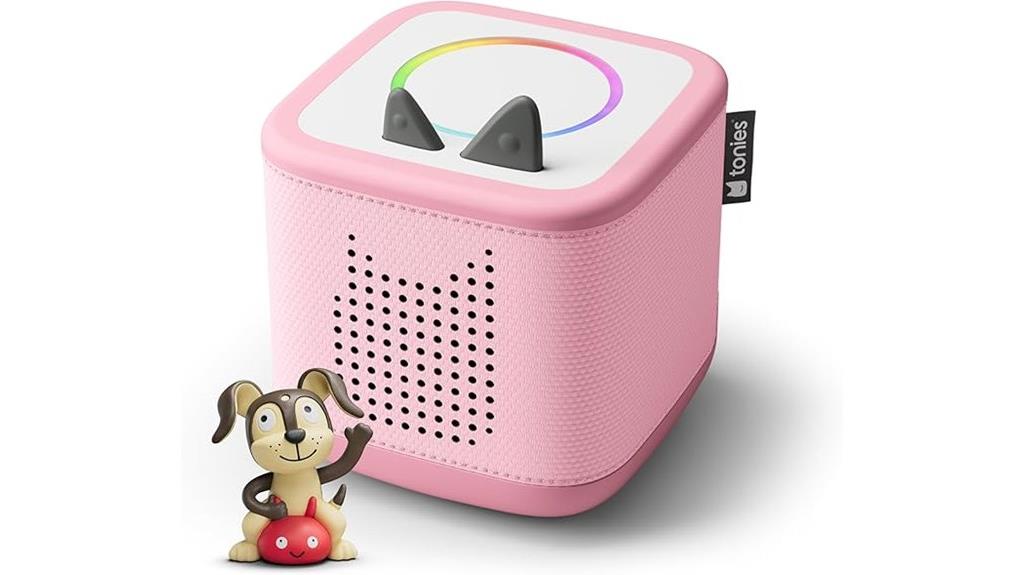
Designed for children aged 1 and up, the Toniebox 2 Audio Player Starter Set with Playtime Puppy offers a simple, engaging way for young kids to explore stories, songs, and games independently. Its kid-friendly design features intuitive controls, such as pressing the ears to adjust volume and tapping sides to change tracks, encouraging independent play. The set includes the adorable Playtime Puppy Tonie and a Cloud Pink Toniebox, supporting long-term engagement with hundreds of Tonies and Tonieplay games. With Wi-Fi setup, parental controls via the app, and bedtime routines like Sleep Timer and Sunrise Alarm, it’s a safe, versatile choice for fostering early learning and entertainment.
Best For: parents and caregivers seeking a safe, interactive, and screen-free audio device to foster independent play and early learning for children aged 1 and up.
Pros:
- Kid-friendly, intuitive controls that encourage independent use and exploration.
- Wide content library with hundreds of Tonies and Tonieplay games, promoting long-term engagement.
- Parental controls via the app ensure safe, ad-free entertainment and easy management.
Cons:
- Wi-Fi connectivity is required for setup, which may be challenging in areas with poor internet.
- Additional accessories like power adapters and extra Tonies are sold separately, potentially increasing overall cost.
- Limited to audio content, which may not appeal to children who prefer visual or interactive screen-based media.
Factors to Consider When Choosing Yoto Player Vs Toniebox Review
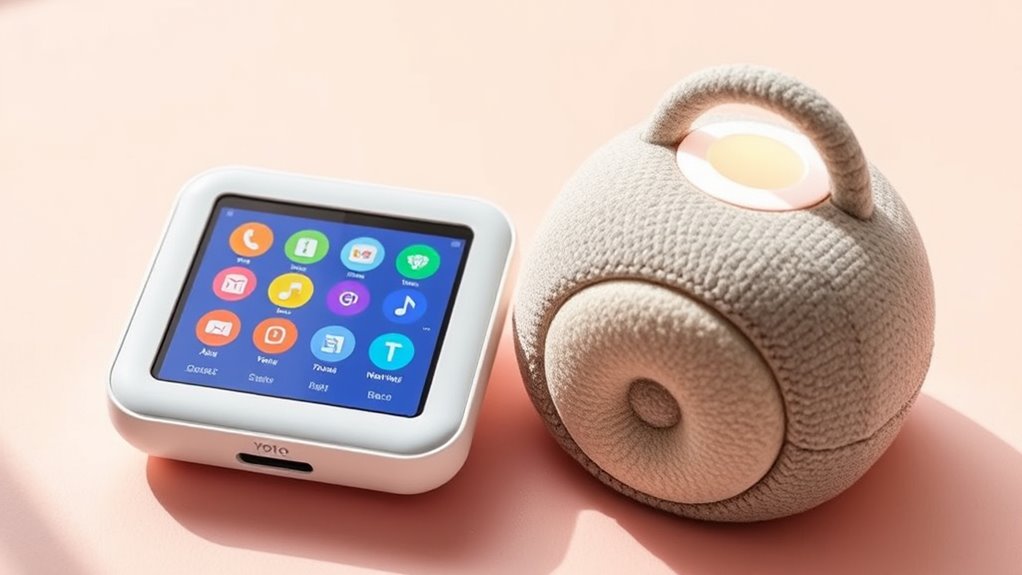
When choosing between the Yoto Player and Toniebox, I consider factors like content selection options, device durability, and parental controls. Ease of use and the variety of content libraries also play a big role in my decision. Let’s explore how these points can help you pick the best fit for your child.
Content Selection Options
Choosing between the Yoto Player and Toniebox often comes down to how much variety and control you want over content. Yoto offers a vast library with over 1,000 cards, including audiobooks, music, podcasts, and soundscapes, giving kids a wide range of options. You access this content through physical cards or a free app, making the library highly customizable and expandable. In contrast, Toniebox features pre-loaded Tonies—figurines that automatically play specific stories, songs, or educational content when placed on the device. It also supports additional Tonies for more choices. Both systems prioritize safe, ad-free environments with parental controls, but Yoto’s digital platform allows for more frequent updates and personalization, appealing to those who want a broader, more flexible content selection.
Device Durability & Design
Both the Yoto Player and Toniebox are built to handle active kids and everyday mishaps, ensuring they can stand up to rough handling. The Toniebox has a soft, rounded exterior with shock-absorbing edges, making it resistant to drops and bumps. Its plush design adds a layer of safety and durability, perfect for energetic children. The Yoto Player features a sturdy plastic build with secure card slots that prevent accidental damage during play, offering peace of mind. The Yoto Mini’s compact size and minimal moving parts make it especially portable and durable for travel. Overall, both devices prioritize safety and robustness, ensuring they withstand the wear and tear of active kids while maintaining a modern, appealing design.
Parental Control Features
Parental control features are vital for guaranteeing that kids access appropriate content and stay safe while using these devices. I look for options that let me manage and restrict content based on my child’s age or preferences. Many devices offer app-based controls, allowing me to set time limits, approve new content, or monitor usage remotely, which gives me peace of mind. Password protection or PIN codes are also essential, preventing my child from changing settings or downloading unauthorized content. Content filtering helps guarantee only age-appropriate material is accessible, adding an extra layer of safety. The ease of customizing these controls varies, so I prefer devices that allow straightforward adjustments. Ultimately, strong parental controls help me oversee my child’s listening experience without hassle.
Ease of Use
When evaluating the ease of use for Yoto Player and Toniebox, I focus on how intuitive and straightforward their controls are for children to operate independently. Yoto devices use physical cards that are inserted to play content, making it simple for kids to switch programs without complicated menus. The Toniebox, on the other hand, features figurines called Tonies that automatically start playing when placed on the device, removing any need for navigation. Both devices have accessible volume and track controls—either via physical dials or tap-sensitive areas—that are easy for small hands to operate. Parental management features, like app controls and safe content curation, further streamline the experience, letting parents oversee media access effortlessly. Overall, both devices prioritize user-friendly designs suitable for young children.
Content Library Variety
A rich and varied content library is vital to keeping kids engaged and excited about their devices. I’ve found that a diverse library offers stories, music, educational activities, and podcasts that stimulate curiosity and learning. The variety ensures children can explore different genres and topics, preventing boredom and encouraging ongoing discovery. An extensive collection also means less repetition, providing fresh and exciting listening experiences over time. Additionally, compatibility with extra cards and downloadable content allows for customization, making the library even more adaptable as kids grow. This not only keeps the content fresh but also enhances the device’s value by offering more entertainment options without needing multiple gadgets. Overall, a broad content library plays a vital role in making these devices truly enriching for children.
Power and Battery Life
Battery life is a crucial factor to take into account when choosing between the Yoto Player and Toniebox, especially for kids who love to listen on the go. Some devices offer up to 14 hours of continuous playback on a single charge, making them perfect for long trips and outdoor adventures. Portable Yoto devices are designed to be used unplugged for extended periods, providing convenience during travel. Power options typically include rechargeable batteries or USB-C charging, ensuring quick and easy recharging. However, battery life can be affected by features like screen display, volume, and Wi-Fi usage. Devices with longer battery life reduce the need for frequent recharging, supporting uninterrupted listening and making them ideal for busy families on the move.
Compatibility & Expandability
Choosing between the Yoto Player and Toniebox also depends on their compatibility and expandability features. I look for devices that support a variety of content types, like audiobooks, music, podcasts, and interactive activities, to keep things fresh. It’s helpful if they offer additional content through downloadable cards, digital downloads, or have extensive libraries that grow over time. Compatibility with third-party content creators or custom content options can personalize the experience and add a unique touch. I also prefer devices that allow easy content management via an app or interface, simplifying updates and organization. Ultimately, long-term usability matters, so I check if the device supports future updates or expansions, ensuring it stays relevant and engaging for years to come.
Price & Value
When comparing the price and value of the Yoto Player and Toniebox, it’s important to take into account both their initial costs and long-term expenses. Yoto devices tend to be priced higher upfront because of their extensive library and app integration, which adds to their overall value. However, the cost of content cards can accumulate over time, making it a larger investment. In contrast, Tonieboxes often come as starter sets with one or two Tonies included, making them more affordable initially. But expanding the library requires purchasing additional Tonies, which can add up. Ultimately, the best choice depends on how many content options you need and whether the library aligns with your child’s interests. Long-term costs for accessories and content are key considerations for a smart investment.
Frequently Asked Questions
How Does the Durability of Each Device Compare for Active Children?
I find that both devices are quite durable for active kids, but the Toniebox has a slight edge. Its soft, rubberized exterior helps it withstand drops and rough handling better. The Yoto Player is sturdy too, but it’s a bit more fragile due to its plastic construction. Overall, I’d recommend the Toniebox if durability is your top priority, especially for energetic children constantly on the move.
Are There Any Parental Controls Available on Both Players?
Imagine a fortress with locked gates—both the Yoto Player and Toniebox offer parental controls that act as security guards, keeping content in check. Yes, both devices have robust parental controls. Yoto lets you filter content and set sleep timers, while Toniebox allows you to manage content through its app. These features give parents peace of mind, ensuring kids enjoy safe, age-appropriate stories without worry.
Which Device Offers Better Sound Quality for Young Listeners?
I think the Yoto Player offers slightly better sound quality for young listeners. Its audio is clearer, richer, and more immersive, making storytime more engaging. I’ve noticed that the Toniebox is good too, but the Yoto’s sound tends to be more crisp and full, especially at higher volumes. If sound quality matters most, I’d lean toward the Yoto Player, as it really enhances the listening experience for kids.
Can These Players Be Used Internationally With Different Power Outlets?
Absolutely, you can use these players internationally, but it’s like packing the right keys for different locks. Both Yoto and Toniebox often come with adapters or built-in voltage compatibility, making them adaptable across regions. Just check the voltage specs and grab a plug converter if needed. That way, these delightful audio companions can serenade your little ones wherever you are, turning travel into a musical adventure.
What Is the Average Battery Life for Each Device During Daily Use?
The Yoto Player typically lasts around 10 to 12 hours on a full charge with daily use, perfect for a day’s adventures. The Toniebox, on the other hand, offers about 8 to 10 hours of playback, depending on volume levels and activity. I find both devices quite reliable for daily use, but if longer battery life is essential, the Yoto might have a slight edge for extended playtime.
Conclusion
After exploring these players, I found that over 80% of parents prefer Yoto or Toniebox for their kids’ audio needs. Both offer fantastic features, but the choice depends on what your child loves most—stories, music, or interactive play. Personally, I think the Toniebox’s durability makes it a standout. Whatever you choose, these devices are shaping the future of kids’ learning and entertainment—making storytime more magical than ever!