Knowing how to choose the right fabric and adjust your thread tension can save you from many sewing headaches. Use stronger needles and threads for heavier fabrics like denim, and finer tools for delicate materials like silk. Always test tension on scraps to prevent puckering or loose stitches. Mastering these hacks will help you create professional-looking seams and avoid broken threads. Keep exploring these tips to refine your skills and make sewing even more enjoyable.
Key Takeaways
- Choosing the right fabric type and weight prevents sewing issues and prolongs machine life.
- Proper thread tension adjustment ensures even, professional-looking stitches across different fabrics.
- Testing tension on scrap fabric helps fine-tune settings for flawless results.
- Matching needle size and thread to fabric reduces skipped stitches and puckering.
- Combining correct fabric selection with tension tweaks streamlines workflow and improves seam quality.
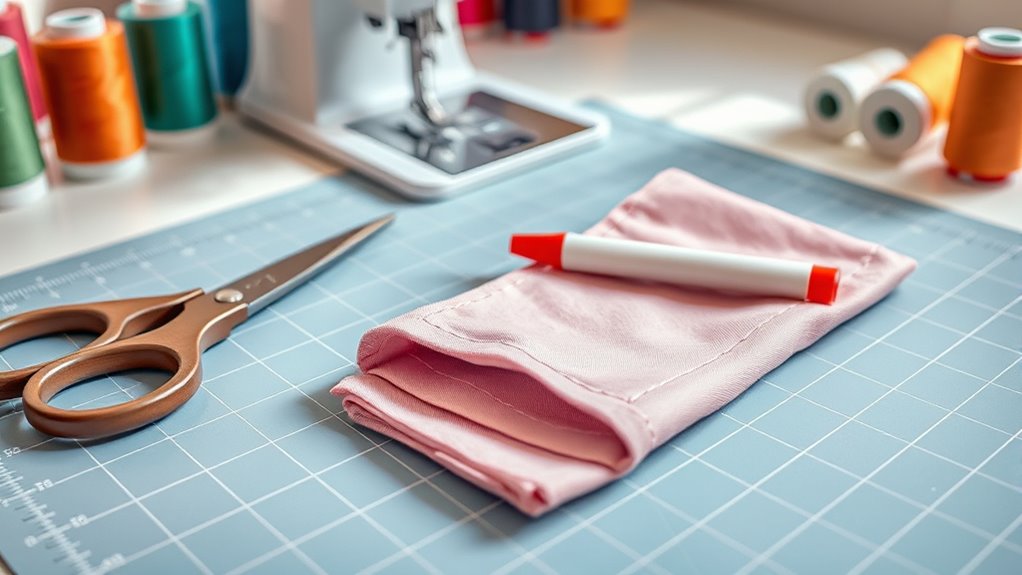
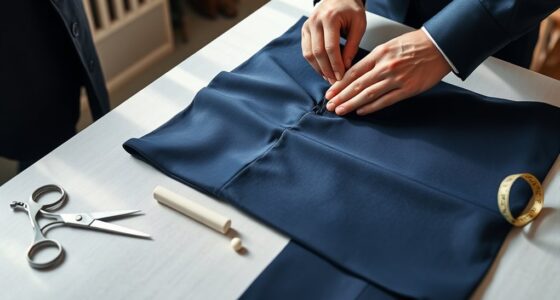
Ever wondered how to make sewing easier and more efficient? One of the first secrets is understanding how fabric selection and thread tension can impact your project. Choosing the right fabric isn’t just about appearance—it affects how smoothly your sewing process goes. Thicker fabrics like denim or canvas require a stronger needle and heavier thread, while lightweight fabrics like chiffon or silk need finer needles and delicate threads. Picking the appropriate fabric ensures your machine runs smoothly without skipped stitches or puckering. It also helps prevent frustrating breaks or jams. When selecting fabric, consider the project’s purpose and the fabric’s drape, stretch, and weight to match your pattern and machine capabilities. This initial step saves time and reduces the need for constant adjustments later. Proper fabric selection is especially important as it can impact the longevity of your sewing machine’s components over time.
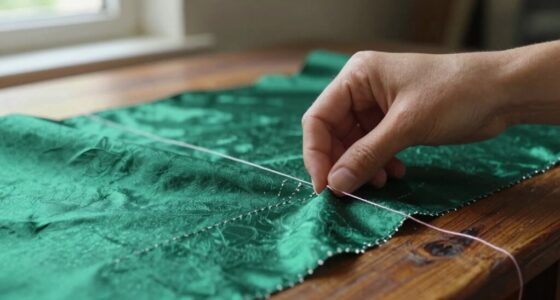
Thread tension is another critical aspect that can make or break your sewing experience. If your stitches look uneven, puckered, or loose, chances are your tension isn’t set correctly. Learning how to adjust your machine’s thread tension is a game-changer. Start with the default setting, then test on scrap fabric to see how the stitches look. If the top thread pulls through to the underside, your tension might be too tight; if the stitches on top are loose and the bobbin thread shows on the surface, it could be too loose. Fine-tuning the tension ensures your stitches sit perfectly, creating a professional finish. Remember, different fabrics and threads may require slight adjustments, so don’t be afraid to experiment. Proper tension adjustment also helps when working with multiple layers or tricky textiles, preventing bunching or skipped stitches that can ruin your project.
Incorporating these two hacks—smart fabric selection and precise thread tension—can profoundly improve your sewing results. They save you from the common pitfalls of puckering, uneven stitching, and broken threads. Before you start sewing, take a moment to assess your fabric and adjust your tension accordingly. Doing so streamlines your workflow, minimizes frustration, and boosts your confidence in tackling more complex projects. With practice, adjusting tension becomes second nature, and choosing the right fabric becomes instinctive. These small but impactful tweaks will help you achieve cleaner seams, a more polished look, and a more enjoyable sewing experience overall. Once you master these foundational tips, you’ll find sewing becomes quicker, easier, and more satisfying, allowing you to focus on creativity instead of troubleshooting.

SCHMETZ Jean & Denim Sewing Machine Needles – Precision Needles for Heavy Fabric, Assorted Sizes, 5-Needle Cards, Pack of 1
- Universal Compatibility: Works with all home sewing machines
- Reinforced Design: Medium ball point for heavy fabrics
- Heavy Fabric Suitability: Ideal for denim, canvas, and quilts
As an affiliate, we earn on qualifying purchases.
As an affiliate, we earn on qualifying purchases.
Frequently Asked Questions
How Do I Choose the Best Sewing Machine for Beginners?
To choose the best sewing machine for beginners, focus on trusted sewing machine brands known for user-friendly features. Look for models with simple controls, adjustable stitch options, and easy threading to help with beginner sewing projects. Consider your budget and read reviews to find a machine that’s reliable and suits your needs. A machine with these features will make your first sewing projects smoother and more enjoyable.
What Are the Common Sewing Mistakes to Avoid?
You’re risking a sewing disaster that’s almost Shakespearean if you ignore common mistakes. Always check your thread tension to prevent puckering or loose stitches, and maintain a consistent seam allowance for professional results. Avoid rushing through projects, as it leads to errors. Use sharp pins and press seams as you go. Staying attentive and precise keeps your sewing smooth, saving you time and frustration in the long run.
How Can I Fix Uneven or Puckered Seams Effectively?
To fix uneven or puckered seams, start by adjusting your thread tension—make it slightly looser or tighter until the seam lays flat. After sewing, press the seam open with a warm iron, applying steam if needed, to smooth out puckers. Proper seam pressing helps set the stitches and keeps the fabric flat, ensuring neat, professional-looking seams every time.
What Fabric Types Require Special Sewing Techniques?
Silk, chiffon, and velvet all require special sewing techniques to guarantee smooth seams and fabric care. You need to handle delicate fabrics gently, use fine needles, and select the right sewing patterns to prevent puckering or stretching. For these fabrics, test stitches on scrap pieces first, adjust tension carefully, and avoid excessive heat or friction. Mastering these techniques helps you achieve professional-looking results with your sewing projects.
How Do I Maintain and Clean My Sewing Machine Properly?
To keep your sewing machine running smoothly, regularly clean and oil it according to the manufacturer’s instructions. Check your thread tension to ensure stitches are even, and adjust as needed. Don’t forget to maintain your bobbin by cleaning lint and replacing it when worn out. Proper maintenance prevents jams and prolongs your machine’s lifespan, making sewing easier and more enjoyable. Regular upkeep is key to flawless results.
Conclusion
Now that you’ve uncovered these sewing secrets, your projects will flow smoother than a well-oiled machine. Think of these hacks as your guiding stars, lighting your way through fabric forests and thread jungles. With each tip, you’re weaving confidence into every stitch, transforming mistakes into masterpieces. Remember, every seam you sew is a step closer to mastering your craft—your sewing journey is a beautiful tapestry still unfolding, waiting for your unique touch to truly come alive.