Pre-washing fabric is essential to prevent shrinkage, color bleeding, and texture changes after finishing your garment. You should wash your fabric according to its fiber type, using gentle cycles for delicate textiles and hotter water for sturdier ones, then air dry to avoid additional shrinking. This process helps you see how the fabric reacts, making your sewing project more accurate and lasting longer. Keep exploring to discover detailed tips for effective pre-washing and fabric handling.
Key Takeaways
- Pre-wash fabric to prevent shrinking, color bleeding, and texture changes after sewing.
- Use appropriate methods based on fabric type, such as gentle cycles for delicate textiles.
- Pre-wash helps reveal fabric flaws and ensures accurate yardage for your project.
- Washing relaxes and softens fabrics, making them easier to handle and sew accurately.
- Air dry fabrics to avoid additional shrinkage and preserve their pre-washed condition.
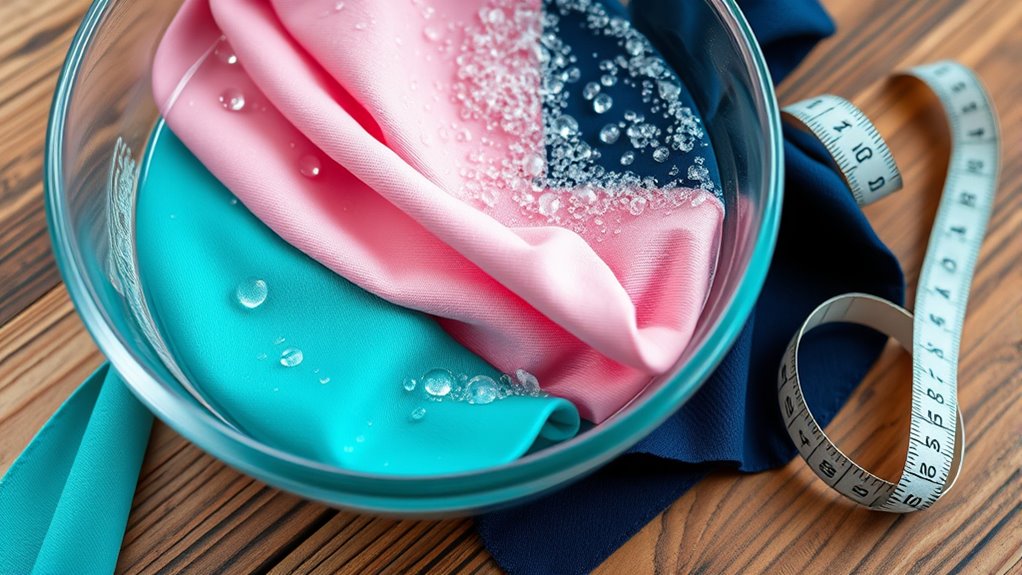
Pre-washing fabric is an essential step to guarantee your finished garment looks great and lasts longer. When you’re preparing to sew, understanding the importance of fabric care and sewing preparation can make a significant difference in the final result. Fabric can behave unpredictably after washing, so pre-washing helps you account for potential shrinkage, color bleeding, and texture changes. It’s a simple yet vital step that saves you from disappointment and ensures that your project maintains its quality over time.
Pre-washing fabric ensures your finished garment stays beautiful and durable over time.
Before you start sewing, you should always consider the type of fabric you’re working with. Different fabrics require different pre-washing techniques. For example, natural fibers like cotton or linen tend to shrink more than synthetic fibers such as polyester. By washing your fabric beforehand, you can see how it reacts to water and heat, giving you a clear idea of how it will behave once the garment is finished. This step is especially important for projects that involve multiple fabric types or delicate textiles, where unexpected shrinking or distortion could ruin the entire piece.
In addition to preventing future surprises, pre-washing enhances your overall fabric care. When fabric is washed prior to sewing, you remove excess dyes, chemicals, and finishes that may interfere with sewing or cause discoloration over time. It also allows you to inspect the fabric for flaws or irregularities, such as tears or inconsistencies, which you can then address before cutting your pattern pieces. Proper sewing preparation through pre-washing also helps you determine the right amount of fabric to buy, especially if you’re working with limited yardage. This way, you avoid running short or ending up with unusable leftover scraps.
Another benefit of pre-washing is that it can improve the fabric’s handling and sewing performance. For instance, some fabrics become softer and more pliable after washing, making them easier to work with and seam. Conversely, certain stiff fabrics may become more manageable once they’re pre-shrunk and relaxed. This preparation step also minimizes the risk of puckering, stretching, or distortion during construction, resulting in cleaner, more professional-looking finished garments.
To pre-wash effectively, follow the care instructions specific to your fabric. Use gentle cycles for delicate textiles and hotter water for sturdier cottons or linens, if the fabric permits. Always dry the fabric as recommended—air drying is often safest to avoid additional shrinkage. By incorporating these fabric care practices into your sewing routine, you set a solid foundation for your project, ensuring your hard work pays off with a well-made, durable garment.
KKJIAF 1 Yard Black Cotton Fabric 61 Inch Wide for DIY Crafts
- Breathable Cotton Material: Made from high-quality, breathable cotton
- Soft and Comfortable: Gentle, soft, and durable cotton fabric
- Ideal for DIY Projects: Easy to cut, sew, and craft for various uses
As an affiliate, we earn on qualifying purchases.
As an affiliate, we earn on qualifying purchases.
Frequently Asked Questions
How Do I Choose the Right Washing Method for Delicate Fabrics?
You should choose a gentle washing method for delicate fabrics, such as hand washing or using a delicate cycle on your machine. Use cold water to prevent damage, and add fabric softening to keep fibers soft and flexible. For stain removal, avoid harsh chemicals; instead, gently treat spots beforehand. Always check fabric care labels to make sure you’re selecting the safest method that maintains the fabric’s quality and appearance.
Can Pre-Washing Cause Color Bleeding in Certain Fabrics?
Yes, pre-washing can cause color transfer in certain fabrics, especially if they haven’t been colorfastly dyed. When you wash new fabric, the excess dye might bleed onto other materials or lighter areas, leading to uneven color. To prevent this, wash new fabrics separately using cold water and gentle detergents. This process helps remove excess dye, reducing the risk of unwanted color bleeding and ensuring your sewing projects stay vibrant.
How Does Pre-Washing Affect Fabric Shrinkage Over Time?
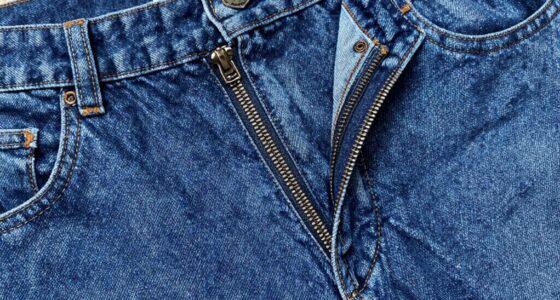
Pre-washing your fabric helps reduce fabric shrinkage over time, especially with materials like denim. You’ll notice improved fabric longevity because pre-washing stabilizes fibers, preventing unexpected shrinking after sewing. This way, your finished projects maintain their shape longer. For denim, pre-washing minimizes shrinkage, ensuring your jeans stay true to size. Overall, pre-washing is a smart step to keep your garments looking great and fitting well for years to come.
Is It Necessary to Pre-Wash Fabric if I Plan to Line My Garment?
If you’re lining your garment, you might skip pre-washing, but it’s better to do fabric preparation first. Pre-washing helps prevent shrinkage and guarantees your lining and outer fabric behave the same over time. It’s a key sewing precaution that avoids surprises after sewing. By washing your fabric beforehand, you maintain consistent size and texture, making your project turn out just as you envision, with fewer adjustments needed later.
What Are the Best Detergents for Pre-Washing Different Fabric Types?
You should choose detergents based on your fabric type, focusing on gentle ingredients like plant-based surfactants for delicate fabrics and stronger formulas for sturdy materials. Look for eco-friendly options with biodegradable ingredients and free from harsh chemicals or optical brighteners. These eco-friendly detergents effectively clean without damaging fibers, helping your fabric retain its shape and color, ensuring your pre-wash is thorough and safe for both you and the environment.
Conclusion
So, next time you’re about to cut into that pristine fabric, remember—pre-washing isn’t just a tedious chore; it’s your secret weapon against future frustration. Ignore it at your peril, and you might find your perfect project turning into a laundry room disaster. Embrace the process, lest your carefully sewn masterpiece shrinks or warps into an unrecognizable relic. After all, a little pre-wash today saves a world of sewing regret tomorrow.