
You can make vintage clothing easier to wear by simple tweaks like adjusting hems or taking in waistlines for a better fit. Repair minor tears to preserve the garment and consider shortening or hemming pants and skirts for comfort. For a snug, vintage-style waist, replace or tighten elastic bands. Handling delicate fabrics gently and using basic tools helps keep your clothes looking their best. Keep exploring for more tips to effortlessly refresh your vintage wardrobe.
Key Takeaways
- Adjust hems and shorten lengths to improve fit and comfort quickly.
- Take in side seams and waistlines for a more tailored, flattering silhouette.
- Reinforce or repair minor tears to maintain garment durability and ease of wear.
- Replace or tighten elastic in waistbands for a snug, vintage-appropriate fit.
- Style with layering or modern accessories to enhance comfort without altering the garment.
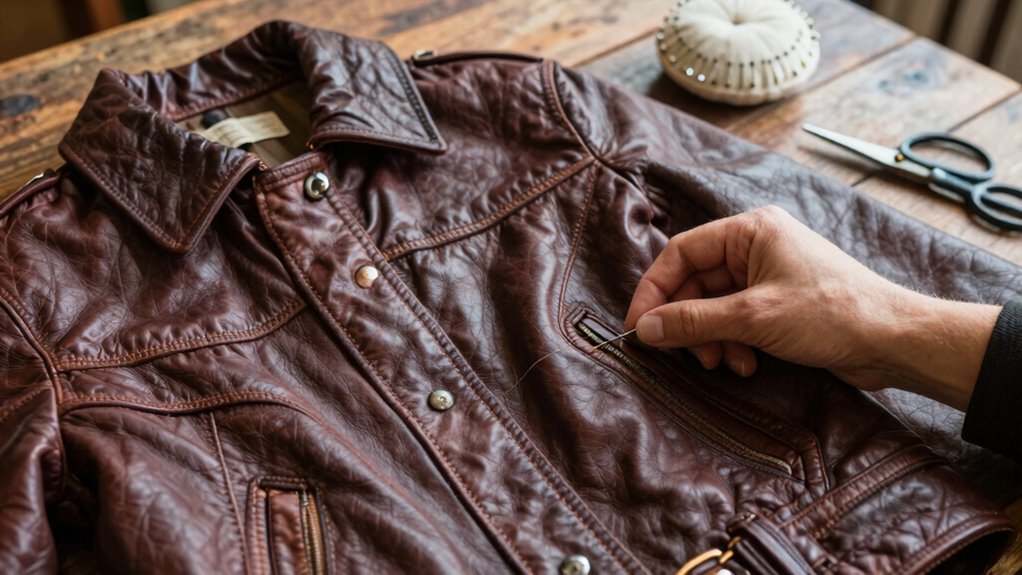
Vintage clothing often requires small tweaks to fit perfectly and look fresh. These simple alterations can make a significant difference in how you feel wearing your favorite pieces. By adjusting hems, taking in waistlines, or repairing minor tears, you guarantee each item stays in great shape and complements your style. When making these tweaks, fabric preservation is vital. Handling delicate fabrics with care prevents unnecessary damage and helps maintain the garment’s original texture and appearance. Use gentle stitches and avoid overly aggressive pulling or stretching. If you’re unsure about working with fragile fabrics like silk or chiffon, consider consulting a professional or practicing on less valuable pieces first.
Small tweaks like adjusting hems and taking in waistlines keep vintage pieces fresh and perfectly fitted.
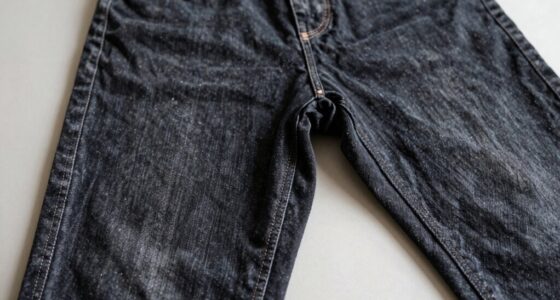
One of the easiest alterations you can do is shortening or hemming pants, skirts, or dresses. This quick fix not only improves fit but also refreshes the overall look, making your vintage finds appear tailored and intentional. To do this, measure carefully, pin the new hemline, and sew with a fine needle to prevent puckering. If you’re not comfortable sewing, fabric tape or iron-on hem adhesive can work temporarily, but for long-lasting results, a hand-stitched hem is preferable. When working with heavier fabrics, like denim or tweed, use a sturdy needle and stronger thread to guarantee durability.
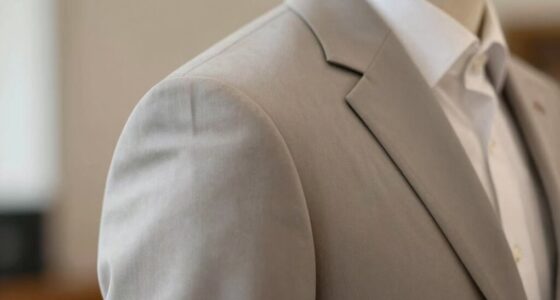
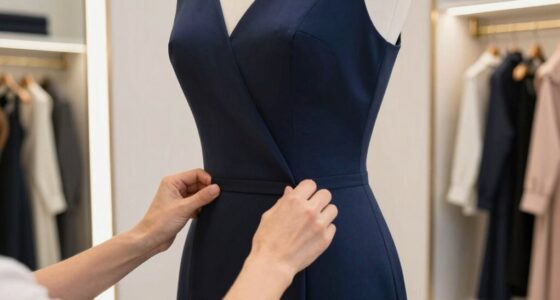
Another simple change involves taking in the sides or waist of a garment. This can dramatically improve the fit, especially for pieces that feel loose or boxy. Pin the excess fabric, try on the piece to check the fit, then sew along the new seam. Remember, small adjustments are often more effective than large ones, so work gradually. For elastic waistbands, replacing or tightening the elastic can provide a snug, comfortable fit while maintaining the vintage charm. Additionally, understanding the importance of biodiversity in fashion can inspire more sustainable choices when caring for your vintage wardrobe. Incorporating sustainable practices in alterations can also extend the lifespan of your garments and reduce waste. Recognizing the different fabric types and their specific needs can help prevent unintended damage during alterations. Being aware of fabric properties helps ensure your modifications are both effective and gentle on the material. Furthermore, selecting appropriate tools and techniques ensures that the fabric’s integrity remains intact during the process.
Styling tips can also enhance your vintage wardrobe without any alterations at all. Layering, accessorizing, or pairing items with modern pieces can update the look instantly. These styling choices draw attention away from minor fit issues and highlight your personal style. Keep in mind, maintaining the fabric’s integrity is essential. When altering vintage clothing, always wash and handle garments gently, avoiding harsh detergents or aggressive cleaning methods that could weaken fibers.
In the end, mastering some basic alterations makes vintage clothing more comfortable, wearable, and stylish. With patience and care, you can preserve the fabric’s quality while giving your favorite pieces a fresh, personalized touch. This way, you not only extend the life of your vintage wardrobe but also make each piece uniquely yours.
As an affiliate, we earn on qualifying purchases.
Frequently Asked Questions
Can I Alter Vintage Clothing Myself Without Sewing Experience?
You can try DIY sewing for simple vintage clothing alterations, but it’s best to start with small, manageable projects like hemming or taking in seams. Watch tutorials and use proper tools to guarantee good results. Remember, alteration safety is key—don’t rush or force stitches. If you’re unsure, consider practicing on scrap fabric first or consulting a professional to avoid damaging your vintage pieces.
What Tools Are Essential for Easy Vintage Clothing Modifications?
Think of your tools as magic wands for transforming vintage pieces. You’ll need a basic sewing kit with needles, thread matching your fabric, scissors, and pins for stitching techniques. A fabric glue or fusible interfacing can help with fabric reinforcement, making adjustments easier and more durable. These tools empower you to make simple vintage modifications confidently, turning each piece into a perfect fit while preserving its charm.
How Do I Determine the Original Size of Vintage Garments?
You determine the original size of vintage garments by comparing their measurements to modern sizing charts. Start by measuring key areas like bust, waist, hips, and length with a flexible tape. Then, research vintage sizing standards, remembering they often differ from today’s sizes. By matching your measurements to vintage sizing charts, you can accurately gauge the garment’s original size, making alterations easier and ensuring a better fit.
Are There Any Vintage Fabrics That Shouldn’t Be Altered?
Did you know that around 80% of vintage fabrics are delicate and can be easily damaged? You should avoid altering fabrics like silk, lace, and rayon, as they often require specialized care. For modern fabric compatibility, choose fabrics that are sturdy and won’t compromise the garment’s integrity. Also, consider ethical alteration considerations—preserving the vintage’s authenticity matters, so consult professionals for delicate fabrics to avoid unwanted damage or devaluation.
How Can I Preserve the Vintage Look After Alterations?
To preserve the vintage look after alterations, focus on fabric preservation and authenticity maintenance. Use gentle, fabric-specific cleaning methods to prevent damage, and avoid over-altering, which can compromise originality. Keep original details intact whenever possible, and choose subtle adjustments that enhance fit without changing the garment’s character. Regularly store your vintage pieces properly, and repair minor damages promptly to maintain their authentic charm over time.
Conclusion
Think of your vintage wardrobe as a treasure chest, each piece holding stories of the past. With these simple alterations, you’re the skilled artisan, restoring and customizing these gems to fit your modern life. Just like a jeweler polishing a jewel, you enhance their shine, making them uniquely yours. Embrace these easy tweaks, and your vintage finds will become timeless treasures—ready to be worn and loved anew, chapter by chapter.