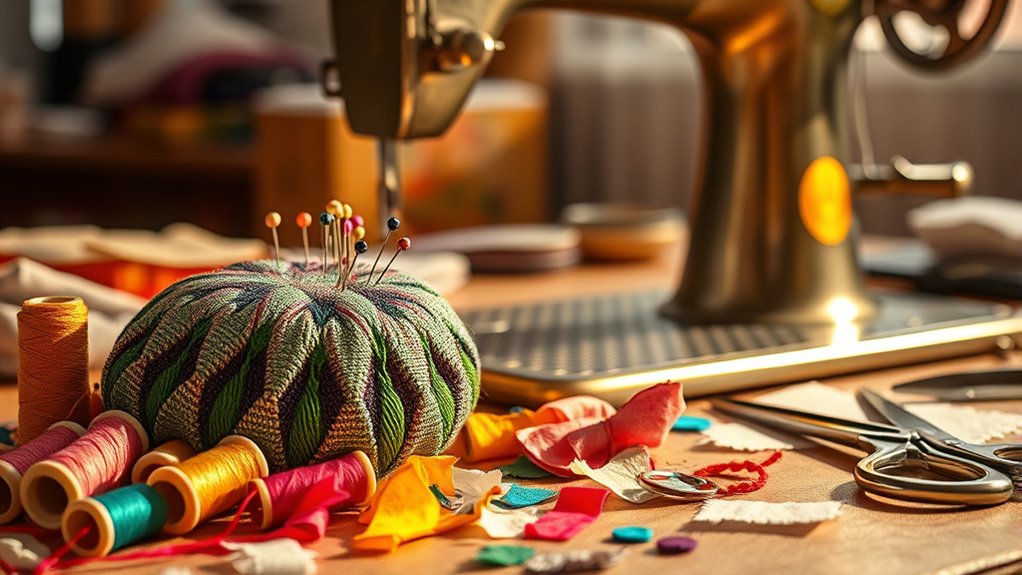

Many common sewing myths are simply misconceptions. You don’t need the most expensive fabric or perfect equipment to start; matching your fabric to your project and maintaining your machine are more important. Beginners can succeed with easy-to-handle fabrics like cotton and linen. Proper technique, patience, and practice help you build confidence and avoid issues like puckering or skipped stitches. Keep exploring these truths, and you’ll find sewing becomes clearer and more enjoyable with each step.

Get business pricing on tools and workshop supplies
- Business-only prices and quantity discounts
- Tax-exempt purchasing
- Multiple users, one account, clear invoices
Key Takeaways
- Choosing the most expensive fabric isn’t necessary; matching fabric to your project is more important.
- Regular sewing machine maintenance, like cleaning and replacing needles, prevents issues and prolongs machine life.
- Beginners should start with stable fabrics like cotton or linen instead of delicate or stretchy materials.
- Sewing is accessible for everyone; proficiency develops through practice, patience, and understanding basic techniques.
- Testing stitches on scrap fabric helps avoid mistakes and builds confidence before starting a main project.
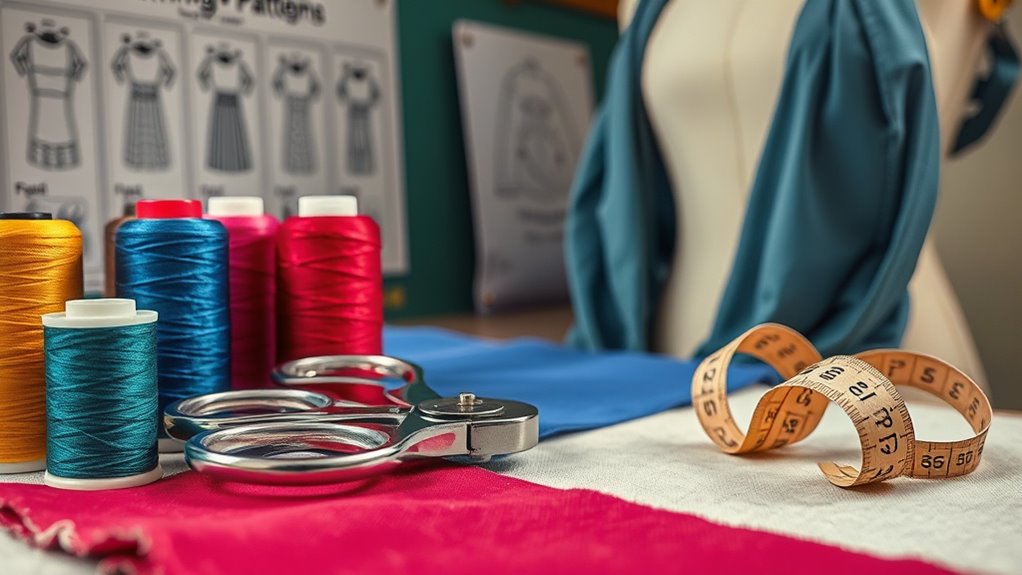
Many people believe sewing is a difficult skill reserved for experts, but that’s a common myth. The truth is, anyone can learn to sew with patience and the right guidance. One of the first steps to successful sewing is understanding fabric selection. Choosing the correct fabric isn’t about picking the most expensive or prettiest material; it’s about matching the fabric to your project. For beginners, it’s best to start with stable, easy-to-work-with fabrics like cotton or linen. These materials are forgiving, don’t slide around much, and are less likely to cause frustration. Avoid overly delicate or stretchy fabrics initially, as they can be tricky to handle. When selecting fabric, consider the weight, fiber content, and how it will behave once sewn. This knowledge helps prevent mistakes like puckering or mismatched seams, which often lead beginners to believe they’re not cut out for sewing. Additionally, understanding how different fabrics respond to sewing techniques can help you make better choices and improve your skills faster.
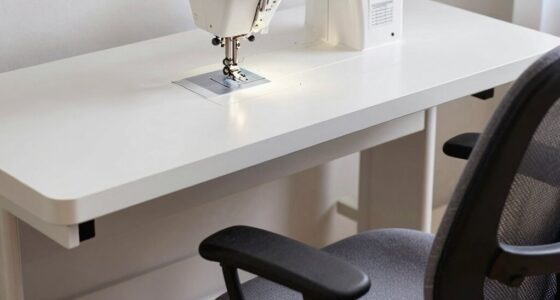
Another common myth is that sewing machines are complicated or require professional maintenance to work well. In reality, sewing machine maintenance is straightforward and essential for smooth operation. Regularly cleaning your machine, especially lint removal from the bobbin area and feed dogs, keeps it running efficiently. Using the right type of thread and needles, and changing them when they become dull or bent, also prolongs your machine’s lifespan. Many sewing issues, such as skipped stitches or uneven seams, are caused by neglecting basic maintenance, not by faulty machinery. Learning how to oil your machine and keep tension settings correct will make sewing more enjoyable and less frustrating. You don’t need to be an expert to perform these simple tasks; just follow the manufacturer’s instructions, and your machine will reward you with consistent performance. Proper sewing machine care can significantly reduce troubleshooting time and improve your sewing experience.
Many new sewists believe that once they purchase a machine and fabric, they’re ready to start a complex project. That’s not true. Building confidence begins with understanding your equipment and materials. Take time to practice threading your machine, adjusting tension, and changing bobbins. Experiment with scrap fabric to see how different stitches and settings work. This hands-on approach demystifies sewing and makes it less intimidating. Remember, mistakes are part of the learning process, not proof of failure. The more you familiarize yourself with fabric choices and proper machine care, the easier your sewing journey becomes. With patience, practice, and a bit of curiosity, you’ll find that sewing is accessible and truly rewarding, far from the intimidating skill many believe it to be.
As an affiliate, we earn on qualifying purchases.
Frequently Asked Questions
Can Sewing Machines Last Forever With Proper Maintenance?
Your sewing machine can’t last forever, but proper maintenance routines can considerably extend its machine longevity. Regularly cleaning, oiling, and servicing your machine helps prevent wear and tear, ensuring it runs smoothly for years. While no machine is indestructible, following these routines minimizes problems and keeps your sewing machine performing well. With diligent care, you can enjoy many years of sewing, but eventually, components may need replacement or upgrades.
Is Hand Sewing Always Better Than Machine Sewing?
Hand sewing isn’t always better than machine sewing; it depends on your project. For delicate, detailed, or small-scale work, hand sewing offers precision. However, machine sewing is faster and ideal for large projects or when durability matters. You should choose based on your needs, skill level, and the fabric. Both techniques have their place, so mastering both gives you flexibility and better results in your sewing projects.
Do All Fabrics Require the Same Sewing Needle Type?
Not all fabrics require the same sewing needle type. You need to contemplate fabric compatibility and needle size selection to get the best results. For delicate fabrics like silk, use a fine needle, while heavier fabrics like denim need a sturdier, larger needle. Matching the needle to your fabric prevents puckering, skipped stitches, and damage, ensuring smooth sewing. Always check your fabric’s requirements before starting your project.
Can Sewing Tips Vary Based on Fabric Color?
Ever wondered if fabric color influences sewing tips? Yes, it can lead to sewing tip variations. Light-colored fabrics often show stitches more clearly, so you might choose finer threads or different sewing techniques. Dark fabrics might hide puckers or mistakes, allowing for different tension settings. Adjusting your sewing approach based on fabric color guarantees better results. So, yes, sewing tips can vary depending on the fabric color, helping you achieve a professional finish.
Are There Universal Sewing Techniques Suitable for All Skill Levels?
Yes, there are universal sewing techniques suitable for all skill levels. You should focus on skill level differentiation and technique adaptability to progress effectively. Basic skills like straight stitching and seam finishing serve beginners well, while more advanced techniques such as pattern adjustments and decorative stitches can be adapted for experienced sewists. By mastering foundational methods and gradually exploring new skills, you make sewing accessible and enjoyable regardless of your experience level.
Conclusion
Just like the wizard behind the curtain, many sewing myths hide behind false beliefs. As you unmask these misconceptions, you gain confidence and mastery over your craft. Remember, every stitch you make is a step toward true skill—no magic required. Embrace the facts, discard the fiction, and let your sewing journey be as authentic as Dorothy’s journey to Oz. Trust in what’s real, and watch your skills flourish beyond the myths.
Fall yard work Picks
leaf blowers
As an affiliate, we earn on qualifying purchases.