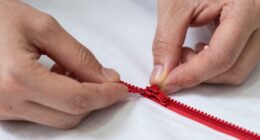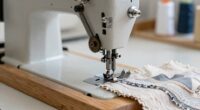
If you practice hands-on and get immediate feedback, you’ll pick up skills faster. Understanding fabrics and choosing the right materials helps you avoid mistakes and build confidence. Keeping your sewing machine well-maintained prevents setbacks and keeps projects smooth. Staying curious, patient, and willing to learn from errors accelerates growth. By actively developing your knowledge and skills, you’ll see progress faster. Keep exploring, and you’ll discover even more ways to improve your sewing journey.

Get business pricing on tools and workshop supplies
- Business-only prices and quantity discounts
- Tax-exempt purchasing
- Multiple users, one account, clear invoices
Key Takeaways
- Hands-on practice with immediate feedback accelerates skill development and quick correction of mistakes.
- Knowledge of fabric properties improves project choices and reduces errors, speeding up progress.
- Regular machine maintenance ensures smooth operation, minimizing technical issues and downtime.
- A proactive learning mindset and continuous skill-building foster faster mastery of sewing techniques.
- Patience, curiosity, and a growth mindset help sewists overcome challenges and advance more quickly.
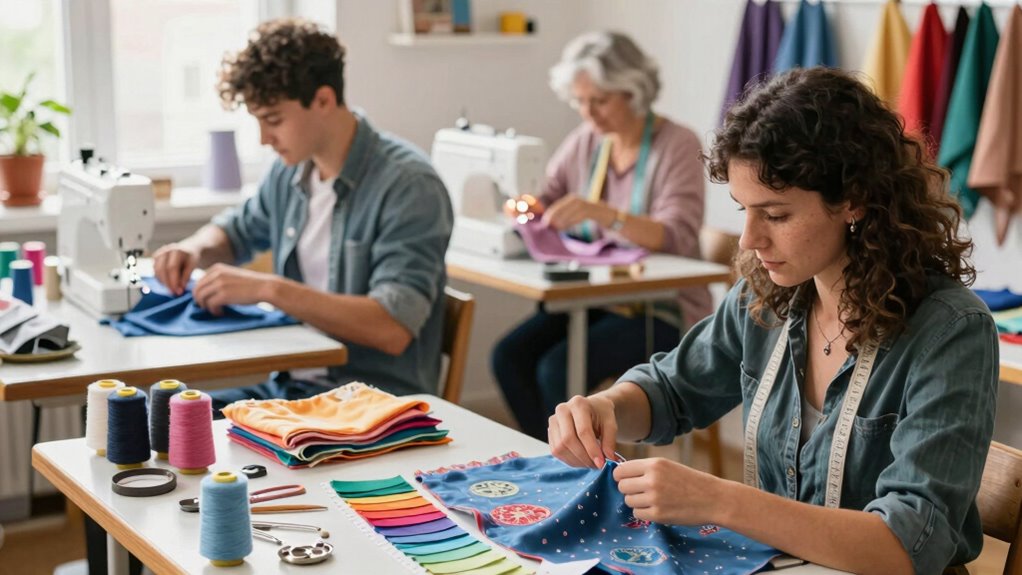
If you’re learning a new skill, sewing can often lead to faster progress than other crafts because it combines hands-on practice with immediate feedback, allowing you to correct mistakes and improve quickly. When you focus on fabric selection, you naturally develop a better understanding of how different textiles behave. Choosing the right fabric for each project helps you learn what works best for specific patterns and techniques. As you experiment with various materials, you gain confidence and refine your judgment, leading to more successful projects and faster skill development.
Another key factor that influences your progress is sewing machine maintenance. A well-maintained machine runs smoothly, reduces frustrations caused by jams or skipped stitches, and encourages you to sew more often. When you regularly clean and service your sewing machine, you prevent common issues, which keeps your workflow consistent. This consistency allows you to focus on learning new techniques instead of troubleshooting equipment problems. As you become more familiar with your machine’s functions, you also gain a sense of control and mastery, speeding up your learning curve. Proper machine care is essential for maintaining optimal sewing performance and avoiding setbacks.
Regular sewing machine maintenance boosts confidence and speeds up skill development by preventing issues and ensuring smooth operation.
Your ability to select appropriate fabrics and maintain your sewing machine ties directly into your overall progress. It’s not just about knowing how to sew but understanding how your tools and materials interact. When you take the time to learn about fabric characteristics—such as stretch, drape, or weight—you make smarter choices during your projects, reducing mistakes and waste. Similarly, investing time in sewing machine maintenance pays off by preventing setbacks caused by mechanical issues. This proactive approach helps you keep your projects moving forward without unnecessary delays. Additionally, learning about material properties can further enhance your decision-making process and project outcomes. Developing a deeper knowledge of fabric behavior can also improve your ability to troubleshoot and adapt techniques as needed, leading to more efficient sewing sessions.
Beyond technical skills, those who progress faster often approach sewing with curiosity and patience. They’re willing to learn from mistakes, seek out tutorials, and practice regularly. This mindset accelerates growth because it turns every project into a learning opportunity. Combining this attitude with good fabric selection practices and diligent sewing machine maintenance creates a solid foundation for rapid improvement. Over time, you’ll notice your confidence grows, and complex projects become manageable faster than you initially thought possible.
In essence, your speed of progression in sewing hinges on how well you understand your materials and tools. Paying attention to fabric selection ensures you use the right textiles for your goals, while proper sewing machine maintenance keeps your equipment reliable. When these elements are in harmony, your learning journey becomes smoother and more enjoyable, allowing you to develop your skills faster than others who overlook these essential details. Recognizing the importance of tool maintenance along with material knowledge can significantly enhance your sewing efficiency and growth.
best sewing machine maintenance kit
As an affiliate, we earn on qualifying purchases.
As an affiliate, we earn on qualifying purchases.
Frequently Asked Questions
How Do Mindset and Attitude Affect Sewing Progress?
Your mindset growth and attitude resilience directly influence your sewing progress. When you adopt a positive attitude, you’re more likely to embrace challenges, learn from mistakes, and stay motivated. A growth mindset encourages you to see setbacks as opportunities to improve, which accelerates your skills. Resilience helps you persist through difficulties, making consistent progress. Together, these qualities create a mindset that fuels continuous learning and mastery in sewing.
What Role Does Access to Quality Materials Play?
Access to quality materials can make or break your sewing journey. When you choose high-quality fabric, your projects turn out more polished and durable, boosting your confidence. Poor material quality, on the other hand, can lead to frustration and setbacks. Fabric selection matters because it influences ease of sewing and the final look. Investing in better materials accelerates your skill development and helps you enjoy the craft more fully.
Can Beginner Experience Influence Learning Speed?
Your beginner experience definitely influences your learning speed. With more exposure to fabric choices and sewing techniques, you develop skills faster. If you’ve already practiced different stitches or handled various fabrics, you’ll find it easier to pick up new projects. Your familiarity helps you troubleshoot issues quickly and improves your confidence. So, the more you’ve sewn before, the quicker you’ll progress, because you’re building on a solid foundation.
How Important Is Time Management for Skill Development?
Time management is essential for your skill development. By tracking your time, you can identify how long tasks take and improve efficiency. Setting clear goals helps you stay focused and motivated, ensuring consistent progress. When you plan your sewing sessions, you make better use of your practice time, which accelerates learning. Prioritizing time management with effective time tracking and goal setting keeps you on track to become a better sewist faster.
Do Sewing Classes or Mentorship Impact Progress?
Sewing classes and mentorship greatly impact your progress because they provide guidance on fabric selection and sewing tools, which are essential for skill development. With expert feedback, you learn to choose the right materials and use tools efficiently, speeding up your learning curve. Mentors also share tips and tricks, helping you avoid common mistakes. Overall, structured learning accelerates your growth and boosts confidence in handling different fabrics and tools.
Conclusion
Think of your sewing journey as a winding river carving its path through the landscape. Some sewists flow swiftly, guided by steady practice and patience, while others take a more leisurely course, exploring every bend. Remember, your progress isn’t a race—it’s a unique voyage. Embrace each stitch as a ripple in your personal waterway, and before you know it, you’ll have created a beautiful tapestry that’s entirely your own. Keep sewing, and watch your skills blossom like a vibrant garden.
Fall yard work Picks
leaf blowers
As an affiliate, we earn on qualifying purchases.