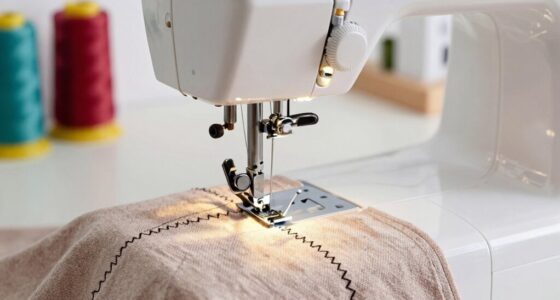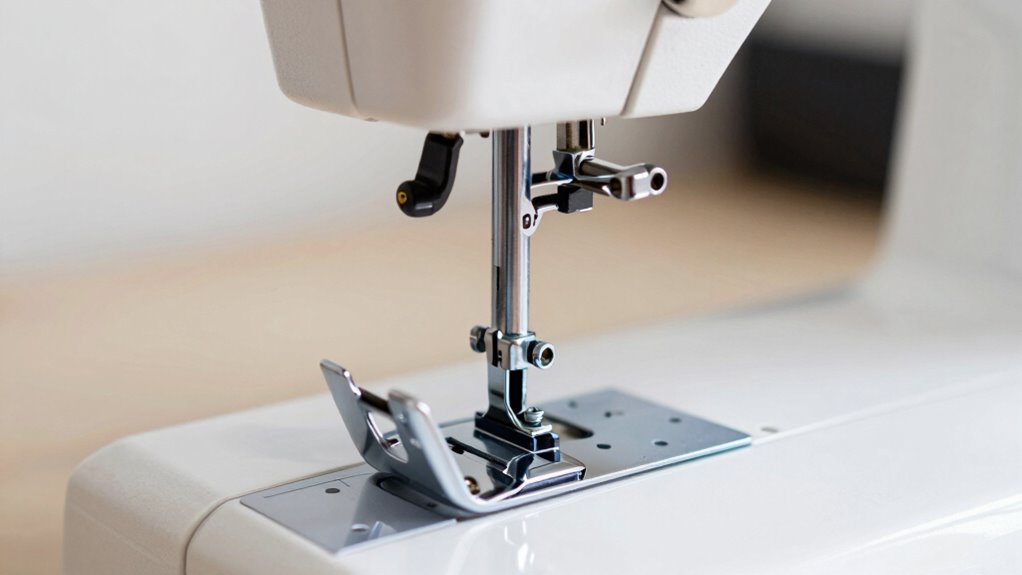

High shank and low shank refer to the height of the sewing machine’s attachment area. A high shank is about 5/8 inch tall, while a low shank measures around ¼ inch. This difference affects what presser feet and attachments you can use, making compatibility important. Using the wrong type can cause issues or damage your machine. If you keep exploring, you’ll learn how to identify and match the right shank for your sewing needs.

Get tools and workshop supplies delivered free — and shop member deals
- Fast, free delivery on millions of items
- Access to Prime Big Deal Days deals on October 6–7
- Prime Video, Amazon Music and more included
Key Takeaways
- High shank machines have a taller profile, measuring about 5/8 inch from needle to presser foot screw, while low shank measures around ¼ inch.
- The main difference lies in the height of the shank, affecting compatibility with presser feet and attachments.
- Proper measurement from the needle to the screw ensures accessories fit correctly and prevents machine damage.
- Using the wrong shank type (high on low or vice versa) can cause fitting issues or damage; adapters may help but are not always ideal.
- Knowing your shank type is essential for selecting compatible accessories and upgrading your sewing machine effectively.
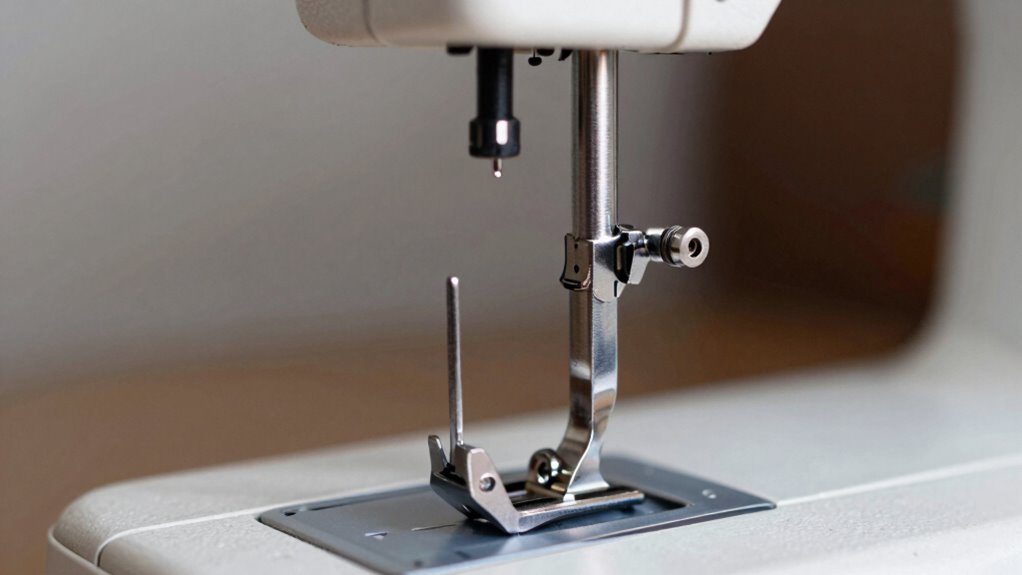
Ever wondered what distinguishes one shank type from another? The answer lies in understanding sewing machine compatibility and the shank measurement standards that separate high shank from low shank models. Your sewing machine is designed to work with a specific shank type, and using the wrong one can make your projects frustrating or even impossible. High shank machines typically have a taller profile, which means the distance from the bed of the machine to the needle plate is greater than on low shank models. This difference affects how your presser foot attaches and how your machine interacts with various sewing accessories. To guarantee smooth operation, you need to pay close attention to the shank measurement standards, which are precise measurements that define the height and width of the shank. Proper shank measurement is crucial for ensuring compatibility and seamless sewing experiences.
When shopping for presser feet, bobbins, or other attachments, always check your sewing machine’s compatibility with the shank type. Many machines are labeled as “high shank” or “low shank,” but if not, you can measure the distance from the needle to the presser foot screw. High shank machines usually measure about 5/8 inch (16 mm), while low shank models are around ¼ inch (6 mm). Knowing these measurements helps you select the right accessories without guesswork. It’s also worth noting that some brands and models may have unique standards, so it’s essential to refer to your machine’s manual or manufacturer’s specifications. This way, you avoid investing in attachments that don’t fit or could damage your machine. Being aware of shank standards can save you time and money in the long run. Additionally, understanding these standards can help you adapt accessories with adapters, if necessary, for greater versatility. Recognizing the importance of compatibility ensures that your sewing projects proceed smoothly and efficiently.
Understanding these differences becomes especially important when you’re upgrading or adding new tools to your sewing kit. If you use a high shank attachment on a low shank machine, it simply won’t fit, and the same goes vice versa. Some accessories are adaptable with adapters, but these can sometimes compromise stability or ease of use. The best approach is to match your shank type precisely according to the measurement standards set by your sewing machine’s design. This ensures that your presser feet, quilting guides, or specialty attachments work seamlessly, giving you better control and more professional results.
As an affiliate, we earn on qualifying purchases.
Frequently Asked Questions
Can I Switch Between High Shank and Low Shank Presser Feet?
Yes, you can switch between high shank and low shank presser feet if your sewing machine supports different shank compatibility. Check your machine’s foot attachment options and confirm the shank type matches your presser foot. Some feet are interchangeable with adapters, while others require direct compatibility. Always verify your machine’s specifications to avoid damage and guarantee smooth operation when changing between high and low shank presser feet.
Do All Sewing Machines Have Interchangeable Shank Types?
Not all sewing machines are created equal, and shank compatibility varies like a lock and key. Many machines have fixed shank types, so you can’t just swap out sewing machine accessories at will. To guarantee your accessories fit, check your machine’s shank type—high or low—and verify compatibility before purchasing new attachments. If your machine has a fixed shank, you might need an adapter or different accessories designed specifically for it.
How Do I Identify My Sewing Machine’s Shank Type?
To identify your sewing machine’s shank type, first remove the presser foot and check the shank’s height and shape. High shank machines have a taller, more prominent shank, while low shank models are shorter. Confirm shank compatibility by measuring the distance from the needle to the shank and noting the presser foot adjustment mechanism. Always match your machine’s shank type to compatible presser feet for smooth sewing.
Are High Shank Machines More Durable Than Low Shank?
You might find that high shank machines aren’t necessarily more durable than low shank ones, but their design often offers better shank compatibility with a wider range of presser foot varieties. As you switch between different projects, this flexibility can make your sewing smoother and more efficient. Ultimately, durability depends more on the machine’s build quality than shank height, so choose based on your sewing needs and intended use.
Is There a Significant Price Difference Between High and Low Shank Feet?
Yes, high shank feet often cost more than low shank ones, mainly due to compatibility and design differences. If you’re exploring alternative shank types, expect some variation in price. Keep in mind, shank compatibility issues can arise if you don’t choose the right one for your machine, which might lead to extra costs or the need for adapters. Always check your machine’s specifications before purchasing to avoid unnecessary expenses.
Conclusion
Understanding the difference between high and low shank sewing machine feet is essential for your projects. Did you know that over 70% of sewing machine issues stem from using the wrong shank type? By choosing the right shank, you’ll guarantee smoother sewing and better fabric control. Don’t forget, selecting the correct shank type isn’t just about compatibility — it’s about achieving professional-quality results every time. So, next time you sew, double-check your shank type for flawless finishes!
Halloween Picks
halloween
As an affiliate, we earn on qualifying purchases.