When choosing a long-term sewing machine, prioritize models that handle different fabrics easily, offering adjustable stitch settings and a powerful motor. Look for machines with simple maintenance and accessible parts to keep them running smoothly over the years. Durability and sturdy build quality guarantee reliable performance for various projects. User-friendly features and consistent stitch quality will boost your confidence. Keep these factors in mind to find a machine that grows with your skills—there’s more to explore beyond the basics.

Get business pricing on tools and workshop supplies
- Business-only prices and quantity discounts
- Tax-exempt purchasing
- Multiple users, one account, clear invoices
Key Takeaways
- Durability and sturdy construction for reliable long-term use.
- Versatility to handle various fabrics and sewing projects effectively.
- Ease of maintenance with accessible parts and simple cleaning procedures.
- Consistent performance ensuring high-quality stitches across different materials.
- User-friendly features that build confidence and support ongoing skill development.
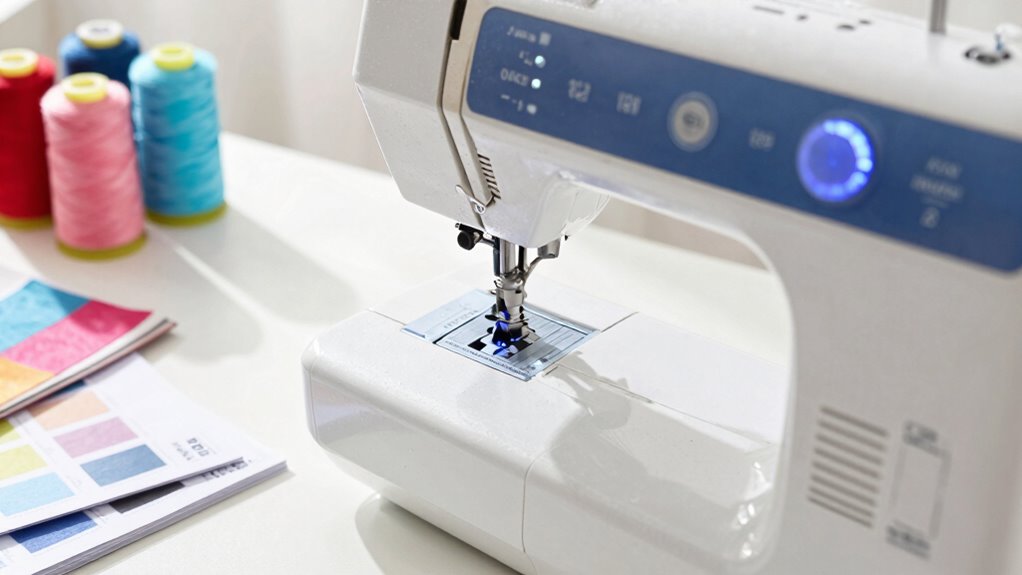
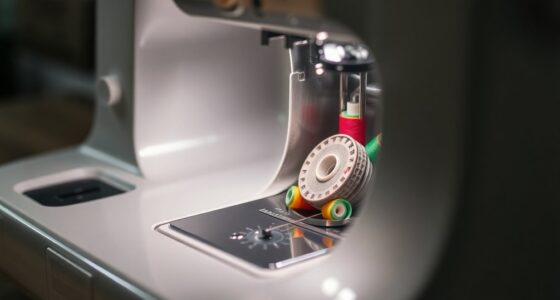
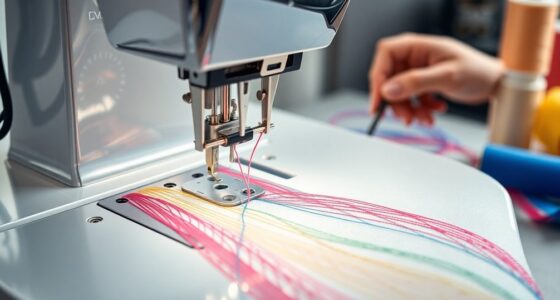
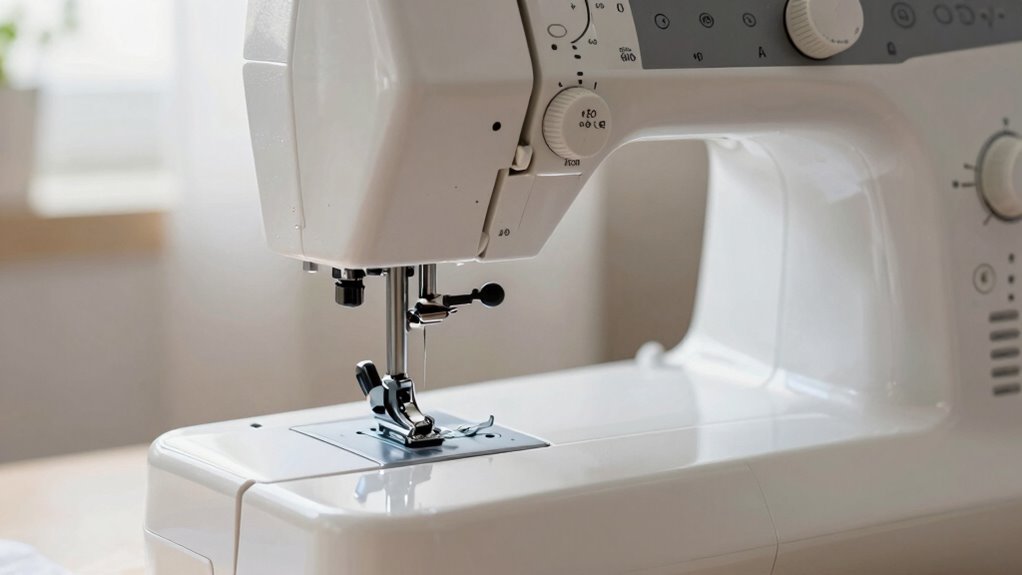
When choosing a long-term sewing machine, beginners often overlook what truly matters for lasting performance. It’s easy to get caught up in features and fancy gadgets, but the core qualities of a reliable machine are what will keep you sewing smoothly for years. One of the most important factors to consider is how well the machine handles different fabric types. Whether you’re working with delicate silk, stretchy knits, heavy denim, or thick leather, your machine needs to be versatile enough to accommodate all of these materials without constant adjustments or frustration. A machine with adjustable stitch settings, a strong motor, and a variety of presser feet will give you the flexibility to sew different fabrics confidently. Keep in mind that some machines are better suited for lightweight fabrics, while others are designed for heavier materials. Choosing one that can adapt to your evolving sewing projects is a smart move for long-term use.
Choose a versatile sewing machine with adjustable settings and strong motor for long-term fabric handling.
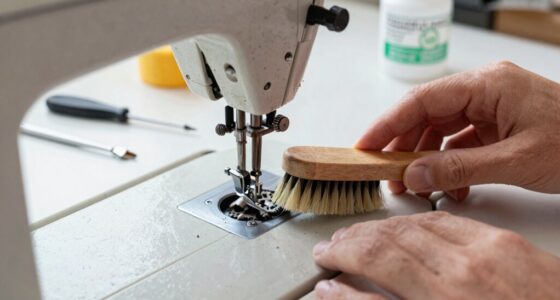
Beyond just the features, it’s crucial to think about machine maintenance. A machine that’s easy to maintain will last longer and perform better over time. Look for models with accessible bobbin cases, clear oiling points, and straightforward cleaning procedures. Regular maintenance—like cleaning lint from the bobbin area, oiling moving parts, and changing needles—ensures consistent stitches and prevents issues down the line. If you’re new to sewing, selecting a machine with clear maintenance instructions or a user-friendly design can save you a lot of hassle. Taking proper care of your machine means fewer breakdowns and better stitch quality, which is essential when you’re learning and want to keep progressing without interruption. Additionally, understanding the importance of machine durability and build quality** can help you make a more informed choice, as a sturdy machine will withstand regular use and last for many years. Choosing a machine with easy troubleshooting features can also make repairs less intimidating and more manageable for beginners. Proper support and availability of replacement parts can also minimize downtime if repairs are needed, making your sewing experience smoother and more enjoyable. Moreover, selecting a machine with reliable performance** can boost your confidence as a beginner, knowing that it will perform consistently through various projects.
long-term beginner sewing machine
As an affiliate, we earn on qualifying purchases.
As an affiliate, we earn on qualifying purchases.
Frequently Asked Questions
How Much Should I Budget for a Beginner Sewing Machine?
You should budget around $150 to $300 for a beginner sewing machine. This range offers models with essential features like adjustable thread tension and multiple stitch selection options. These capabilities help you learn different techniques and troubleshoot issues easily. Investing within this budget guarantees you get a reliable machine that’s versatile enough for your projects while still being affordable for a beginner.
Are Warranty and Customer Support Important for Long-Term Use?
Yes, warranty and customer support are vital for long-term sewing machine use. Think of an extended warranty as a safety net, protecting your investment when issues arise. Good customer service ensures you get quick, helpful assistance, saving you frustration. Long-term, these features keep your sewing machine running smoothly, so you can focus on creating without worries. Prioritizing reliable warranty options and responsive support makes your sewing journey more enjoyable and stress-free.
Can I Upgrade Parts on a Long-Term Sewing Machine Later?
Yes, you can upgrade parts on a long-term sewing machine later, especially if it has upgradable features. Many machines allow part replacement, like upgrading the motor or presser foot, which can extend its lifespan and improve performance. Before buying, check if the machine supports easy part replacement and upgrades. This way, you can customize and maintain your sewing machine over time, making it a worthwhile investment.
What Accessories Come With Most Beginner Sewing Machines?
Most beginner sewing machines come with basic accessories like bobbins, a variety of presser foot options, and a seam ripper. They often include helpful items like a needle set and a spool of thread. Keep an eye on thread tension adjustments and presser foot options, as these accessories make sewing smoother and more versatile. With these essentials, you’re ready to start stitching and creating with confidence!
How Do I Choose Between a Mechanical and Electronic Sewing Machine?
When choosing between a mechanical and electronic sewing machine, consider your comfort with technology and sewing needs. Mechanical machines are simple, with manual controls for thread tension and basic stitches, making them affordable and easy to learn. Electronic models offer more stitch variety, automatic adjustments, and precise control. If you want versatile options and convenience, go for an electronic machine. Otherwise, a mechanical one suits beginners seeking straightforward functionality.
Conclusion
In the end, choosing a sewing machine is about finding the right fit for your needs and future growth. Focus on durability, versatility, and ease of use—these will serve you well over time. Remember, a stitch in time saves nine; investing in a quality machine now prevents headaches later. Keep your goals in mind, stay patient, and you’ll craft beautiful projects for years to come. Happy sewing!
Fall Picks
fall essentials
As an affiliate, we earn on qualifying purchases.