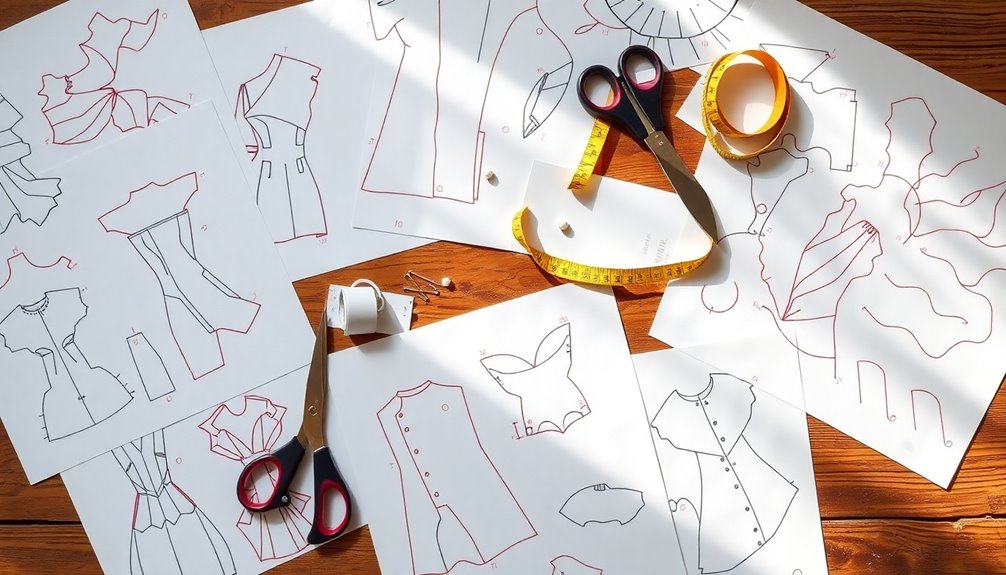

Most sewing patterns do include seam allowances, but it's important to check first. Patterns from the major brands usually have a standard seam allowance of 5/8 inch. However, some international patterns, like BurdaStyle, might not include them at all, requiring you to add your own. Knowing whether your pattern has an included seam allowance can save you time and mistakes. Keep going to discover more about fitting and using seam allowances effectively.

Get business pricing on tools and workshop supplies
- Business-only prices and quantity discounts
- Tax-exempt purchasing
- Multiple users, one account, clear invoices
Key Takeaways
- Most American commercial patterns typically include a standard seam allowance of 5/8 inch.
- International patterns, like those from BurdaStyle, often do not include seam allowances.
- Patterns with included seam allowances simplify cutting and speed up the sewing process.
- Patterns without seam allowances allow for customization and personalized adjustments by the sewist.
- It's crucial to check the pattern instructions to understand the seam allowance details.
sewing pattern with seam allowance
As an affiliate, we earn on qualifying purchases.
As an affiliate, we earn on qualifying purchases.
Understanding Seam Allowance
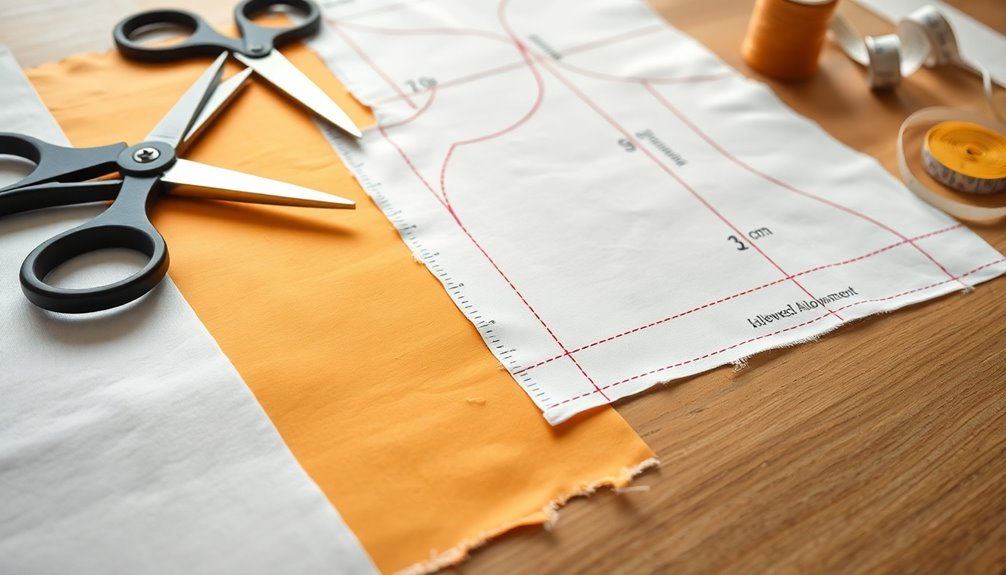
When you sew, understanding seam allowance is essential, as it affects how your fabric pieces fit together.
Seam allowance is the area between the cutting edge of your fabric and the seam line that joins two pieces together. In most American sewing patterns, seam allowances included are typically 5/8 inch, meaning the cutting line represents the outer edge, and the sewing line sits inside that measurement.
Always check if the pattern indicates seam allowances, especially with international patterns that may not include them. This flexibility allows you to adjust fit and seam measurements during cutting.
Knowing this helps you avoid costly mistakes and guarantees a better overall fit for your finished garment.
Industry Standards for Seam Allowances in Patterns
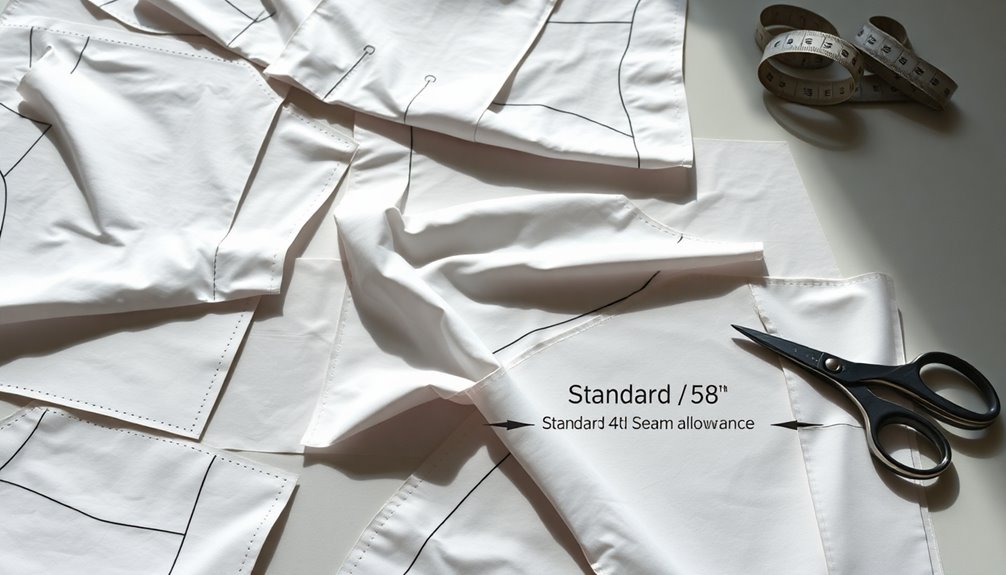
Understanding industry standards for seam allowances in patterns is essential for any sewer aiming for a well-constructed garment.
Most commercial patterns, especially those from the "big four" companies—McCalls, Vogue, Simplicity, and Butterick—have seam allowances included, typically set at 5/8 inch. This standard guarantees you have enough fabric to sew and make adjustments for a proper fit.
However, when working with heavier fabrics, you might need larger seam allowances, while lighter fabrics usually require smaller ones, ranging from ¼ inch to ⅝ inch.
Be mindful that some international patterns, like those from BurdaStyle, may not include seam allowances, so always check the pattern details before cutting your fabric to avoid surprises.
Patterns With Included Seam Allowances
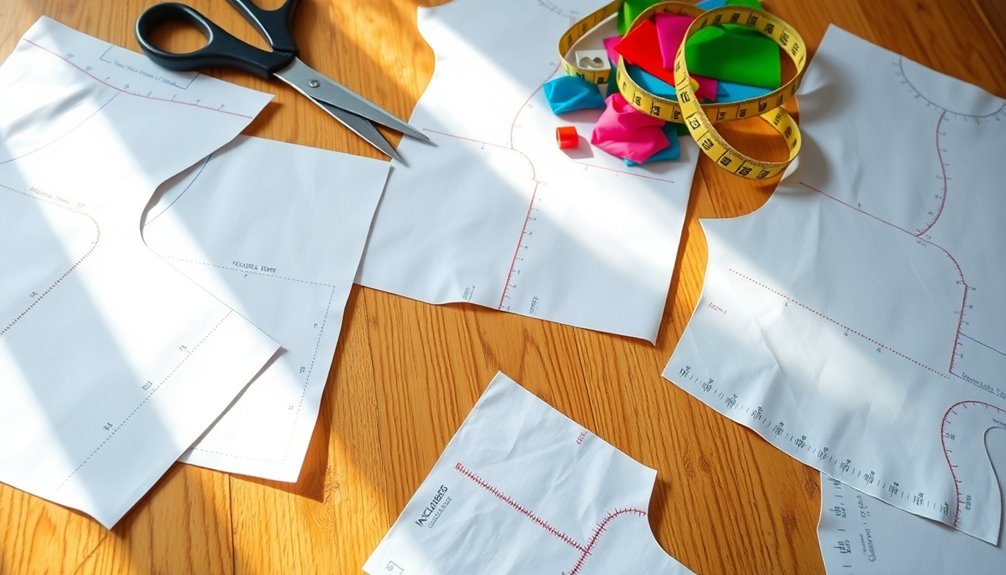
Many sewers appreciate patterns that come with included seam allowances, as they simplify the cutting process. With these sewing patterns, you don't need to add extra fabric when you cut the pattern, making it easier to achieve the desired fit. Typically, patterns from the "big four" include a standard seam allowance of 5/8 inch, which is already incorporated into the cutting line. This feature speeds up your sewing projects, especially if you're familiar with the designs.
| Feature | Included Seam Allowance | Benefits |
|---|---|---|
| Cutting Ease | Yes | No extra measuring |
| Standard Size | 5/8 inch | Better fit adjustments |
| Speed of Sewing | Faster | Less marking required |
Be sure to read the instructions for any special cases!
Patterns Without Seam Allowances
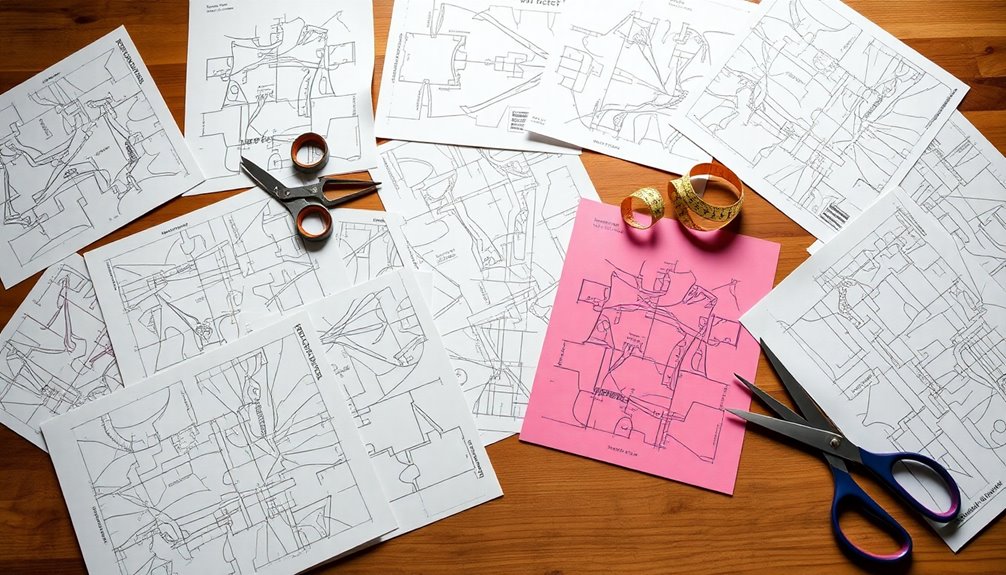
Patterns without seam allowances offer you the flexibility to customize your sewing projects according to your preferences. By requiring you to add your own seam allowances during cutting, these patterns allow for personalized adjustments based on fabric types or fit requirements.
Many international companies, like BurdaStyle and Ottobre, produce patterns without seam allowances, catering to sewists who favor custom fitting. This absence simplifies pattern adjustments, enabling you to make changes before cutting, leading to a better fit in the final garment.
Additionally, when working with knit fabrics, patterns without seam allowances are common, as they often don't need traditional allowances. Ultimately, you'll find that these patterns can streamline your preparation process and enhance your sewing experience.
Tips for Working With Seam Allowances
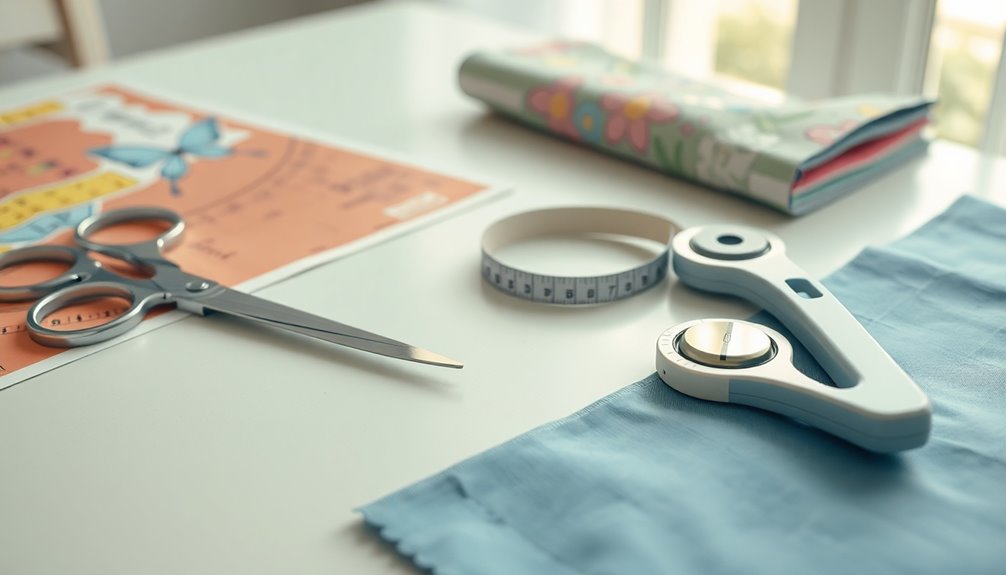
When you're working with seam allowances, a few key tips can make the process smoother and more accurate. Follow these steps to enhance your sewing experience:
- Measure and Mark: Use a clear ruler or seam gauge to measure and mark your sewing lines on the fabric. This guarantees precision when cutting and sewing.
- Outline with Care: Use tailor's chalk or a fabric pen to outline seam allowance lines on the wrong side of your pattern pieces. This will help you stay on track while sewing.
- Pin Smartly: When pinning fabric, make sure to pin within the seam allowance. This keeps your fabric intact and maintains a clean finish without pinholes.
Frequently Asked Questions
How Do You Know if a Pattern Includes Seam Allowance?
To know if a pattern includes seam allowance, start by checking the pattern key or envelope for specific details.
Look at the cutting lines; if they're the outer edge, seam allowances are included. If you see internal lines, those usually indicate sewing lines without allowances.
Don't forget to read the instruction sheets thoroughly, as they might clarify any uncertainties.
When in doubt, mark seam lines directly on your fabric for accuracy.
Do I Need to Add Seam Allowance to a Pattern?
You might think adding seam allowance is a hassle, but it's really a chance to personalize your project!
When working with a pattern, you need to check if seam allowances are included. If they're not, it's up to you to add them, which lets you customize the fit.
Always read the pattern instructions carefully. This way, you'll guarantee your garment turns out just right, reflecting your style and preferences beautifully.
Do Sew Over It Patterns Include Seam Allowance?
Sew Over It patterns typically don't include seam allowances, so you'll need to add them when cutting your fabric.
The standard seam allowance is usually 1.5 cm (about ⅝ inch), but it's essential to check the specific pattern instructions for any unique requirements.
To guarantee accuracy, consider marking the seam allowance on your fabric before cutting.
This flexibility allows you to customize the fit according to your personal preferences, making your project truly yours.
Do Simply Sewing Patterns Include Seam Allowance?
When you're working with Simplicity patterns, you'll find that they typically include a seam allowance of 5/8 inch.
This means you don't have to worry about adding extra fabric when you cut, as the cutting line reflects the outer edge of your fabric piece.
Just remember to check the pattern key for any specific instructions, since some patterns might vary.
Conclusion
In the world of sewing, seam allowance is your trusty compass guiding you through the fabric jungle. Whether you're working with patterns that embrace it or those that leave it behind, knowing how to navigate these allowances will transform your creations from mere dreams into tangible masterpieces. So, as you stitch your way through each project, remember: every seam is a step towards your unique tapestry, waiting to be woven into the fabric of your story.
Fall yard work Picks
leaf blowers
As an affiliate, we earn on qualifying purchases.