
Bound buttonholes are a couture detail that instantly makes your garments look more luxurious and expensive. By carefully selecting smooth fabrics and matching high-quality threads, you can create neat, precise edges that showcase craftsmanship. Mastering the sewing technique—whether hand or machine—adds a polished, professional finish. Pay attention to details like color coordination and tension to avoid common mistakes. If you want to reveal the secrets of this elegant finishing touch, continue exploring!
Key Takeaways
- Bound buttonholes are meticulously sewn with precise, clean edges that convey craftsmanship and elevate the garment’s luxury appeal.
- Using high-quality, smooth fabrics and matching thread enhances the neatness and sophisticated look of bound buttonholes.
- The technique involves careful folding, stitching, and often hand finishing, adding an artisanal, couture touch that looks expensive.
- Proper color coordination and perfect placement ensure a seamless, polished appearance that mimics high-end designer details.
- Mastering bound buttonholes demonstrates attention to detail, significantly increasing the garment’s perceived value and sense of bespoke quality.
![96Pcs Professional Sewing Thread Kit, 48 Colors 400 Yards/Spool, [Top Durability with 4-Ply Tight-Twist] AAA-Grade Polyester Thread with Prewound Bobbins, Sewing Thread for Hand & Machine Sewing](https://m.media-amazon.com/images/I/51mZxc70HCL._SL500_.jpg)
96Pcs Professional Sewing Thread Kit, 48 Colors 400 Yards/Spool, [Top Durability with 4-Ply Tight-Twist] AAA-Grade Polyester Thread with Prewound Bobbins, Sewing Thread for Hand & Machine Sewing
[Top-Tier Professional Sewing Thread Kit with Prewound Bobbins] Since 1980, we’ve combined AAA-grade polyester with our 4-Ply tight-twist…
As an affiliate, we earn on qualifying purchases.
As an affiliate, we earn on qualifying purchases.
What Are Bound Buttonholes and Why Do They Look Luxurious?
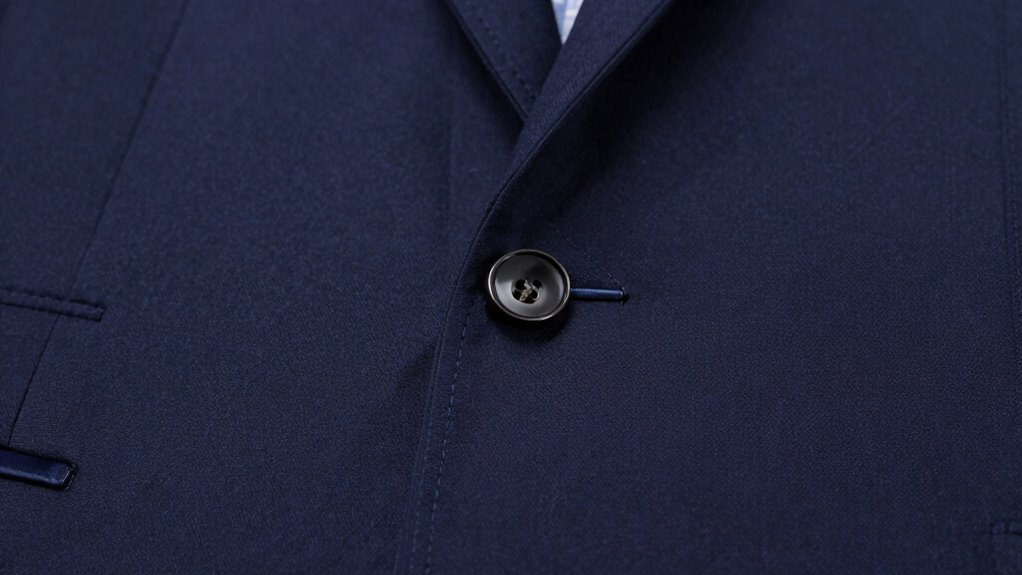
Bound buttonholes are a refined finishing detail often found on high-quality garments, especially tailored jackets and coats. They stand out because of their precise construction and smooth, neat edges, which enhance the garment’s overall look. The fabric texture plays a vital role; tightly woven or smooth-textured fabrics help create clean, sharp borders. Historically, bound buttonholes date back centuries, originating from manual tailoring techniques used by couture artisans. Over time, they became a symbol of craftsmanship and luxury, often reserved for bespoke or haute couture pieces. Their meticulous construction and refined appearance give garments a sophisticated, expensive look, elevating even simple designs into something special. This combination of fabric texture and historical craftsmanship explains why bound buttonholes exude a sense of opulence. Additionally, understanding luxury craftsmanship can help you appreciate the importance of craftsmanship quality and attention to detail in luxury fashion.

YEQIN 3 Pcs Sewing Buttonhole Cutter Set, for Buttonhole and Eyehole
Widely Used – The keyhole cutter is used for key button holes, it can also be used to…
As an affiliate, we earn on qualifying purchases.
As an affiliate, we earn on qualifying purchases.
How to Choose Fabrics and Threads for Perfect Bound Buttonholes
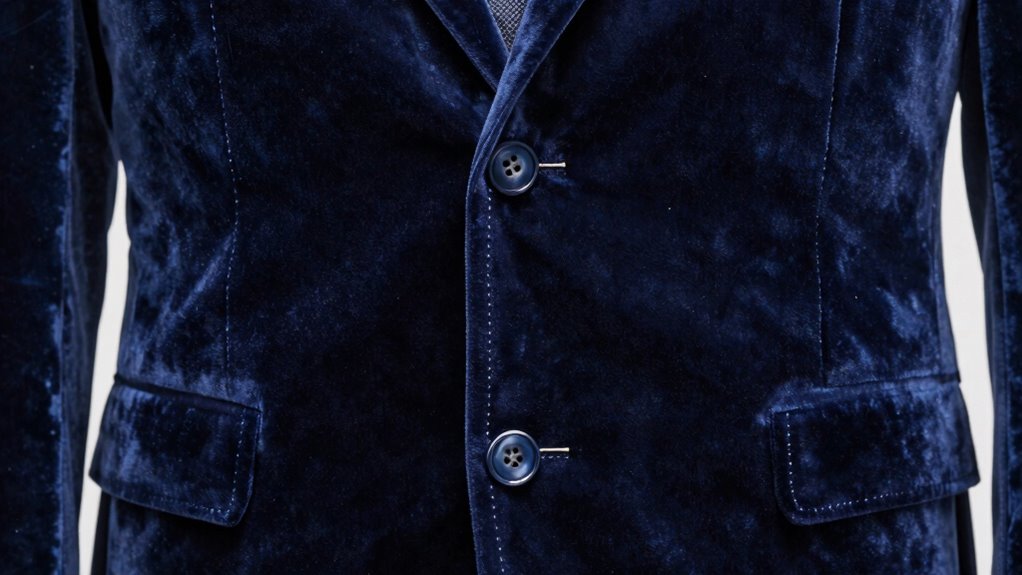
Choosing the right fabric is key to a polished bound buttonhole, so pick a material that’s sturdy yet smooth. Your thread choice can make or break the look, so consider using a color that blends seamlessly or adds a subtle contrast. Think about how your fabric and thread colors will work together to create a cohesive, professional finish. Additionally, understanding fabric stability and how it responds to sewing techniques can help achieve a more durable and refined edge (fabric stability and sewing techniques). Being aware of the fabric’s piercing compatibility can also prevent damage or puckering during sewing, ensuring a cleaner finish. Incorporating fabrics with textural qualities that complement your design can further elevate the overall appearance of your bound buttonholes, especially when selecting fabrics with appropriate fabric weight for your project. Recognizing the interplay of fabric and thread can also enhance the durability and aesthetic of your finished work.
Fabric Selection Tips
Selecting the right fabric and threads is essential for achieving neat, durable bound buttonholes. Focus on fabric texture—smooth, tightly woven fabrics like silk or high-quality cotton work best, as they allow precise stitching and a clean finish. Avoid bulky or stretchy textiles that can distort the buttonhole’s shape. Pay attention to fabric weight; medium to heavyweight fabrics provide enough stability for clean, sharp edges, while lightweight fabrics may require special techniques to prevent fraying. Choose fabrics that hold their structure during sewing, making it easier to create neat, professional-looking bound buttonholes. Additionally, opt for threads that match or complement your fabric to ensure a polished look. Proper fabric selection sets the foundation for perfect, couture-style buttonholes. When working with Suprem fabric, its durability and stability make it an excellent choice for maintaining the integrity of bound buttonholes over time. To further enhance your results, consider the fabric finish as it can influence how well your stitches hold and how smooth the final appearance will be. Using fabrics with the right fiber composition can also improve the overall appearance and longevity of your buttonholes. Incorporating fabrics with consistent weave helps achieve a more uniform and refined stitched edge, elevating the overall couture effect. Moreover, selecting fabrics with the appropriate weave density can improve the precision of your stitching and prevent puckering.
Thread Choices Matter
The right thread can make all the difference in creating clean, professional-looking bound buttonholes. Selecting the appropriate thread enhances your embellishment techniques and guarantees durability. For a seamless finish, choose a fine, high-quality thread that matches your fabric’s weight and texture. Historically, threads used in bound buttonholes originated from natural fibers like silk and cotton, valued for their strength and luster. Modern options include polyester and rayon, offering added resilience and sheen. Using the correct thread not only improves the aesthetic but also preserves the integrity of your work over time. Pay attention to thread tension and ensure your stitches are even. This careful choice reinforces the craftsmanship behind your buttonholes, elevating your sewing from simple to couture-quality. Additionally, understanding fiber types and their properties can help you select the most suitable thread for different fabrics and projects. It’s also beneficial to consider the thread’s durability, especially for garments that will see frequent use or washing. Being aware of fiber properties will help you choose threads that maintain their appearance and strength through repeated wear and cleaning. To further ensure the longevity of your buttonholes, consider the compatibility of thread and fabric, which can significantly impact the overall durability of your finished project. Moreover, experimenting with different thread finishes can add subtle texture and enhance the visual appeal of your couture details.
Color Coordination Strategies
To achieve a polished look for bound buttonholes, coordinating the colors of your fabric and thread is essential. Start with color matching—choose a thread shade that either blends seamlessly with your fabric or offers a subtle contrast for added interest. When selecting thread, consider the overall palette and how it interacts with your garment’s accessories; harmonious accessory coordination creates a cohesive appearance. If your fabric is bold or patterned, opt for a matching thread to keep the focus on the buttonhole itself. For a more understated look, pick a thread shade slightly darker or lighter than your fabric. Remember, thoughtful color coordination elevates your craftsmanship and ensures your bound buttonholes look refined and professional. Additionally, understanding wood movement can help you plan for fabric behavior over time, ensuring your finishing details remain impeccable. Being aware of fabric stability is also crucial, as it influences how your buttonholes will hold up with wear and washing.
luxury tailored jacket buttonhole tools
As an affiliate, we earn on qualifying purchases.
As an affiliate, we earn on qualifying purchases.
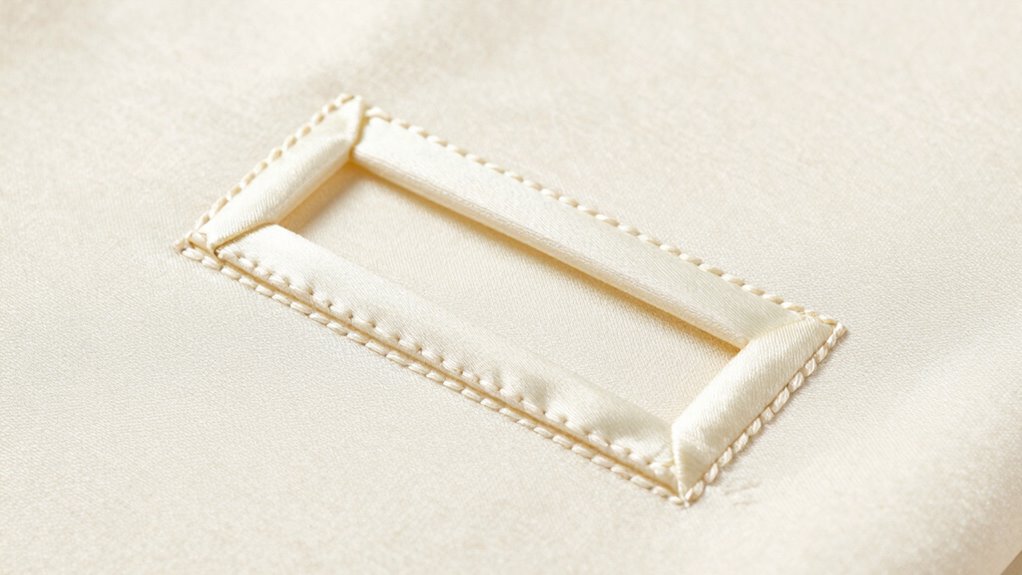
Sewing bound buttonholes may seem challenging at first, but with careful attention and the right technique, you can achieve professional-looking results. Start by selecting fabric textures that support sturdy buttonhole construction, such as tightly woven or medium-weight fabrics. Consider your button styles—larger or decorative buttons may require slightly wider or reinforced buttonholes. Mark the placement accurately, then sew a tight, narrow rectangle with reinforcement stitches, ensuring the thread matches your fabric to blend seamlessly. Use sharp scissors to carefully trim the center of the rectangle, leaving the ends intact. Fold the edges inward and sew them down with small, precise stitches to create a clean, finished edge. Practice on scrap fabric first to perfect your technique and achieve polished, couture-quality bound buttonholes. Additionally, understanding proper ventilation considerations can help prevent fabric distortion during the sewing process. Maintaining the correct sewing machine tension can also contribute to the clean, professional appearance of your bound buttonholes.

Coquimbo Sewing Kit Mothers Day Gifts for Mom Grandma Women Wife Teen Girls Beginner Traveler, Portable Sewing Supplies Accessories Contains Thread, Needles, Scissors, Dorm Room Essentials (Black)
𝑴𝒐𝒕𝒉𝒆𝒓𝒔 𝑫𝒂𝒚 𝑮𝒊𝒇𝒕𝒔 𝑰𝒅𝒆𝒂𝒔: This sewing kit is terrific gifts for people who travel frequently, mother, grandmother, backpacker,…
As an affiliate, we earn on qualifying purchases.
As an affiliate, we earn on qualifying purchases.
Common Mistakes When Sewing Bound Buttonholes and How to Avoid Them

Many crafters encounter common pitfalls that can compromise the appearance and durability of bound buttonholes. One major mistake is using fabric that isn’t resilient enough, which can cause the buttonhole to fray or tear over time. Choose sturdy fabrics or reinforce the area before sewing. Another frequent error is incorrect thread tension; too tight, and the thread may puckering or break, while too loose, and the stitches won’t hold securely. Adjust your tension accordingly to ensure even, tight stitches that stay durable without distorting the fabric. Additionally, rushing through the process often results in uneven or sloppy buttonholes. Taking your time to maintain consistent tension can help you achieve a more polished and professional look. Pay attention to machine settings to greatly improve your sewing precision and the overall quality of your bound buttonholes.
Tips for Making Bound Buttonholes Look Professional
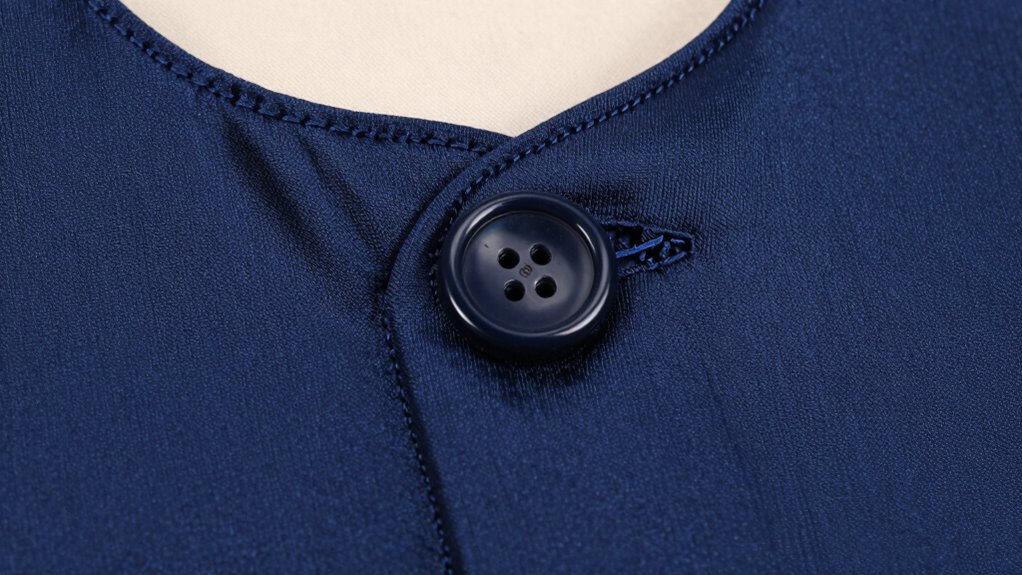
Achieving a polished, professional look with bound buttonholes requires attention to detail and careful execution. Start by mastering precise buttonhole techniques, ensuring your stitches are even and tight. Use fine thread matching your fabric to create seamless, couture details that elevate the overall appearance. Take your time when marking the buttonhole placement to ensure symmetry and consistency. Press your fabric thoroughly before sewing to keep edges crisp, and use a sharp needle for clean, precise stitches. When sewing, maintain steady tension to avoid puckering. Finishing your buttonholes with a neat hand-sewn bar tack adds durability and a refined touch. Remember, patience and consistency are key to making bound buttonholes look truly professional, giving your garment an elegant, high-end finish. Additionally, consulting specialized sewing techniques can help refine your skills and achieve superior results. Developing a good understanding of fabric preparation can also improve the overall finish of your bound buttonholes.
Should You Sew Handcrafted or Machine-Made Bound Buttonholes?

Choosing between handcrafted and machine-made bound buttonholes depends on your project, skill level, and desired finish. Handcrafted techniques let you control every detail, offering a personalized, artisanal look that can elevate your garment’s elegance. They require patience and practice but result in a truly unique touch. On the other hand, machine precision provides consistent, clean results, making it ideal for quick production or when uniformity matters. Machines can replicate perfect bound buttonholes efficiently, especially for large batches. If you’re comfortable with hand sewing, handcrafted techniques add an authentic, couture feel. If speed and consistency are your priorities, machine-made options deliver professional results with less effort. Consider your project’s scope and your skill set to choose the method that best enhances your finished garment.
How Bound Buttonholes Elevate Your Garments and Add Value
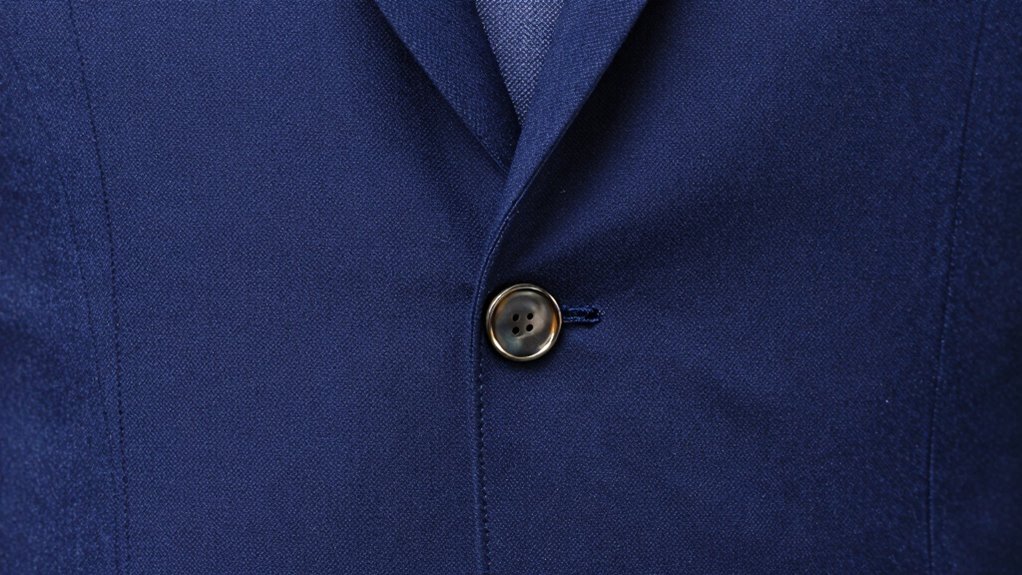
Bound buttonholes instantly elevate the look of your garments by adding a refined, tailored detail that signals craftsmanship. Their buttonhole history dates back centuries, rooted in couture techniques that emphasize precision and luxury. When you choose bound buttonholes, you showcase a level of skill often associated with high-end fashion. These meticulously finished details not only enhance the garment’s appearance but also add perceived value, making your piece look more expensive and well-made. The craftsmanship involved demonstrates attention to detail, which elevates your overall style. Whether on a blazer or a coat, bound buttonholes serve as a subtle yet powerful indicator of quality, connecting your garment to a rich tradition of couture techniques that emphasize durability and elegance.
Frequently Asked Questions
Can Bound Buttonholes Be Repaired if Damaged?
Yes, you can repair damaged bound buttonholes. Start by carefully removing any loose threads and reinforcing the edges with matching thread to prevent further damage. If the decorative buttonholes are severely damaged, a tailor can resew the bound edges or add additional reinforcement, restoring their appearance. Proper buttonhole reinforcement helps maintain durability, especially for decorative buttonholes, ensuring they stay beautiful and functional over time.
Are Bound Buttonholes Suitable for All Fabric Types?
Bound buttonholes aren’t suitable for all fabric types, especially delicate or very stretchy ones. You need to take into account fabric compatibility since thick or stiff fabrics hold the bound buttonhole structure well, enhancing style versatility. For lightweight or fragile textiles, bound buttonholes may be too bulky or difficult to sew neatly. Always assess your fabric’s properties to ensure your buttonholes look professional and complement your garment’s overall style.
How Long Does It Take to Master Sewing Bound Buttonholes?
Mastering sewing bound buttonholes feels like planting a delicate garden; it takes patience and practice. Usually, you’ll need a few projects to become comfortable, but with dedication, you’ll perfect the technique in about 10-15 hours. Fabric compatibility matters—some fabrics, like silk or wool, may require more finesse. The key is practicing various sewing techniques, understanding your fabric, and gradually building your confidence to create flawless, couture-quality buttonholes.
What Tools Are Essential for Creating Perfect Bound Buttonholes?
To create perfect bound buttonholes, you need essential sewing tools like a sharp seam ripper, fine pins, and a buttonhole foot if you’re using a machine. Focus on mastering buttonhole techniques, which require precise marking tools like chalk or fabric markers. A high-quality needle and matching thread also help achieve clean, professional-looking results. With these tools, you’ll improve your skills and make your buttonholes look expertly finished.
Do Bound Buttonholes Require Special Maintenance or Care?
You don’t need to baby bound buttonholes, but a little care goes a long way. To preserve buttonhole durability, avoid excessive pulling or friction. Check fabric compatibility beforehand, as delicate fabrics may need extra reinforcement. Keep the buttonholes clean and dry, and if you notice fraying, gently reinforce with a quick stitch. With proper maintenance, your bound buttonholes stay sharp and elegant, proving the old adage that good things are worth a little extra attention.
Conclusion
Mastering bound buttonholes can instantly elevate your sewing projects, making your buttons look truly luxurious. Did you know that professionally finished buttonholes can increase a garment’s value by up to 30%? With patience and practice, you’ll perfect your technique and achieve stunning results. Whether hand-sewn or machine-made, these details set your creations apart. So go ahead—embrace this couture trick and transform simple pieces into beautifully crafted, high-end garments that impress every time.