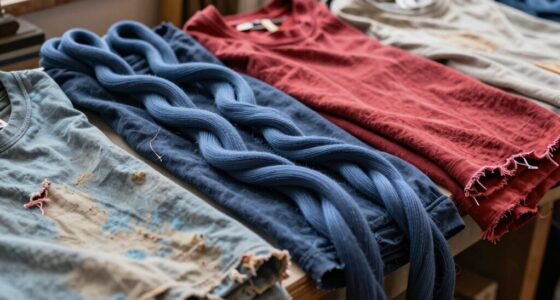
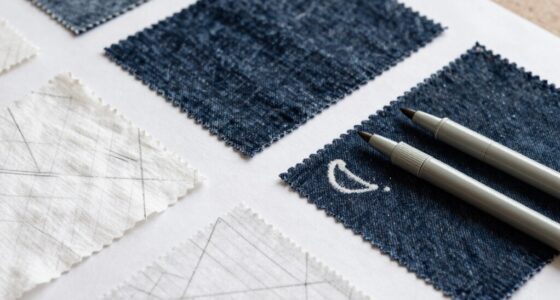
To prevent piping from twisting in the seam, guarantee you align seams properly before finalizing connections, making sure they sit flush and straight. Use snug-fitting insulation to stabilize and cushion the pipe, and secure it with supports like clamps or brackets that aren’t over-tightened. Regularly check these supports and supports for shifts or looseness. Proper installation techniques and component alignment are key—continue with these tips to keep your piping stable and trouble-free.

Get business pricing on tools and workshop supplies
- Business-only prices and quantity discounts
- Tax-exempt purchasing
- Multiple users, one account, clear invoices
Key Takeaways
- Ensure proper seam alignment before completing connections to distribute stress evenly.
- Use snug-fitting insulation to stabilize pipes and cushion against external impacts.
- Secure pipes with appropriate supports and fasteners without over-tightening.
- Regularly inspect supports and supports’ tightness during maintenance to prevent shifting.
- Choose support systems suitable for long runs or movement-prone areas to enhance stability.

When working with piping, one common challenge is preventing the pipe from twisting in the seam, which can compromise the integrity of your connection. Twisting can cause leaks, reduce flow efficiency, and potentially damage the piping over time. To avoid this, you need to pay close attention to how the pipe is installed and secured, especially around the seam. Proper seam alignment is crucial for maintaining a smooth, straight connection, and it helps prevent unnecessary stress that leads to twisting. Before you begin, ensure that the pipes are properly aligned, with the seam positioned correctly to facilitate ease of installation and reduce movement. Misaligned seams can create weak points, making the pipe more susceptible to twisting under pressure or during handling. Using pipe insulation is an effective way to stabilize the pipe and protect the seam area. Insulation not only helps with thermal regulation but also adds a layer of support that keeps the pipe steady. When applying pipe insulation, make sure it fits snugly around the pipe without gaps or loose spots. This tight fit prevents the pipe from shifting during operation or when subjected to external forces. Additionally, insulation can cushion the pipe against vibrations and external impacts that could cause twisting. Be sure to use insulation materials suited for your specific piping system—whether for hot water, chilled water, or other fluids—to ensure optimal performance and protection. Proper seam alignment and the use of insulation are essential for creating a durable, twist-resistant piping system. Securing your piping with proper fasteners and supports is equally important. Use clamps, brackets, or pipe straps to hold the pipe firmly in place, especially at critical points like joints and seams. When fastening, avoid overtightening, which can deform the pipe or put undue stress on the seam, increasing the risk of twisting. Instead, tighten the supports just enough to hold the pipe securely without constricting it. Regularly inspect these supports during maintenance to catch any loosening or shifting that could lead to twisting over time. Proper installation techniques and regular maintenance further help in preventing twisting issues. Additionally, choosing the right support systems can greatly enhance the stability of your piping, especially over long runs or in areas subject to movement. Ensuring that all components are installed with correct seam preparation is vital for the longevity of your piping system. Lastly, when joining pipes, always double-check seam alignment before completing the connection. Confirm that the seam sits flush and straight, and adjust if necessary. Proper alignment ensures even distribution of stress along the pipe, reducing the likelihood of twisting. By combining precise seam alignment, effective pipe insulation, and secure supports, you create a stable piping system resistant to twisting. This proactive approach enhances durability, maintains flow efficiency, and extends the lifespan of your piping system.
As an affiliate, we earn on qualifying purchases.
Frequently Asked Questions
What Tools Are Best for Preventing Pipe Twisting?
You should use pipe insulation and joint supports to prevent pipe twisting. Pipe insulation not only protects the pipe but also adds stability, reducing movement. Joint supports secure the pipe at connection points, preventing unnecessary twisting during installation or use. Make certain supports are properly spaced and snug. Together, insulation and supports stabilize your piping, minimizing twisting risks and maintaining the integrity of your system.
How Does Pipe Material Affect Twisting?
Imagine trying to bend a cooked spaghetti noodle versus a steel rod—that’s how pipe material affects twisting. Flexible materials like PEX resist twisting better during installation, especially with proper techniques. Rigid pipes like copper or steel are more prone to twisting if not handled carefully. Your choice of material directly impacts ease of installation and long-term durability, so select wisely based on your project’s flexibility needs and employ correct installation methods to minimize twisting.
Can Temperature Changes Cause Piping to Twist?
Yes, temperature changes can cause piping to twist due to thermal expansion. As pipes heat up or cool down, they expand or contract unevenly, creating stress that may lead to twisting. To prevent this, you should incorporate stress relief features like expansion bends or loops, which allow the pipe to adjust without twisting. Properly managing thermal expansion helps maintain pipe alignment and reduces the risk of twisting over time.
What Are Common Signs of Twisted Piping?
You’ll notice twisted piping when it’s misaligned or shifts from its original position. Common signs include uneven pipe alignment, sagging, or kinks, especially near support brackets. If support brackets are loose or improperly placed, twisting is more likely to occur. Regularly check and tighten support brackets, ensuring proper pipe alignment. Addressing these issues promptly helps prevent further twisting and maintains your piping’s integrity.
How Often Should Piping Be Inspected for Twisting?
You should inspect your piping regularly—at least once every six months—to catch any twisting early. Proper installation techniques, like ensuring correct support placement, are key to preventing twisting. Check supports to make sure they’re secure and appropriately spaced, especially around bends and joints. Regular inspections help you identify signs of twisting sooner, allowing you to make adjustments before issues escalate. Staying vigilant keeps your piping running smoothly and safely.
Conclusion
By preventing piping from twisting in the seam, you guarantee your project stays neat and professional-looking. It’s like keeping a tight grip on a delicate thread—control keeps chaos at bay. When you master this technique, your craftsmanship shines just as brightly as the flawless seams you create. So, don’t let twisting undermine your work; instead, embrace the challenge with confidence, turning a simple sewing trick into a proof to your skill and attention to detail.
Halloween Picks
halloween
As an affiliate, we earn on qualifying purchases.