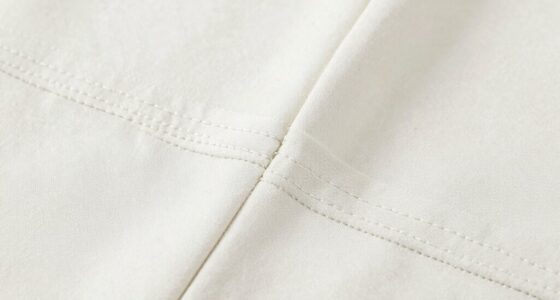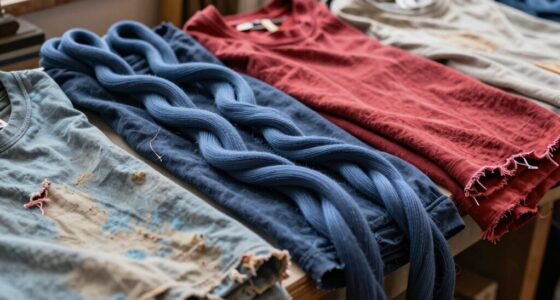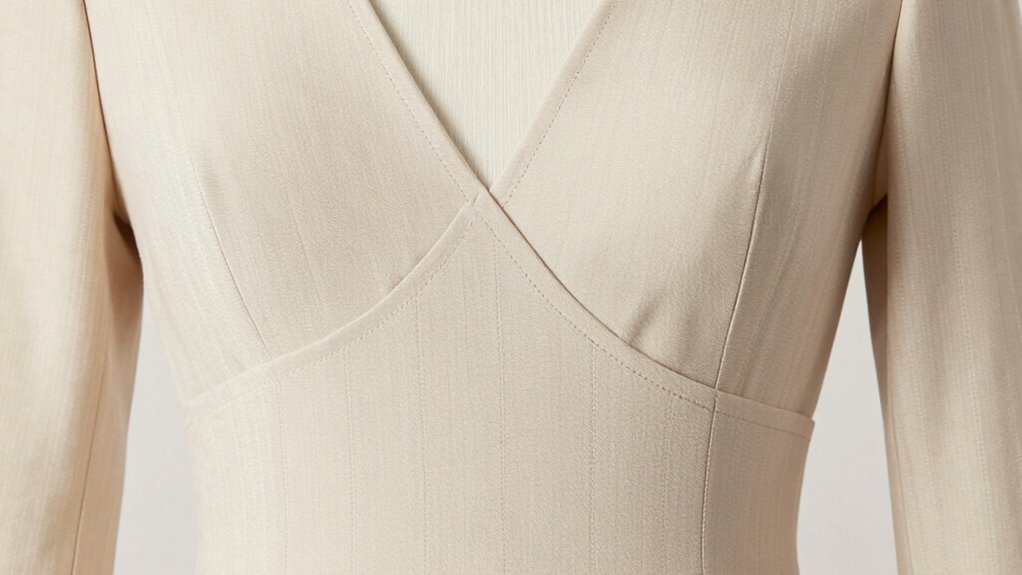

Style lines, like princess seams, yokes, and panels, shape the look and fit of your garments. Princess seams run from shoulder or armhole to waist, accentuating curves, while yokes add structure and visual interest. Panels break fabric into sections, creating dimension and design detail. Your choice of fabric and sewing techniques influence how crisp or soft these lines appear. To discover more about how these elements work together, explore further to enhance your understanding.

Get tools and workshop supplies delivered free — and shop member deals
- Fast, free delivery on millions of items
- Access to Prime Big Deal Days deals on October 6–7
- Prime Video, Amazon Music and more included
Key Takeaways
- Style lines define the shape, silhouette, and overall aesthetic of garments or interiors, influencing how they contour the body or space.
- Princess seams are curved, tailored seams that shape the garment along the body’s curves, often used for a fitted look.
- Yokes add structure and visual interest, often featuring contrasting fabrics or precise sewing to enhance fit.
- Panels divide fabric into sections, creating visual lines and dimension, often emphasized with contrasting textures or colors.
- Fabric choice and sewing techniques significantly impact the crispness, softness, and durability of style lines like princess seams, yokes, and panels.
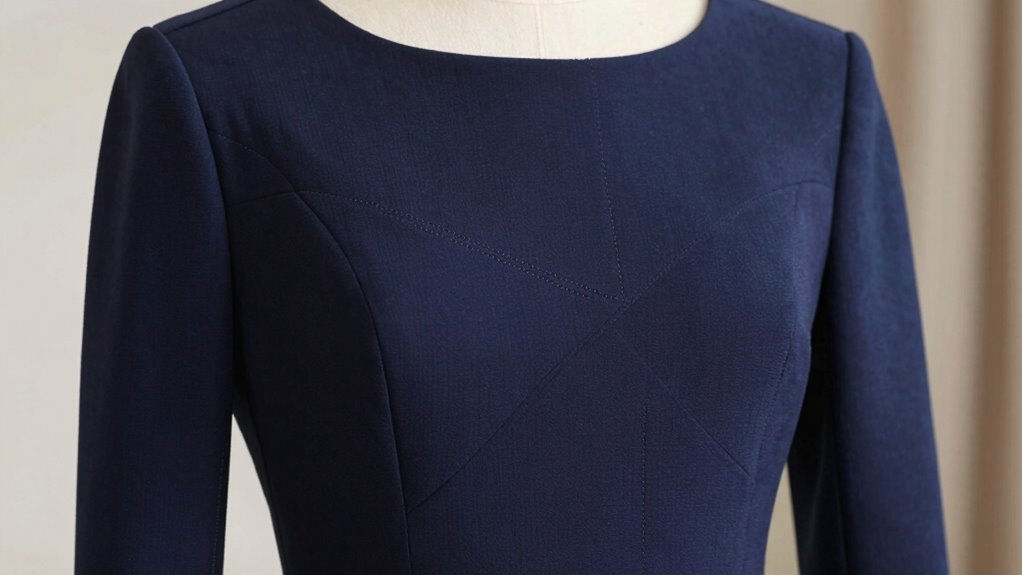
Style lines are fundamental design elements that define the overall look and feel of a garment or interior space. They guide how a piece appears, how it contours the body, and how it communicates style. When you’re designing or selecting clothing, understanding style lines helps you create or choose pieces that flatter your figure and match your aesthetic. The choices you make about fabric and sewing techniques play crucial roles in executing these lines effectively. For example, fabric choices influence how crisp or soft a style line appears. A stiffer fabric, like taffeta, emphasizes sharp princess seams, creating a tailored, structured silhouette. Conversely, a softer fabric, such as jersey, allows for more relaxed, fluid lines that drape naturally. Sewing techniques also matter—topstitching can highlight a seam, making a princess seam stand out, while flat-felled seams create clean, smooth lines that add durability and a polished look.
Style lines shape the look of garments, influenced by fabric choices and sewing techniques for tailored or fluid effects.
When working with princess seams, you’re essentially shaping the garment by sewing curved seams from the shoulder or armhole down to the waist. This technique accentuates the natural curves of your body, giving a fitted, elegant profile. The fabric you select needs to hold the shape well, so a medium- to heavyweight fabric often works best. You’ll want to use precise sewing techniques, such as staystitching and careful pressing, to ensure the seams lie flat and smooth. Proper fabric choice and sewing techniques are essential here because they determine how crisp and clean the finished line looks. If you pick a fabric that’s too flimsy, the princess seams might sag or lose their shape; if it’s too stiff, the fit could become uncomfortable. Additionally, understanding how fabric drape influences the final look can help you achieve the desired silhouette. Knowing how to manipulate fabric stability is also key to ensuring the seams hold their shape over time. Paying attention to fabric stretch can also impact how well the seams conform to the body and maintain their structure.
Yokes provide another way to define style lines, especially in shirts and dresses. They add visual interest and structure, often shaping the upper body or neckline. When sewing a yoke, you might choose a contrasting fabric or sew with a precise technique to keep the line crisp. The fabric’s weight and drape influence how sharp or subtle the yoke appears. Using sewing techniques like topstitching or edge finishing can enhance the yoke’s definition, making it a distinct style element. Panels, on the other hand, break up fabric into sections, creating visual lines that elongate or add dimension to a garment. With panels, fabric choices become strategic—using contrasting fabrics or textures can emphasize the design. Sewing techniques such as carefully matched seams and reinforcing stitches ensure these panels stay aligned and maintain their intended shape over time.
In all cases, understanding how fabric choices and sewing techniques interact allows you to craft style lines that enhance your design. Whether you’re shaping a silhouette with princess seams, defining details with yokes, or adding dimension with panels, mastering these elements helps you create garments that are not only beautiful but also well-constructed and durable.
As an affiliate, we earn on qualifying purchases.
Frequently Asked Questions
How Do Style Lines Affect Fabric Choice?
Style lines influence your fabric choice because they highlight fabric texture and color coordination. For instance, princess seams work well with smooth fabrics to create a sleek look, while yokes and panels may need more structured or textured fabrics for stability. You should pick fabrics that complement these lines, ensuring the texture enhances the design and the color coordination makes the style stand out beautifully.
Can Style Lines Be Altered After Garment Completion?
Once you’ve finished a garment, it’s not set in stone—alterations are possible if you know the right methods. You can change style lines through alteration methods like resewing or adding panels, but beware of seam reinforcement to keep the structure intact. Keep in mind, some style lines might be tricky to modify without affecting the overall fit or design, so consult a professional if you’re unsure.
Which Style Lines Are Best for Body Shape?
You should choose style lines that enhance your body shape by creating flattering illusions. For example, princess seams can elongate your torso, perfect for petite figures, while yokes add structure and definition. Panels can emphasize curves or create a slimming effect, depending on their placement. By selecting style lines that work with your body shape, you’ll achieve a more balanced, proportionate look, boosting your confidence and style effortlessly.
How Do Style Lines Influence Garment Durability?
Style lines enhance garment durability by improving fabric tension distribution and providing seam reinforcement. When you incorporate features like princess seams or yokes, you strengthen the fabric’s structure, reducing stress points. These design elements help the garment withstand wear and tear, ensuring longevity. By carefully planning style lines, you create a more resilient piece that maintains its shape and appearance through repeated use and washing.
Are Style Lines Suitable for All Clothing Types?
Style lines aren’t suitable for all clothing types, as their suitability depends on fabric, design, and purpose. Historically, fashion history shows they’ve been used for both aesthetic and practical reasons. For example, princess seams add elegance, while yokes supply structure. Cultural significance also influences their use, reflecting traditional styles or modern trends. You should consider these factors when deciding if style lines fit your garment, ensuring both function and fashion.
Conclusion
Think of style lines like the roads weaving through a city—they shape the entire landscape of your garment. Just as a well-planned street layout guides your journey smoothly, understanding princess seams, yokes, and panels helps you craft clothing that fits perfectly and looks stunning. I once designed a dress with a simple princess seam, and it transformed a basic fabric into a masterpiece that felt like it was made just for me. Embrace these lines, and your wardrobe will always tell a compelling story.
Fall yard work Picks
leaf blowers
As an affiliate, we earn on qualifying purchases.