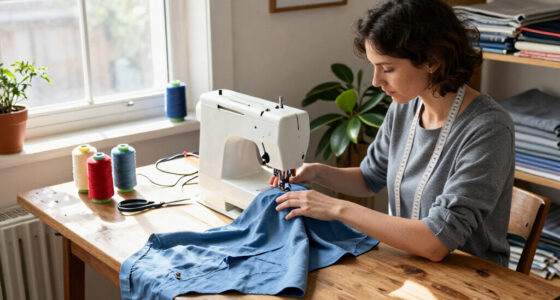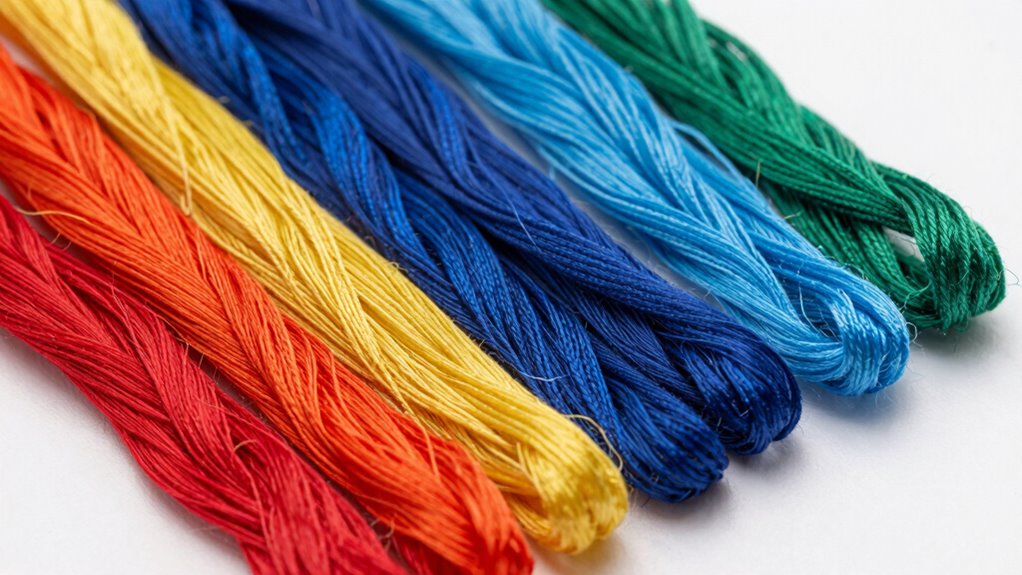

For everyday sewing, you’ll find threads made from natural fibers like cotton, silk, wool, and linen, which offer softness, breathability, and natural strength. Synthetic fibers such as polyester and nylon are also common, providing durability and resistance to wrinkles and shrinking. Recycled synthetic options are becoming popular for sustainable choices. Understanding these fiber types helps you select the right thread for your project’s performance and eco-friendliness. Keep exploring to discover how these fibers can work best for you.

Get business pricing on tools and workshop supplies
- Business-only prices and quantity discounts
- Tax-exempt purchasing
- Multiple users, one account, clear invoices
Key Takeaways
- Natural fibers like cotton and silk offer softness, breathability, and traditional appeal, suitable for delicate and breathable sewing projects.
- Synthetic fibers such as polyester and nylon provide strength, durability, and resistance to shrinking, ideal for heavy-duty or everyday items.
- Organic and sustainable fibers are available, reducing environmental impact while maintaining quality for eco-conscious sewing.
- Blended threads combine natural and synthetic fibers for balanced performance and enhanced durability.
- Understanding fiber properties helps select the right thread for specific fabrics and project requirements.
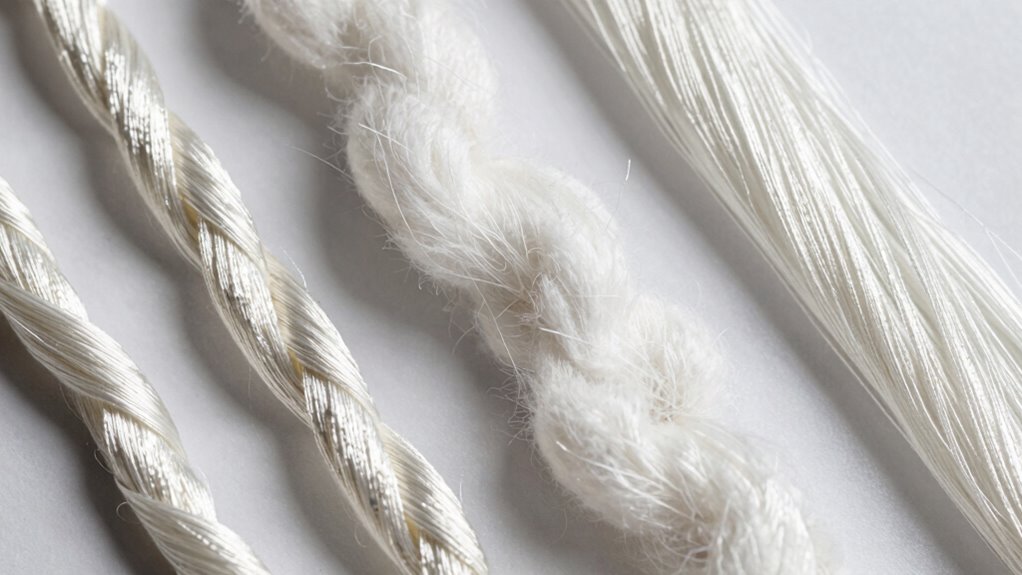
Understanding the different types of thread fibers is essential for choosing the right material for your sewing projects. When selecting thread, considering sustainable fiber choices can help you make more eco-friendly decisions, supporting both environmental health and the longevity of your craft. The development of thread fibers has evolved significantly over time, reflecting advances in technology and shifts toward sustainability. Historically, fiber development was driven by the availability of raw materials and the needs of different cultures, resulting in a diverse array of natural fibers like cotton, wool, silk, and linen. Today, this history influences your options, as modern fibers combine traditional qualities with innovations aimed at reducing environmental impact.
Natural fibers like cotton and silk have long been favored for their strength, softness, and breathability. Cotton, in particular, remains popular because it’s renewable, biodegradable, and widely available. However, conventional cotton production can be resource-intensive, prompting a movement toward organic cotton for more sustainable fiber choices. Silk, prized for its luxurious sheen, is derived from silkworms and has a rich historical fiber development, dating back thousands of years. While beautiful, silk also raises concerns about the environmental footprint of silk farming, leading to the rise of alternative natural fibers like hemp and bamboo, which are becoming more popular for their sustainability and durability. Additionally, sustainable fiber options are increasingly being developed to address these concerns and provide eco-friendly alternatives.
Synthetic fibers, like polyester and nylon, emerged in the 20th century as innovations that offered affordability, strength, and resistance to shrinking or wrinkling. These fibers are created from petrochemicals, which raise environmental concerns due to their non-renewable nature and difficulty in biodegrading. As awareness grows about environmental impact, many sewers are exploring blends or switching entirely to more sustainable options, such as recycled polyester made from plastic bottles. This shift reflects a broader trend in fiber development where sustainability is becoming a key factor, influencing both the production and selection process. Additionally, ongoing research in biodegradable synthetic fibers** aims to reduce the ecological footprint of these materials. Moreover, advancements in recycling technologies are making sustainable synthetic fibers more accessible and effective. In addition, the development of renewable synthetic fibers is showing promising results for combining durability with eco-friendliness. It is also important to consider the life cycle** of the fibers, from production to disposal, to truly assess their environmental impact.
In the end, understanding your options involves knowing the balance between the fiber’s performance characteristics and its environmental footprint. While natural fibers generally align with sustainable fiber choices, their cultivation methods matter greatly. Conversely, innovations in synthetic fibers aim to reduce ecological harm while maintaining durability. Your choice of thread fiber type depends on the project’s demands, your environmental values, and your desire for quality and longevity. By understanding the historical fiber development and current sustainable options, you make informed decisions that benefit both your sewing projects and the planet.
Popular right now

Samsung 42-Inch Class OLED S90F 4K Smart TV (2025)

KitchenAid Artisan Series 5-Quart Tilt-Head Stand Mixer, Dried Rose (KSM150PS)

KitchenAid Artisan 5-Quart Tilt-Head Stand Mixer, Almond Cream
As an affiliate, we earn on qualifying purchases.
Frequently Asked Questions
Which Thread Fiber Is Best for Outdoor Sewing Projects?
For outdoor sewing projects, you should choose waterproof fibers and UV resistant threads. These materials stand up to weather, moisture, and sun exposure, ensuring your projects last longer. Waterproof fibers prevent water penetration, while UV resistant threads resist fading and weakening from sunlight. By selecting these specialized threads, you’ll protect your outdoor gear, tents, or awnings from the elements, making your sewing durable and weatherproof for years to come.
Are Natural Fibers More Durable Than Synthetic Ones?
Natural fibers are like delicate leaves—they can degrade faster under harsh conditions, making them less durable. Synthetic fibers, on the other hand, are like sturdy trees—they resist fiber degradation and hold up well outdoors. While natural fibers offer breathability, synthetic fibers benefit from greater strength, elasticity, and weather resistance. So, if durability is your main concern, synthetic fibers generally outperform natural ones in outdoor sewing projects.
How Do Fiber Types Affect Sewing Machine Tension?
Fiber types directly impact your sewing machine tension because different fibers have varying stretch and elasticity. Natural fibers like cotton stretch less, requiring tighter tension adjustments to prevent puckering, while synthetic fibers like polyester stretch more, needing looser tension to avoid loose stitches. When you switch fiber types, you should test and adjust your tension settings accordingly, ensuring best stitch quality without puckering or loose threads.
Can I Mix Different Fiber Types in One Project?
Yes, you can mix different fiber types in one project, but it’s important to take into account fiber compatibility. Some fibers, like cotton and polyester, work well together, while others, like silk and nylon, might cause tension issues. Use thread mixing tips to match the weights and finishes of your threads, and always test on scrap fabric first to ensure smooth sewing and balanced tension.
What Environmentally Friendly Thread Fiber Options Are Available?
Think of choosing eco-friendly thread fibers as planting a garden that blooms sustainably. You can opt for biodegradable materials like organic cotton, hemp, or bamboo, which break down naturally and reduce waste. Recycling initiatives also offer threads made from recycled polyester, giving new life to plastic bottles and reducing landfill impact. By selecting these options, you help protect the environment while creating beautiful, responsible sewing projects.
Conclusion
So, now that you’re familiar with the different thread fiber types, you’re better equipped to choose the perfect match for your sewing projects. Think of it as finding just the right outfit for a special occasion—comfort and style matter. With a little practice, selecting the right thread will feel as natural as chatting with an old friend. Happy sewing, and enjoy the journey of turning fabric into something truly special!