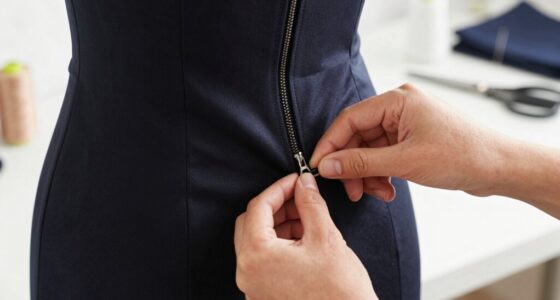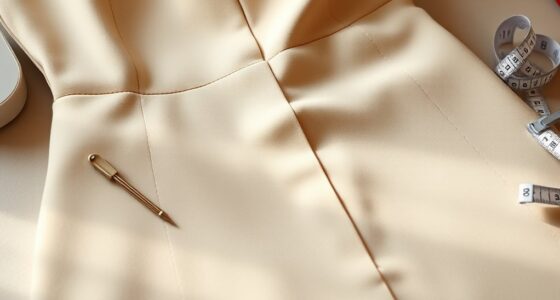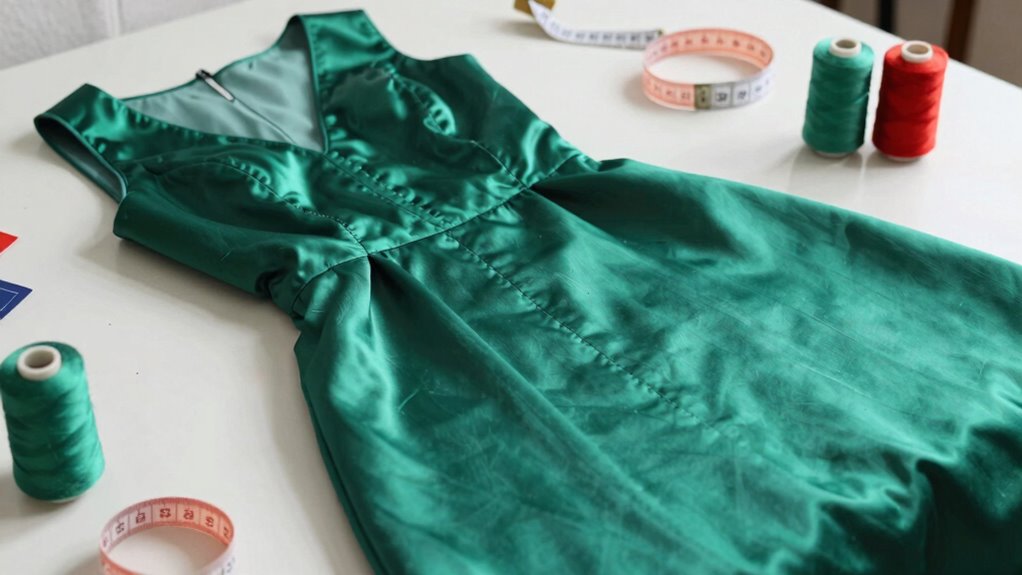
Ignoring finished garment measurements can cause your clothing to fit poorly, look unprofessional, and lead to inconsistencies across collections. You risk creating uncomfortable or ill-fitting garments that may need rework, wasting time and resources. Without accurate measurements, fabric stretch and sewing inaccuracies become major issues, harming both quality and reputation. If you want to build confidence in your fit and guarantee your garments meet high standards, understanding the importance of measurements is essential—there’s more to discover here.
Prime for Young Adults — start your free trial
Fast free delivery, streaming and member deals for eligible 18–24 year olds.
As an affiliate, we earn on qualifying purchases.
Key Takeaways
- Garments may fit improperly, causing discomfort or the need for costly rework.
- Inconsistent sizing leads to customer dissatisfaction and higher return rates.
- Poorly aligned seams and construction errors compromise overall garment quality.
- Ignoring measurements can result in fabric waste and increased production time.
- Brand reputation suffers due to perceived lack of professionalism and quality control.
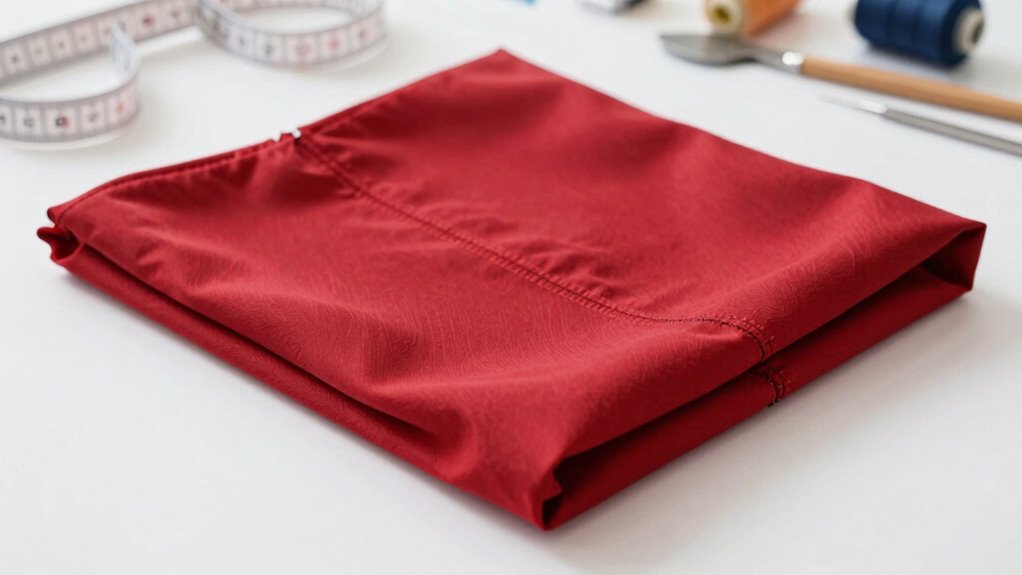
Have you ever wondered why finished garment measurements are essential in clothing production? When you skip or ignore these measurements, you risk ending up with clothing that doesn’t fit properly, no matter how well you sew or how high-quality your fabric is. Finished measurements are the final word on your garment’s size, and they’re vital for ensuring a consistent, professional fit. If you overlook them, you might find yourself facing a range of issues, from uncomfortable clothing to increased waste and rework.
One major consequence of ignoring finished measurements relates to fabric stretch. Many fabrics, especially knits and stretchy textiles, change shape after they’re sewn. If you don’t account for this elasticity in your measurements, your final garment might be too tight or too loose. For instance, a fabric with significant stretch could make a garment feel comfortable during fitting but become excessively tight after washing or wear. Conversely, fabrics with little or no stretch might result in a loose fit if measurements aren’t precise. Understanding how fabric stretch impacts finished measurements helps you plan correctly, ensuring your garment maintains its intended fit over time. Additionally, fabric properties such as elasticity can vary widely, making accurate measurements even more critical for achieving the desired outcome. Recognizing the influence of fabric behavior during construction can help prevent sizing issues later on.
Sewing accuracy also suffers when finished measurements are neglected. Precise measurements act as a guide that keep your sewing aligned with the pattern’s intended fit. Without them, seams may end up uneven, and critical areas like shoulders, armholes, or waistlines can be misaligned. This leads to garments that look poorly constructed and feel uncomfortable. When you rely on accurate finished measurements, you can double-check each step, catching errors early and making adjustments before completing the project. Ignoring these measurements often results in wasted fabric, time, and effort, as you may need to redo parts or start over entirely.
Furthermore, neglecting finished measurements can cause sizing inconsistencies, especially if multiple garments are part of a collection or line. Without standardization, each piece may fit differently, confusing your customers or causing returns. This inconsistency damages your reputation and increases costs. Precise finished measurements also facilitate better communication with clients or manufacturers, ensuring everyone is on the same page about fit and sizing expectations.
In addition, understanding the impact of fabric stretch and how it influences finished measurements is crucial for achieving desirable results in your sewing projects. Paying attention to these measurements ensures your garments are both functional and attractive.
In the end, ignoring finished garment measurements jeopardizes the overall quality, fit, and professionalism of your clothing. Whether dealing with fabric stretch or aiming for sewing accuracy, these measurements are your blueprint for success. They help you create garments that fit well, feel comfortable, and look polished. Paying attention to them ensures your finished product meets your standards—and your customers’ expectations—every time.
As an affiliate, we earn on qualifying purchases.
Frequently Asked Questions
How Do Finished Garment Measurements Affect Overall Fit?
Finished garment measurements directly influence your overall fit, ensuring it’s comfortable and flattering. If measurements are accurate, you’ll get consistent fit across different sizes and styles, preventing surprises. Ignoring measurement accuracy can lead to garments that are too tight or too loose, compromising fit consistency. Properly taking and checking finished measurements helps you achieve the perfect fit every time, so your clothing looks and feels just right.
Can Ignoring Measurements Cause Clothing to Be Unwearable?
Ignoring finished garment measurements can make your clothing unwearable. For example, a dress made without checking size consistency might fit poorly if the fabric stretches or shrinks. This oversight causes discomfort and potential wardrobe malfunctions. If you skip measuring properly, the garment may be too tight or loose, especially after washing. Ensuring accurate measurements helps prevent these issues, keeping your clothes comfortable and wearable over time.
Are Finished Measurements Different for Men and Women?
Finished measurements are indeed different for men and women due to gender-specific sizing and body shape differences. You should prioritize measurement accuracy to guarantee a proper fit. Men’s garments typically have larger chest, shoulder, and waist measurements, while women’s clothing emphasizes bust, hips, and waist. Ignoring these differences can lead to uncomfortable or unwearable clothing, so always check the specific sizing charts for each gender to get the best fit.
How Do Fabric Types Influence Finished Garment Measurements?
Fabric types are like personalities—some stretch and others stay firm. When you choose fabrics with stretch, your finished garment might measure smaller, so your measurements need to be adjusted for accuracy. Non-stretch fabrics require precise measurements to prevent sizing issues. Ignoring fabric stretch can lead to ill-fitting clothes. By understanding how fabric types influence finished measurements, you guarantee your garment fits perfectly and maintains its shape over time.
What Tools Are Best for Checking Finished Measurements?
You should use a flexible tape measure for checking finished measurements because it offers high measurement accuracy and tool precision. A sewing gauge and ruler also help guarantee precise measurements, especially for shorter distances like seam allowances. Always double-check with these tools to catch errors early. Avoid using rigid or inaccurate tools, as they can lead to measurement discrepancies, affecting the fit and quality of your finished garment.
Conclusion
Ignoring finished garment measurements is like sailing without a compass—you risk drifting into ill-fitting territory. When you overlook these essential numbers, your garments might end up too tight or too loose, leaving your customers disappointed or your project behind schedule. Precise measurements are the anchor that keeps your sewing ship steady, ensuring every piece fits just right. Don’t let careless neglect turn your craft into a shipwreck—measure wisely and steer confidently toward success.
NFL season / tailgating Picks
team gear
As an affiliate, we earn on qualifying purchases.