Your crochet project stretches out more depending on your tension techniques, stitch pattern, and fiber choice. Looser tension and open stitch patterns like mesh make your fabric more stretchy, while tighter tension and dense stitches resist stretching. Lightweight or elastic fibers also increase elasticity. How you control tension and select fibers affects how much your piece will stretch over time. Keep exploring these factors to better understand how to make projects that stretch just right.

Get business pricing on tools and workshop supplies
- Business-only prices and quantity discounts
- Tax-exempt purchasing
- Multiple users, one account, clear invoices
Key Takeaways
- Looser tension and larger stitches increase fabric stretchability in crochet projects.
- Open stitch patterns like lace or mesh naturally allow more stretching.
- The use of stretchy yarns and fibers enhances overall project elasticity.
- Smaller hooks and denser stitches create firmer, less stretchy fabric.
- Proper tension control tailored to fiber and stitch type determines final stretch.
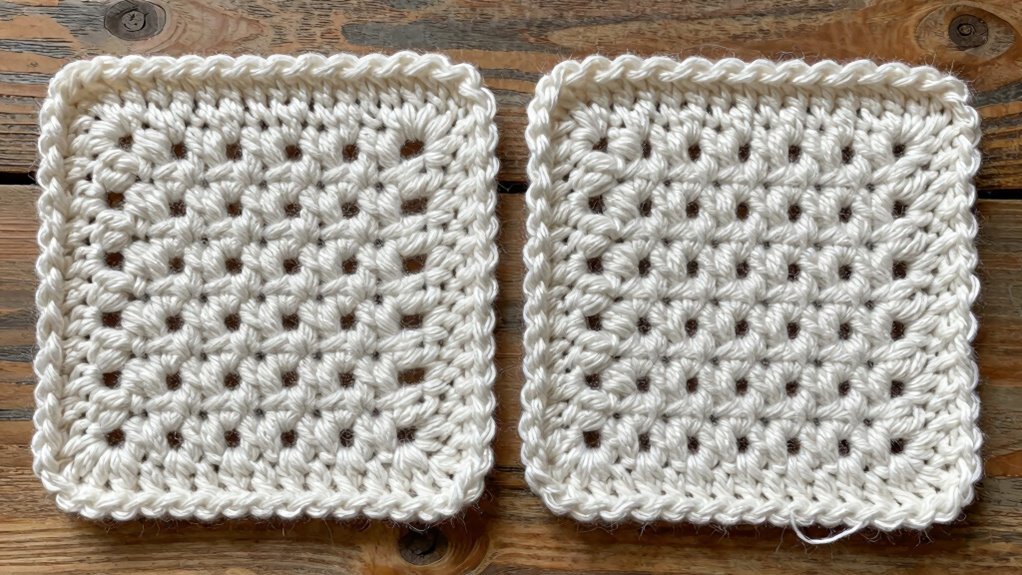
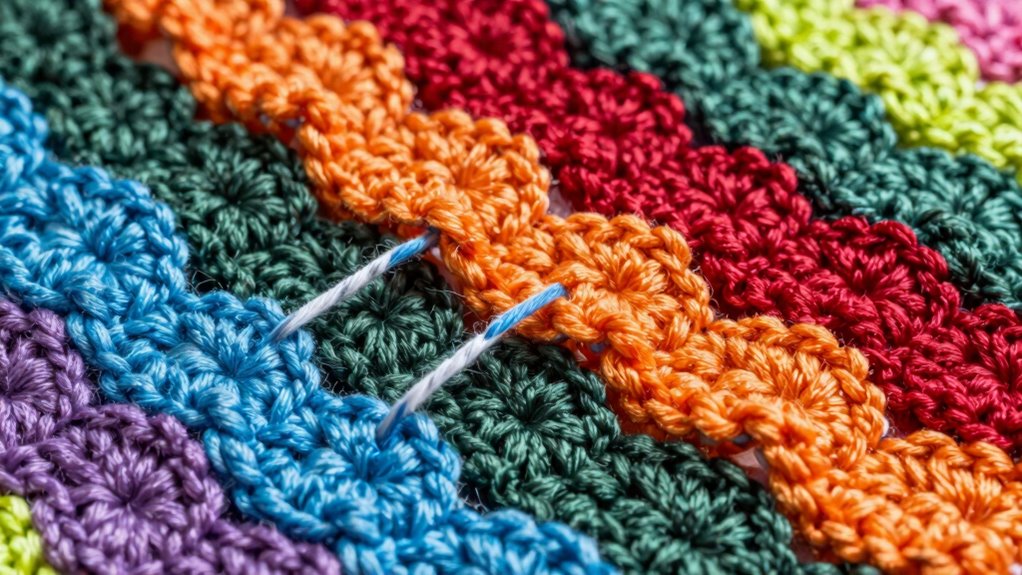
Your crochet tension techniques play an essential role in how much your finished piece will stretch. If you crochet with loose tension, your stitches will be larger and have more space, allowing the fabric to stretch out more easily. Tight tension results in a denser fabric that resists stretching, which is ideal for projects that need to hold their shape. Finding a balance in your tension is key; too loose, and your project might become overly stretchy and lose form, too tight, and it might be stiff and less flexible. Practicing consistent tension ensures your project stretches uniformly and maintains its intended size and shape. When working on a project meant to stretch, you can intentionally loosen your tension slightly to increase elasticity, but be cautious not to compromise the overall structure. Additionally, crochet tension techniques influence the stretchability by affecting stitch size and fabric density. Furthermore, the way you handle your crochet tension techniques influences the stretchability. For example, using larger hooks or working with lighter yarns can produce a more open, stretchy fabric. Conversely, smaller hooks and denser stitches will create a firmer, less flexible piece. Adjusting your tension techniques based on the desired outcome allows you to control the extent of stretch in your project. Remember that the stitch pattern also impacts stretchiness; more open stitches like mesh or lacy patterns naturally allow more give, while tight, dense stitches offer less flexibility. Incorporating fiber choice into your planning can further enhance the stretchability, as different yarns have varying elasticity and resilience. Experimenting with different tension control methods can help you refine your technique to achieve the perfect stretch for your project. Using stretchy yarns can also significantly influence the final elasticity, giving you more options to tailor your project’s stretchiness. Combining the right yarn fiber choices with mindful tension techniques lets you craft crochet projects that stretch just enough to be comfortable and functional, whether you’re making accessories, garments, or home decor. Additionally, understanding how fiber elasticity interacts with tension can help you better predict the final stretch of your finished piece.
As an affiliate, we earn on qualifying purchases.
Frequently Asked Questions
Can Washing Methods Prevent Crochet Project Stretching?
Yes, washing methods can prevent crochet project stretching by preserving fiber elasticity and dye absorption. Use gentle, cold water and a mild detergent to maintain the yarn’s elasticity, reducing the risk of stretching. Avoid wringing or twisting your project, which can distort its shape. By handling your crochet carefully during washing, you help keep its original form, ensuring the fiber’s elasticity remains intact and dye absorption stays vibrant.
Do Certain Yarn Colors Affect Stretching?
Certain yarn colors can affect stretching because color fading and yarn dyeing processes influence fiber properties. Darker or heavily dyed yarns might be more prone to stretching if the dyeing weakens the fibers or causes uneven tension. When you choose yarns with vibrant or heavily saturated colors, be aware that improper dyeing can alter elasticity. To minimize stretching, opt for well-dyed, high-quality yarns and wash gently to preserve their shape and color.
Is It Better to Block or Steam Projects to Control Stretch?
Think of blocking and steaming as your project’s breath and heartbeat. Blocking is like giving it a gentle, steady stretch, helping fibers settle with consistent tension, controlling elasticity. Steaming offers a quick, tender caress that softens fibers, but without the same control over stretch. For best results, use blocking to shape and tame fiber elasticity, ensuring your project maintains its form and resists unwanted stretching.
How Does Hook Size Influence Stretchiness?
Using a larger hook can make your crochet projects stretchier because it reduces tension consistency and fiber elasticity, resulting in looser stitches. Conversely, smaller hooks create tighter stitches, minimizing stretch. The hook size influences how fibers behave under tension, affecting elasticity. To control stretchiness, choose a hook size that balances your tension and the fiber’s elasticity, ensuring your project maintains its shape after blocking or wearing.
Can Adding Elastic Yarn Reduce Stretching?
Adding elastic yarn can help prevent stretching by providing flexibility and resilience. Elastic yarn introduces stretchiness, allowing your project to maintain its shape longer. It’s like a safety net for your stitches, preventing over-stretching and sagging. When you incorporate elastic yarn, you’re effectively enhancing stretch prevention, ensuring your crochet creation stays snug and secure, even after wear and washing. It’s a simple yet smart solution for maintaining your project’s perfect form.
Conclusion
Just like a river flows freely, your crochet projects can stretch and breathe with life. Understanding how different stitches and fibers behave lets you guide your creation’s journey, ensuring it retains its shape or stretches gracefully when needed. Think of each project as a seed—nurtured with care, it grows into something beautiful and resilient. Embrace the ebb and flow of your craft, and watch your crochet pieces bloom with personality and charm.
Fall Picks
fall essentials
As an affiliate, we earn on qualifying purchases.