
Pattern symbols that look like hieroglyphs often carry deep cultural meanings, representing ideas, emotions, or traditions rooted in ancient symbolism. They serve as visual storytelling tools found in textiles, architecture, and modern design, inspired by historical art forms. While some mimic authentic hieroglyphs with specific signs, others are decorative or symbolic, often reflecting universal themes like life and spirituality. To understand their true significance and respectful use, explore their origins—there’s more to uncover beyond their aesthetic appeal.
Key Takeaways
- Pattern symbols resembling hieroglyphs are visual storytelling tools conveying ideas, emotions, or cultural values rather than literal language.
- They draw inspiration from ancient art, using simplified forms and symbols with deep cultural significance to evoke recognition.
- These symbols are widely used in textiles, architecture, and decor to reflect heritage, spirituality, or universal themes.
- Proper understanding of their cultural context is essential to avoid misinterpretation or offense.
- Their meaning varies across cultures; respectful, informed use preserves their symbolic integrity and significance.
What Are Pattern Symbols That Look Like Hieroglyphs?
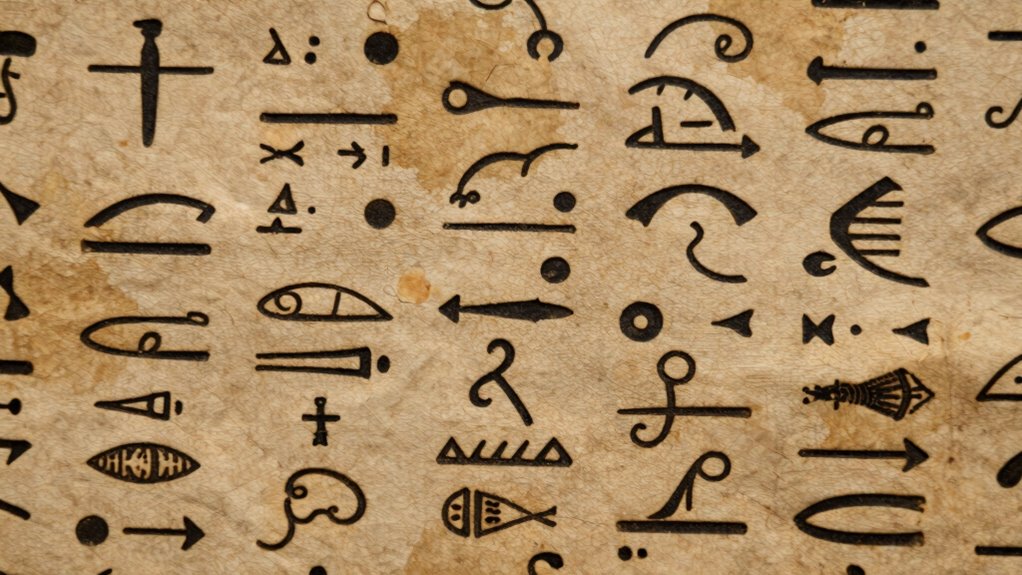
Have you ever noticed symbols that resemble ancient hieroglyphs, but actually serve a different purpose? These are pattern symbols, which are often used for symbolic storytelling rather than representing literal language. Unlike true hieroglyphs, their main goal isn’t to decode a message but to convey ideas, emotions, or cultural values through visual symbols. Many of these patterns draw on historical symbolism, rooted in specific traditions or artistic styles, and are designed to evoke certain meanings or associations. They can be found in textiles, architecture, and decorative arts, serving as visual shorthand for complex concepts. While they might look like ancient writing, their primary purpose is to communicate symbolically, emphasizing aesthetic and cultural significance rather than linguistic clarity. Vetted – Berkley Vallone These symbols often incorporate cultural symbolism, connecting modern designs to historical contexts and collective identities. Additionally, design principles are frequently employed to create visually compelling and meaningful patterns that resonate across different cultures and time periods. Recognizing these visual storytelling techniques can deepen our appreciation for the cultural depth embedded in everyday objects and designs. Furthermore, understanding the symbolic language behind these patterns reveals how humans have historically used imagery to express shared values and beliefs.
Why Do Some Symbols Resemble Ancient Hieroglyphs?

Some symbols resemble ancient hieroglyphs because artists draw inspiration from ancient art forms. They intentionally create designs that mimic visual styles, making symbols more meaningful or recognizable. Cultural symbolism also influences these patterns, connecting modern designs to historical meanings. Additionally, the use of educational resources by gold IRA providers helps investors understand these symbolic influences and their significance. Recognizing the influence of water-themed imagery, such as waves or aquatic motifs, can deepen appreciation for how water symbolism permeates various artistic styles. The incorporation of historical art techniques further enhances the authenticity and depth of these symbolic designs. Moreover, understanding the visual language behind these symbols helps decode their deeper cultural or spiritual meanings. Exploring symbolic patterns used across different cultures reveals how shared motifs can carry universal messages.
Inspiration From Ancient Art
You might notice that many modern symbols resemble ancient hieroglyphs, sparking curiosity about their origins. This resemblance often comes from ancient symbolism that has influenced contemporary design. Artists and designers draw inspiration from these symbols because they carry deep meanings and cultural significance. The visual language of ancient art provides a rich source of artistic inspiration, encouraging creators to incorporate similar shapes and motifs into modern patterns. These symbols evoke a sense of history and timelessness, making them appealing for branding, logos, and decorative elements. By referencing ancient symbolism, modern designs tap into a universal visual vocabulary that resonates across cultures, connecting the past with the present in meaningful ways. It’s a deliberate homage to the enduring power of ancient art.
Visual Similarity By Design
Design choices often intentionally evoke the visual language of ancient hieroglyphs to create immediate recognition and emotional impact. By mimicking their bold lines and simplified forms, designers enhance symbol recognition, making symbols instantly understandable. This deliberate similarity isn’t accidental; it draws on our innate familiarity with hieroglyphic shapes, leveraging design inspiration from historical visual cues. When symbols resemble ancient hieroglyphs, they tap into cultural subconsciousness, allowing quick comprehension across diverse audiences. This strategy also adds a layer of aesthetic appeal, blending tradition with modern clarity. Additionally, visual symbolism plays a key role in conveying complex ideas efficiently. Ultimately, the visual similarity isn’t about coincidence but careful planning, helping users connect more deeply with symbols through familiar, impactful imagery rooted in centuries-old design principles.
Cultural Symbolism Influences
Cultural symbolism plays a significant role in why certain symbols resemble ancient hieroglyphs. These designs often draw from deep-rooted meanings in ancient symbolism, reflecting universal themes like life, nature, and spirituality. As cultures evolve, they incorporate these motifs into their aesthetic expressions, shaping cultural aesthetics that resonate across generations. When you see these symbols, you’re witnessing visual echoes of shared human experiences and collective memory. They evoke powerful emotions, connecting you to history and tradition. These symbols aren’t random; they’re influenced by cultural symbolism that has persisted through time. Understanding this helps you appreciate the rich history behind what might seem like simple patterns. It’s a testament to how human creativity and cultural heritage intertwine, giving symbols a timeless significance.
Where Do These Symbols Usually Appear in Modern Design?
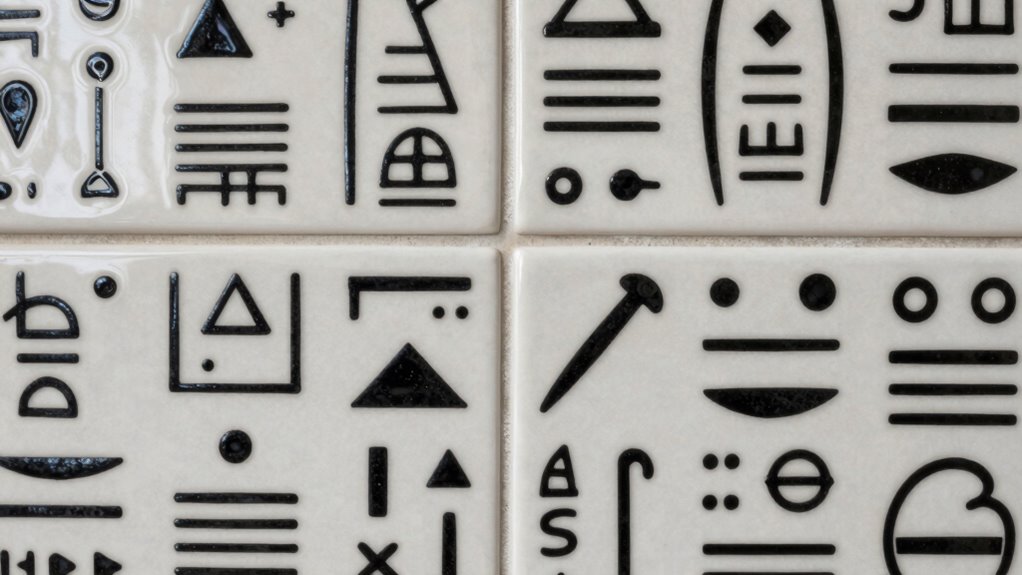
You’ll often see these symbols in textile and fabric patterns, adding a touch of mystery and tradition. Brands and logos also incorporate them to evoke a sense of heritage or uniqueness. Additionally, they’re popular in home decor elements like wallpaper and ceramics to create striking visual accents. Sometimes, these symbols are used to convey cultural significance and connect to historical storytelling through design. In some cases, their recurring presence hints at secret communication methods or symbolic meanings rooted in ancient codes.
Textile and Fabric Patterns
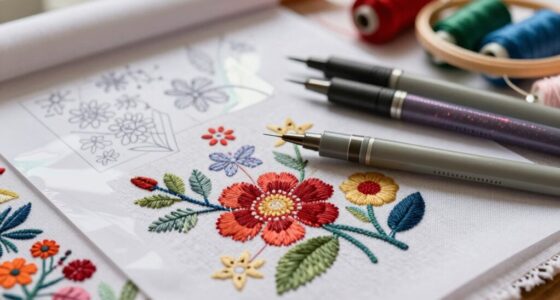
Have you noticed that symbols resembling hieroglyphs often appear on modern textiles and fabrics? These intricate patterns aren’t just decorative; they carry symbolic interpretations inspired by ancient cultures. You’ll find them on clothing, upholstery, and accessories, adding depth and mystery. These symbols serve as a bridge to artistic influence from historical art forms, blending tradition with contemporary style. They evoke emotions like curiosity, reverence, and wonder, making each piece unique. Whether woven into a tapestry or printed on a shirt, their presence invites you to explore their meanings. These patterns transform everyday textiles into storytelling canvases, connecting you to centuries of cultural symbolism and artistic expression. They remind you that fabric can be more than just material—it’s a vessel of history and art. Understanding symbolic patterns can deepen your appreciation for these designs and their cultural significance. Recognizing the cultural symbolism behind these motifs can also enhance your connection to the stories they tell.
Branding and Logos
Symbols resembling hieroglyphs frequently appear in modern branding and logos, where they serve to create memorable and distinctive identities. These symbols act as a form of symbolic expression, conveying core values or messages at a glance. You’ll often see them in logo design, packaging, and advertising, where they enhance visual storytelling. Their placement can be strategic, from product labels to corporate signage, reinforcing brand recognition. When selecting symbols for branding, understanding Gold IRA Rollovers ensures that investments are aligned with long-term financial security.
Home Decor Elements
In modern home decor, these hieroglyph-like symbols often appear as decorative accents that add a touch of mystery and cultural depth. You might notice them woven into wall art, throw pillows, or ceramic vases, transforming everyday spaces into intriguing environments. These symbolic art pieces evoke curiosity and invite conversation, making your home feel unique and personalized. They serve as powerful decorative motifs that connect you to ancient traditions and stories. Incorporate them to create a sense of harmony, spirituality, or adventure in your living space. The subtle yet striking presence of these symbols can evoke feelings of wonder, reverence, or inspiration. They’re not just decorations—they’re expressions of identity and cultural appreciation that enrich your home’s ambiance.
What Are the Cultural Origins of Hieroglyphic-Inspired Symbols?
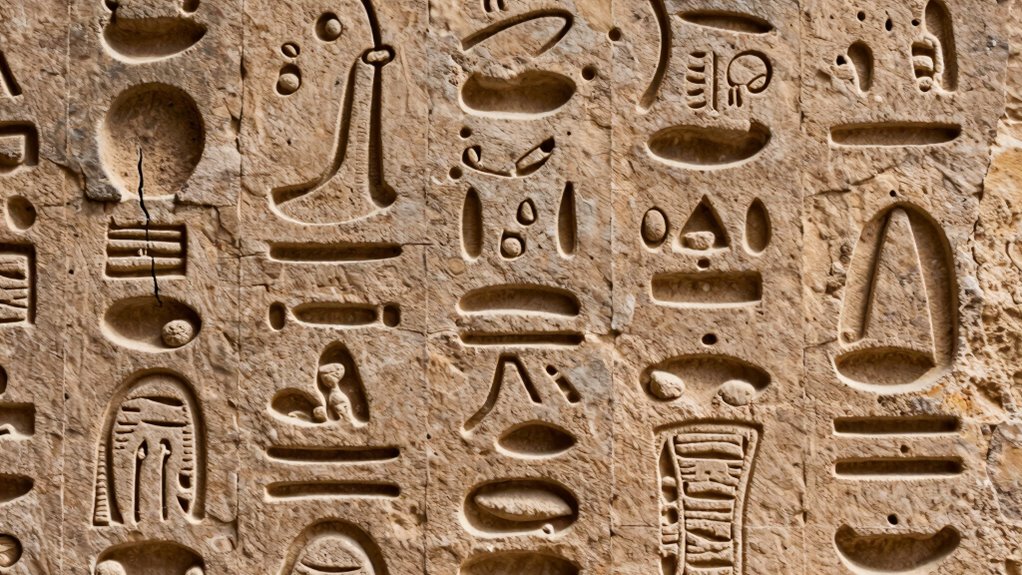
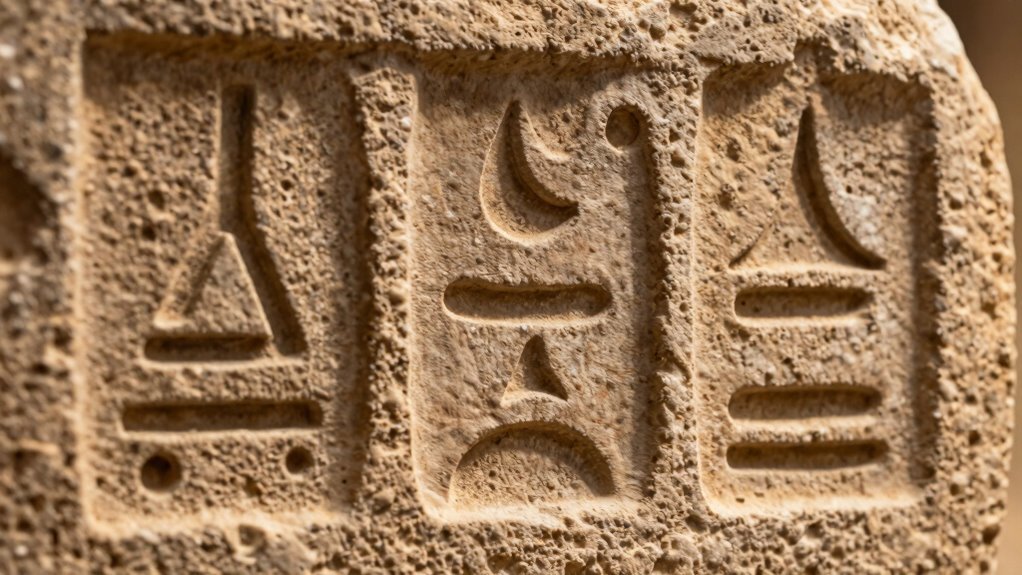
Hieroglyphic-inspired symbols draw their roots from ancient Egypt, where hieroglyphs served as a complex system of writing and communication. These symbols embody rich cultural symbolism, representing gods, nature, and daily life. Their design reflects the importance of visual storytelling in ancient writing, conveying meaning beyond words. As these symbols traveled beyond Egypt, they influenced art and design in other cultures, often symbolizing universal themes like protection, power, and spirituality. You’ll notice similar motifs in patterns worldwide, showing how ancient civilizations used symbolic imagery to connect with their beliefs and values. The cultural origins of these symbols reveal a long history of using visual language to communicate complex ideas, transcending mere decoration and becoming meaningful emblems rooted in ancient traditions. Additionally, modern design often draws inspiration from these ancient symbols, blending historical significance with contemporary aesthetics and cultural heritage preservation. Recognizing these origins helps us appreciate the enduring power of visual symbolism in human history.
What Do These Symbols Mean in Different Cultures?
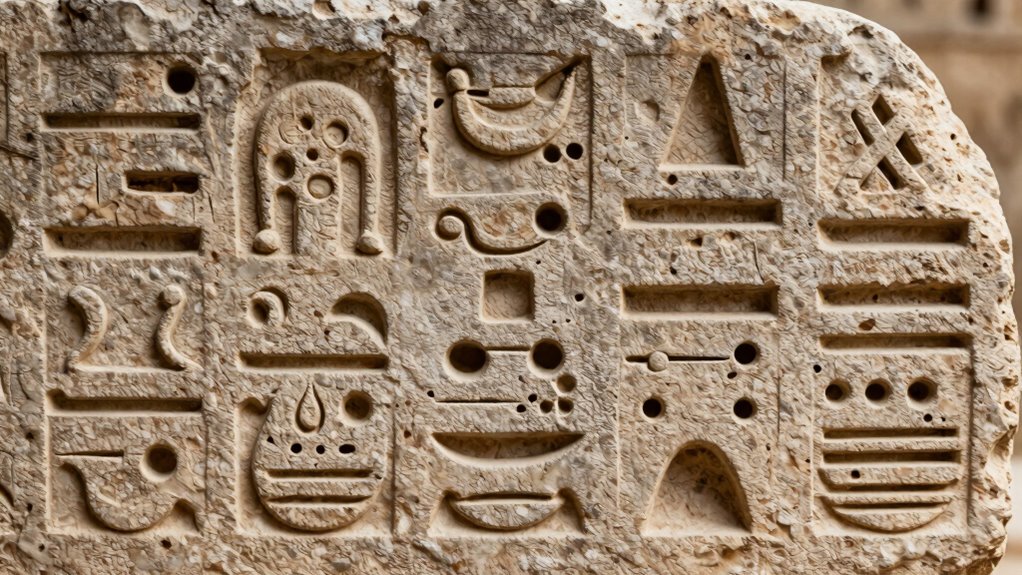
Have you ever wondered how similar symbols can carry different meanings across cultures? These symbolic representations often evoke powerful emotions and cultural interpretations that vary widely. For example:
- A symbol representing prosperity in one culture may signify loss in another.
- Certain motifs are sacred in some traditions but seen as decorative elsewhere.
- Colors and shapes can symbolize protection or danger depending on cultural context.
- Some symbols are universal, yet their significance shifts based on local beliefs and history.
- Recognizing the cultural significance of symbols helps prevent misunderstandings and fosters respect for diverse traditions.
- Understanding the symbolic language used across different societies enhances cross-cultural communication and appreciation.
- Being aware of cultural symbolism is especially important for those involved in international relations or multicultural environments.
Understanding these differences helps you appreciate the rich diversity behind each pattern. Recognizing how symbolic representations are interpreted across various cultures allows you to avoid miscommunication and deepen your respect for different traditions. It’s a reminder that symbols are more than images—they’re woven into the fabric of cultural identity.
How Can You Recognize Authentic Hieroglyphic-Inspired Symbols?

Wondering how to tell if a symbol is truly authentic or just a modern imitation? Start by examining its design closely. Authentic hieroglyphic-inspired symbols often reflect ancient writing styles, with consistent line work and symbolic detail rooted in historical context. Look for signs of skillful craftsmanship and natural imperfections, which suggest hand-carved origins, rather than overly polished or uniform shapes common in modern reproductions. To improve your symbol interpretation, familiarize yourself with genuine hieroglyphs and their meanings from credible sources. Authentic symbols usually follow specific stylistic conventions, making them recognizable to those who understand ancient writing systems. Recognizing these stylistic features can also help distinguish authentic hieroglyphs from replicas, especially when considering their stylistic conventions. Additionally, understanding symbolic conventions used in ancient Egypt can greatly enhance your ability to identify genuine artifacts. By studying these details, you can better distinguish real hieroglyphic-inspired symbols from imitations and appreciate their historical significance.
Do These Symbols Carry Hidden Messages or Meanings?
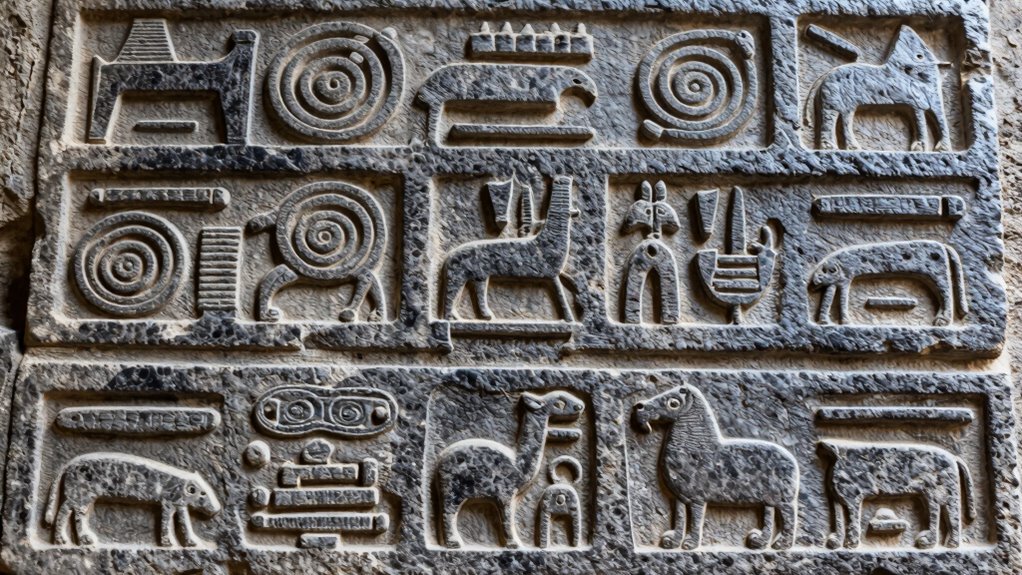
Many symbols appear to carry hidden messages or deeper meanings beyond their visual design, prompting curiosity about their true significance. You might wonder if these symbols hide secret messages or symbolic interpretation that adds layers of meaning. While some believe design symbolism conveys specific ideas, others see them as aesthetic choices.
Consider these points:
- They evoke strong emotions through their mysterious appearance.
- Some believe they encode secret messages only certain eyes can decipher.
- Others see them as universal symbols representing concepts like life or power.
- Many view them as cultural artifacts with historical significance.
Ultimately, whether or not these symbols truly carry hidden meanings depends on context and interpretation. They may be simple design symbolism or serve as a gateway into deeper cultural or spiritual messages.
How Can You Use Hieroglyphic-Style Symbols Respectfully?
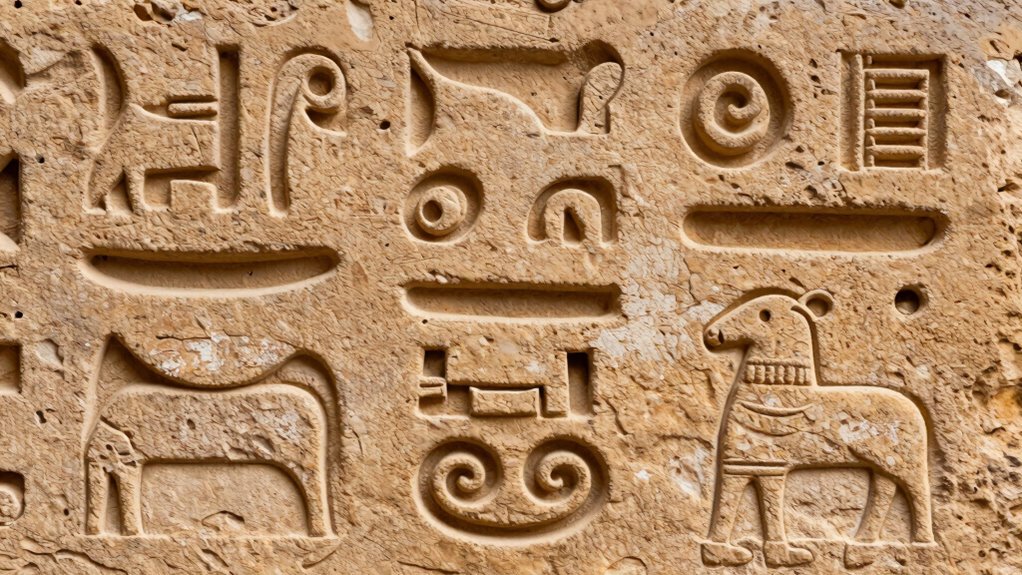
Using hieroglyphic-style symbols respectfully involves understanding their cultural origins and avoiding appropriation. You should educate yourself about the history and significance of these symbols to show cultural sensitivity. Recognize that many hieroglyphic designs are part of a rich heritage and hold deep meaning for the cultures they originate from. When using these symbols, make certain you’re not misrepresenting or trivializing their significance. Respect intellectual property rights by avoiding reproducing or commercializing symbols without permission, especially if they are protected or culturally owned. By approaching these symbols with awareness and respect, you honor their cultural importance and prevent disrespectful or harmful usage that could perpetuate stereotypes or cultural insensitivity.
What Are Common Mistakes to Avoid When Using These Symbols?
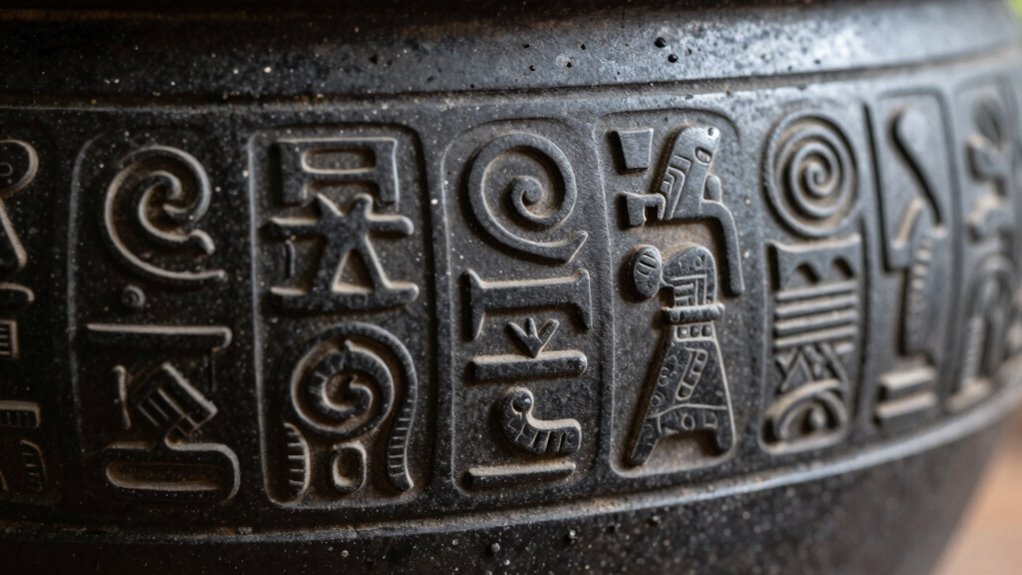
One common mistake to avoid is misusing symbols without understanding their true meanings or cultural significance. Relying on surface-level interpretations can lead to symbol misinterpretations that distort their intent. Be cautious of design overuse; overloading your work with symbols can dilute their impact and cause confusion. Avoid applying symbols without researching their origins, as this can result in unintended offense or miscommunication. Additionally, don’t ignore the context in which these symbols are used, since meaning can shift dramatically. Misuse often stems from neglecting these factors, leading to misunderstandings. Remember, these symbols carry deeper significance beyond their visual appeal—treat them with respect and care to communicate effectively.
Frequently Asked Questions
Are These Symbols Always Related to Ancient Egyptian Hieroglyphs?
No, these symbols aren’t always related to ancient Egyptian hieroglyphs. You should know that using symbols that resemble hieroglyphs can sometimes lead to cultural appropriation, especially if used without understanding their cultural significance. It’s important to prioritize historical accuracy and respect when incorporating such symbols into your work or fashion. Recognizing their true origins helps you avoid misrepresentation and honors the rich history behind these symbols.
Can These Symbols Be Legally Copyrighted or Trademarked?
These symbols, like treasures in a chest, can be legally copyrighted or trademarked if they serve as unique identifiers for products or services. You hold the key to their intellectual property rights by securing legal protections. However, if the symbols are generic or widely used, they might not qualify for copyright or trademark protection. Always check with legal experts to guarantee your symbols are safeguarded and avoid infringing on others’ rights.
How Do Designers Ensure Cultural Sensitivity When Using These Symbols?
You guarantee cultural sensitivity by researching the symbols’ cultural interpretation thoroughly and consulting with members of the relevant community. This approach helps maintain design authenticity and prevents misappropriation. You should avoid stereotypes and respect traditional meanings, adapting symbols thoughtfully. By engaging with cultural experts and being mindful of context, you create designs that honor their significance while preserving authenticity. This way, your work respects cultural heritage and fosters genuine appreciation.
Are There Any Specific Tools to Create Authentic Hieroglyphic-Inspired Designs?
You can’t just wing it with hieroglyphic-inspired designs; you need the right tools to make them authentic! Digital design software like Adobe Illustrator or Photoshop offers incredible features for creating detailed hieroglyphic-inspired art. For font creation, tools like Glyphs or FontForge help you craft custom, culturally respectful fonts. These tools guarantee your designs are precise, genuine, and culturally sensitive, turning your ideas into stunning, authentic hieroglyphic-inspired masterpieces.
What Are the Psychological Effects of Using Hieroglyphic-Like Symbols in Branding?
Using hieroglyphic-like symbols in branding creates a strong emotional impact by evoking a sense of mystery and timelessness. You might notice improved cognitive association, as these symbols can make your brand seem unique and memorable. They encourage curiosity and curiosity fosters engagement. When you incorporate such symbols thoughtfully, you build a deeper connection with your audience, making your brand stand out through powerful visual storytelling.
Conclusion
Next time you spot those hieroglyphic-style symbols, remember they’re more than just cool designs—they have rich cultural roots. Think of them as ancient emojis, conveying messages across time. Use them thoughtfully, like a modern archaeologist deciphering clues from the past. Whether in fashion or art, respecting their origins keeps history alive. So, embrace these symbols with curiosity, and avoid turning your design into a digital Cleopatra—authenticity matters.